You were arrested for DUI in Salt Lake City. Here's the exact court schedule you're facing, where to get your ignition interlock installed, and which carriers will file SR-22 for you.
Your First Court Date Happens Within 2 Weeks of Arrest
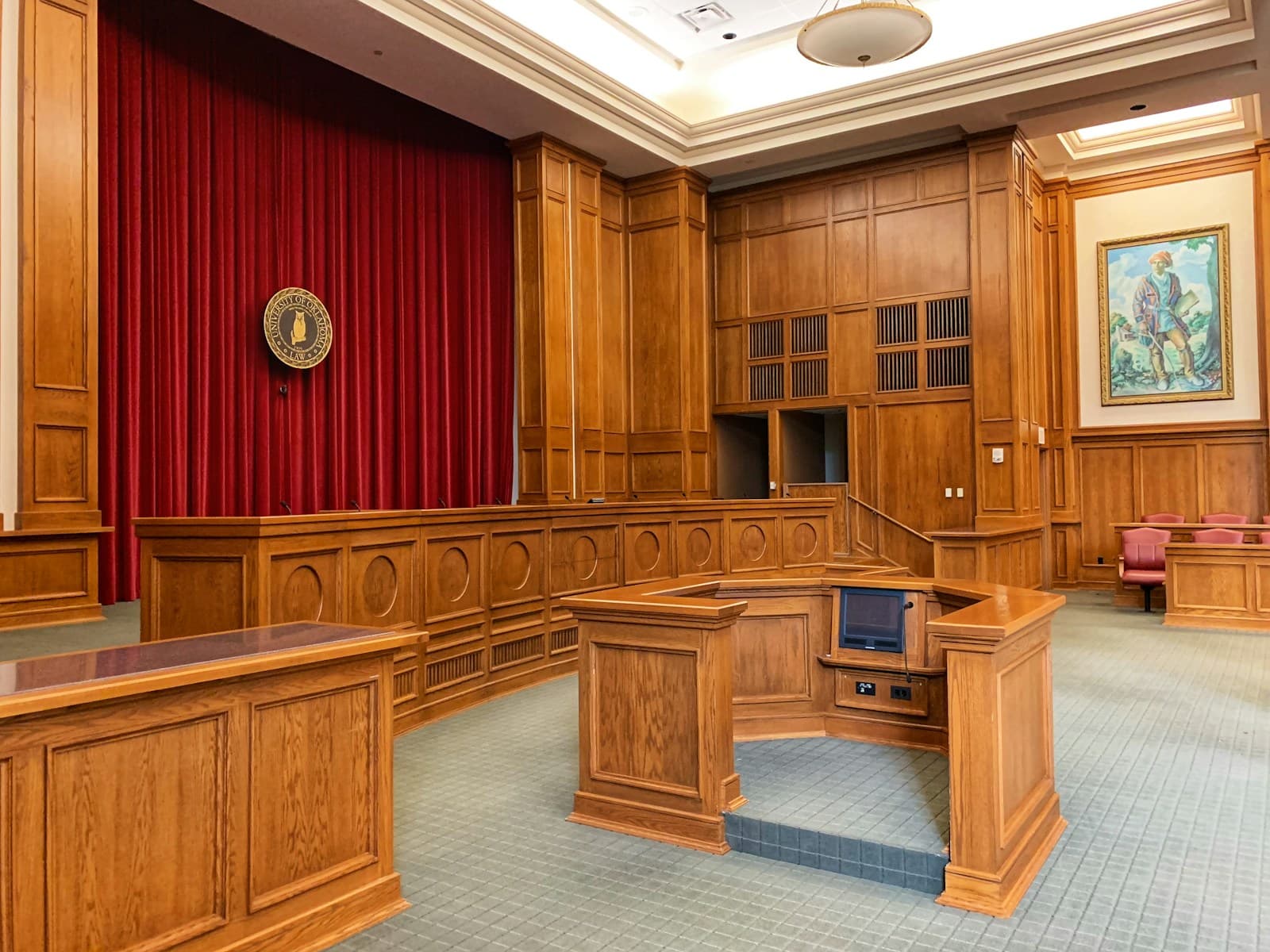
Salt Lake City DUI cases are prosecuted through Third District Court. Your initial appearance is scheduled 7–14 days after arrest, usually at the Matheson Courthouse at 450 South State Street. You receive a summons with the date and time — missing this appearance triggers a bench warrant.
At the initial appearance, the judge reads formal charges, sets bail conditions if you're still in custody, and schedules your pretrial conference. Most first-offense DUI defendants are released on their own recognizance with driving restrictions. If your BAC was .16 or higher, you tested positive for drugs, or a minor was in the vehicle, expect stricter bail terms and possible ignition interlock as a condition of pretrial release.
Pretrial conferences happen 4–8 weeks after initial appearance. Your attorney negotiates with the prosecutor here — plea bargain discussions, evidence review, and potential sentencing recommendations. If you refuse a plea, the case moves to trial. Trial dates in Salt Lake City are typically set 3–6 months out from the pretrial conference. Most first-offense DUI cases resolve at pretrial.
Driver License Division Administrative Hearing Runs Parallel to Criminal Court
Utah separates DUI license suspension into two tracks: criminal court penalties and Driver License Division administrative action. The DLD suspends your license independently of your criminal case outcome. You have 10 calendar days from arrest to request an administrative hearing — miss that window and your license suspends automatically 30 days after arrest.
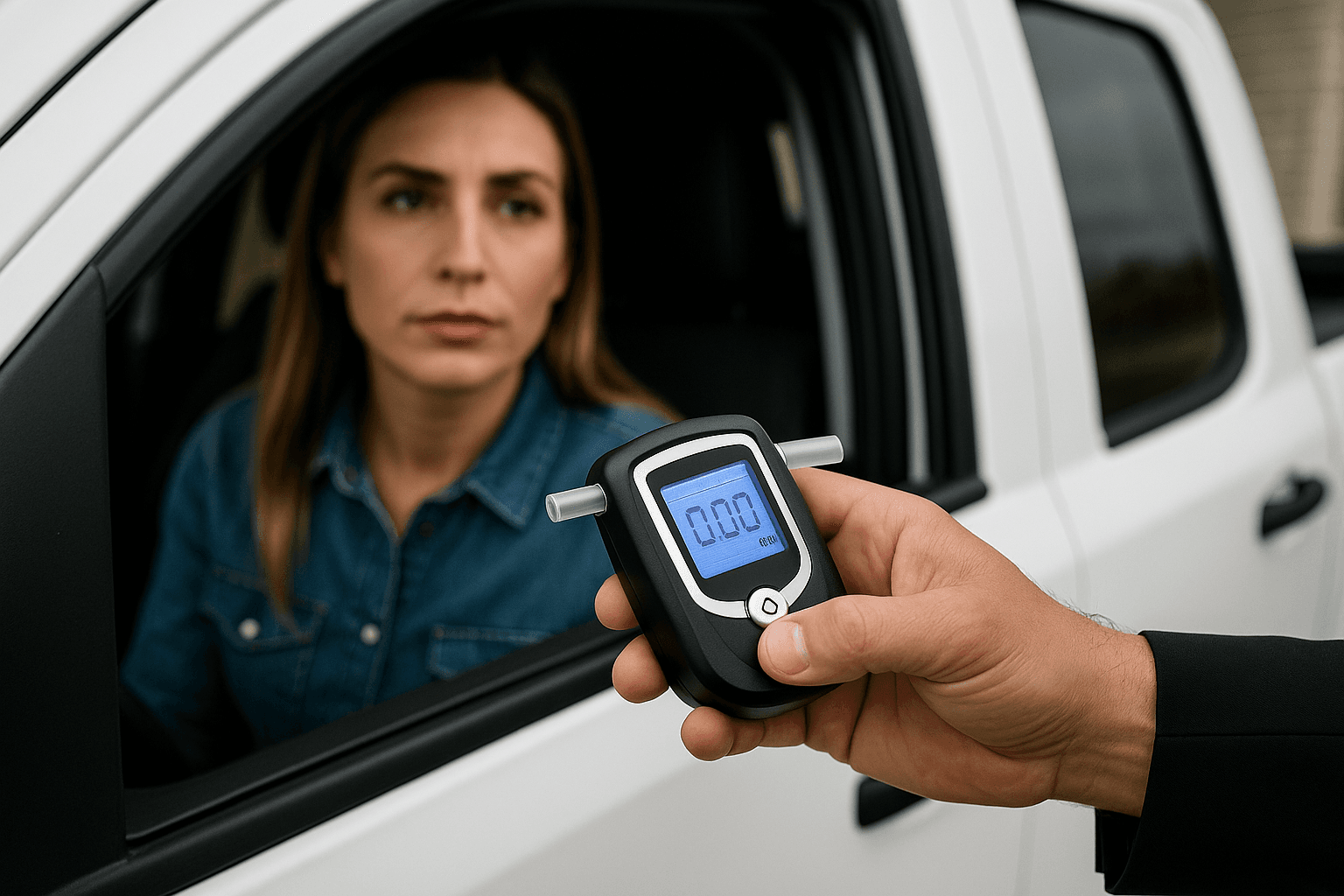
The hearing happens by phone or in person at the DLD office at 380 West 2880 South in Salt Lake City. The hearing officer reviews arrest procedure, breathalyzer calibration records, and probable cause. First-offense DUI with BAC .08–.15 triggers a 120-day suspension. BAC .16 or higher extends that to 18 months. Refusal to submit to chemical testing results in an automatic 18-month suspension regardless of conviction outcome.
If you lose the hearing or didn't request one, your suspension begins immediately. You can apply for a 60-day restricted license after 30 days of suspension on a first offense, but only if you install an ignition interlock device first and file SR-22. The DLD does not notify criminal court of hearing outcomes — you manage both timelines separately.
Find out exactly how long SR-22 is required in your state
Ignition Interlock Installation Required Before Reinstatement
Utah mandates ignition interlock for all DUI convictions, even first offense. Installation must happen before the DLD issues a restricted or reinstated license. The device stays installed for 18 months minimum on a first offense if BAC was under .16, or 36 months if BAC was .16 or higher, you refused testing, or this is a repeat offense.
Approved IID providers in Salt Lake City include Intoxalock (multiple locations including 4764 South 900 East), Smart Start (1675 West 2200 South), and LifeSafer (1142 East 3300 South). Installation costs $75–$150, monthly lease and monitoring runs $60–$90, and removal fees are $50–$75. Most providers require a credit card on file for monthly billing — cash-only drivers face difficulty meeting this requirement.
You schedule installation after your DLD hearing results or conviction, whichever establishes your restricted license eligibility. The installer submits a Certificate of Installation directly to the DLD. Without that certificate, the DLD will not process your restricted license application. Budget 3–7 business days from installation to DLD certificate processing. Some Salt Lake City drivers try to drive during this gap — that triggers a new violation and restarts your suspension clock.
SR-22 Filing Must Be Active Before License Reinstatement
Utah requires SR-22 filing for 3 years after DUI conviction, starting from the date the DLD reinstates your license — not your conviction date, not your arrest date. If you delay reinstatement by 6 months, your 3-year SR-22 clock doesn't start until reinstatement happens. This catches most drivers off guard because they assume the clock runs from conviction.
SR-22 is not insurance. It's a form your insurance carrier files with the DLD certifying you carry at least Utah's minimum liability coverage: $25,000 bodily injury per person, $65,000 bodily injury per accident, $15,000 property damage. The carrier charges a one-time filing fee of $25–$50. If your policy lapses even one day during the 3-year requirement, the carrier notifies the DLD and your license suspends immediately.
Most mainstream carriers — State Farm, Geico, Allstate, Progressive — will file SR-22 for existing customers but non-renew your policy at the end of your current term. New DUI-SR-22 policies in Salt Lake City typically require the non-standard market: Bristol West, Direct Auto, Dairyland, GAINSCO, and Acceptance all write high-risk policies in Utah. Monthly premiums for minimum liability with SR-22 post-DUI run $140–$220 in Salt Lake City depending on your age, vehicle, and whether this is a first or repeat offense.
Sentencing Adds Court-Ordered Requirements You Must Track Separately
First-offense DUI conviction in Utah triggers mandatory minimums: 2 days jail or 48 hours community service, $1,470 in fines and fees, 12-hour Prime for Life alcohol education course, and supervised probation for 6–12 months. Aggravated DUI (BAC .16+, minor in vehicle, injury or property damage) increases jail time to 120 days minimum and probation to 18 months.
The court issues a written sentencing order listing every requirement, the deadline for each, and the probation officer assigned to your case. Probation check-ins happen monthly by phone or in person — your officer verifies Prime for Life completion, IID compliance reports, community service hours logged, and SR-22 active status. Miss a single probation check-in and the court issues a bench warrant.
Prime for Life courses are offered through Southwest Behavioral Health (2121 South 1200 West) and Valley Behavioral Health (5965 South Fashion Boulevard in Murray). Cost is $170–$210 depending on provider. You must complete the course within 90 days of sentencing. The provider sends a Certificate of Completion to the court — you also need to carry a copy to your next probation check-in. Some Salt Lake City drivers assume completing Prime for Life satisfies their DLD requirements — it doesn't. The DLD and the court operate on separate compliance tracks.
Timeline Gaps Create Reinstatement Delays Most Drivers Don't Anticipate
Utah's DUI compliance process involves four agencies that don't coordinate: Third District Court (criminal case), Driver License Division (administrative suspension), ignition interlock provider (device certification), and your insurance carrier (SR-22 filing). Each operates on its own timeline. Your conviction might happen in March, but if you don't request a DLD hearing until April, don't install IID until May, and don't secure SR-22 until June, your actual reinstatement can't happen until all four align.
Most Salt Lake City drivers lose 60–120 additional days of driving eligibility because they sequence these steps incorrectly. The optimal path: request your DLD hearing within 10 days of arrest, schedule IID installation the week after your hearing or conviction (whichever comes first), secure SR-22 from a non-standard carrier before your mainstream policy non-renews, and submit your restricted license application to the DLD the same day your IID certificate processes.
If your job requires driving, apply for a work-restricted license immediately after suspension begins. Utah allows restricted licenses after 30 days on a first offense, but only with IID installed and SR-22 active. The application fee is $45, and approval takes 5–10 business days. Without a restricted license, any driving during suspension — even to work, even in an emergency — triggers a new class B misdemeanor and extends your suspension by 90 days.