You received a DUI in Minneapolis. Here's the actual timeline for court, ignition interlock installation, SR-22 filing, and getting your license reinstated — with specific providers and costs.
What Happens in the First 30 Days After Your Minneapolis DUI Arrest
You have two parallel timelines running immediately after your DUI arrest in Minneapolis: criminal court and civil license action through the Minnesota Department of Public Safety (DPS). Your criminal arraignment typically occurs within 2–4 weeks in Hennepin County District Court. Your driver's license faces administrative suspension through DPS within 7–30 days depending on whether you refused chemical testing or failed the breath test.
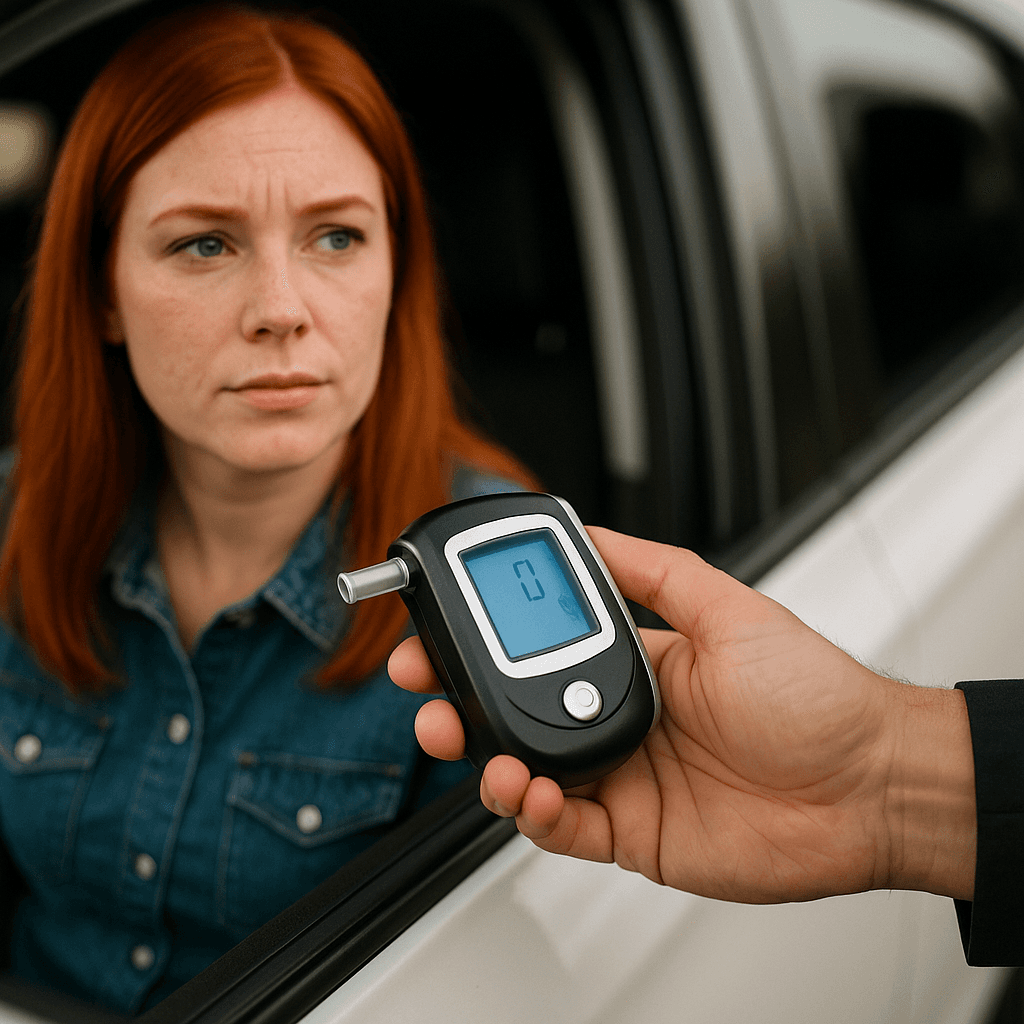
If you refused testing, you face a minimum one-year license revocation with no possibility of work permit for the first 90 days. If you submitted to testing and failed (0.08% BAC or higher for standard DUI, 0.04% for commercial drivers), you face a 90-day revocation for a first offense. These timelines start from the date of your failed test or refusal, not from your court conviction.
You can request an administrative hearing to challenge the civil revocation within 30 days of your arrest. This hearing is separate from your criminal case. Missing this 30-day window means the revocation stands automatically. Most DUI defendants in Hennepin County do not win administrative hearings, but the process can delay the revocation start date by 60–90 days while the hearing is scheduled and decided.
Minneapolis-Area DUI Court Process and Sentencing Timeline
First-offense DUI cases in Hennepin County typically take 3–6 months from arraignment to sentencing if you plead guilty. If you go to trial, expect 6–12 months. The Hennepin County Attorney's Office prosecutes all Minneapolis DUI cases. Your criminal charges appear as either Driving While Impaired (DWI) under Minnesota Statute 169A.20 or Driving Under the Influence of Alcohol (DUI) — the terms are legally interchangeable in Minnesota.
Standard first-offense DUI sentencing in Minneapolis includes: $1,000–$3,000 in fines and court fees, mandatory DUI education through a state-approved provider (typically $300–$600 for the course), possible jail time of up to 90 days (usually stayed), and probation lasting 1–2 years. If your BAC was 0.16% or higher (aggravated DUI), you face mandatory ignition interlock device (IID) installation for at least one year as a condition of license reinstatement.
Your judge issues the sentencing order that determines your SR-22 filing requirement. Minnesota does not automatically require SR-22 for all DUI convictions — your SR-22 obligation appears in your sentencing conditions or as part of your license reinstatement requirements from DPS. Most first-offense DUI convictions in Hennepin County result in SR-22 filing required for 1–3 years, measured from your reinstatement date.
Find out exactly how long SR-22 is required in your state
Ignition Interlock Device Providers and Installation Costs in Minneapolis
Minnesota requires ignition interlock (IID) for all aggravated DUI convictions (BAC 0.16% or higher) and for second or subsequent DUI offenses within 10 years. If your conviction requires IID, you must have it installed before DPS will reinstate your license. You cannot drive legally without it, even with SR-22 insurance filed.
Minneapolis-area approved IID providers include Intoxalock (locations in Bloomington and Coon Rapids), Smart Start (locations in Brooklyn Park and Burnsville), and LifeSafer (location in Plymouth). Installation costs range from $70–$150. Monthly monitoring and calibration fees run $70–$100 per month. You are responsible for bringing your vehicle to the provider for calibration every 30–60 days. Minnesota law requires the device on every vehicle you own or regularly operate.
Your IID period runs concurrently with your SR-22 filing period in most cases, but the IID obligation often ends before your SR-22 requirement does. If you are required to carry IID for one year and SR-22 for three years, you will still need SR-22 insurance for two years after the IID is removed. Violating your IID requirement — failed breath test, tamper detection, skipped calibration — extends your IID period and can trigger new criminal charges.
SR-22 Filing Requirements and Carrier Options After a Minneapolis DUI
Minnesota requires SR-22 filing as proof of financial responsibility after most DUI convictions. The SR-22 is not insurance — it is a certificate your insurance carrier files electronically with the Minnesota Department of Public Safety confirming you carry at least state minimum liability coverage: $30,000 bodily injury per person, $60,000 bodily injury per accident, and $10,000 property damage (written as 30/60/10).
Your SR-22 filing period starts on your license reinstatement date, not your conviction date. This is where most Minneapolis DUI drivers miscalculate. If you are convicted in March but your license is not reinstated until August, your SR-22 filing period begins in August. A three-year SR-22 requirement means you must maintain continuous SR-22 coverage until August three years later. Dropping coverage even one day before that date resets your filing requirement to zero and triggers a new license suspension.
Most major carriers — State Farm, Geico, Allstate, Progressive — will file SR-22 for existing customers after a DUI but typically non-renew your policy at the end of the term (usually six months). New SR-22 policies after a DUI generally require non-standard carriers available in Minnesota: Dairyland, Progressive (non-standard division), The General, Direct Auto, Bristol West, and National General. Monthly SR-22 premiums for Minneapolis drivers with a DUI conviction range from $180–$350/mo depending on age, vehicle, and conviction class. Estimates based on available industry data; individual rates vary by driving history, vehicle, coverage selections, and location.
License Reinstatement Process and Timeline in Minnesota
You cannot apply for license reinstatement until your revocation period ends. For a standard first-offense DUI in Minneapolis with no aggravating factors, that is 90 days from your failed test date. For aggravated DUI or second offense, it is one year. For refusal cases, it is one year minimum with no hardship license allowed for the first 90 days.
Once your revocation period ends, you must complete the following before DPS will reinstate: pay the $680 reinstatement fee, complete court-ordered DUI education, install ignition interlock if required, and file SR-22 proof of insurance. You submit reinstatement applications through the Minnesota DPS Driver and Vehicle Services office or online through mn.gov/dps. Processing takes 7–14 business days after all requirements are submitted.
If you need to drive for work during your revocation, Minnesota offers a limited license (also called a work permit or B-card) for eligible drivers. You can apply after serving the first 15 days of your revocation for first-offense standard DUI, or after 90 days for aggravated or refusal cases. The limited license allows driving only to and from work, DUI education classes, and IID calibration appointments. You must carry SR-22 insurance and install IID even for the limited license. Application fee is $680, the same as full reinstatement.
Total Cost Breakdown for a First-Offense DUI in Minneapolis
A first-offense DUI conviction in Hennepin County costs $8,000–$15,000 total when all fines, fees, insurance increases, and compliance costs are included. Court fines and fees: $1,000–$3,000. DUI education program: $300–$600. License reinstatement fee: $680. SR-22 insurance premium increase over three years: $4,000–$8,000 (compared to pre-DUI rates). Attorney fees if you hire private counsel: $2,500–$7,000.
If your conviction includes ignition interlock, add $1,500–$2,000 for installation and one year of monitoring. If you need a limited license during revocation, add the $680 application fee (which does not reduce your later reinstatement fee — you pay both). These figures assume no jail time, no accident-related civil liability, and no additional violations during your probation period.
Your auto insurance rates will remain elevated for 3–5 years after your DUI conviction even after your SR-22 filing period ends. Minnesota insurers treat DUI as a major violation and typically apply a 70–130% rate surcharge that decreases gradually over time as the conviction ages off your driving record.