Colorado requires ignition interlock installation before SR-22 filing starts counting. Most Denver DUI defendants miscalculate their reinstatement timeline because they don't sequence IID certification, SR-22 filing, and DMV hearings correctly.
Your first 30 days: DMV hearing deadline and license suspension start
You have 7 calendar days from your DUI arrest to request a DMV hearing if you want to contest the automatic administrative license suspension. Miss that window and your license suspends automatically on day 30 — no hearing, no appeal. Colorado separates criminal court proceedings from DMV administrative penalties, which means you're managing two parallel timelines that don't wait for each other.
The DMV hearing determines only whether your license suspends for refusal or per se BAC violations. It does not address criminal DUI charges, which move through Denver County Court on a separate track. First-offense standard DUI (.08–.149 BAC, no aggravating factors) triggers a 9-month administrative suspension. First-offense with BAC .15 or higher, refusal, or injury escalates to 12 months. Repeat offenses within 5 years trigger 24-month suspensions.
If you requested the hearing within 7 days, the DMV typically schedules it 45–60 days out. During that window, your license remains valid unless you're also facing criminal court restrictions. Winning the DMV hearing is rare — the burden of proof is lower than criminal court, and the hearing officer needs only to confirm the officer had probable cause and followed protocol. Most Denver DUI defendants lose the DMV hearing and begin serving the suspension period while criminal proceedings continue.
Criminal court: arraignment, plea negotiation, and IID sentencing requirements
Your arraignment happens 2–4 weeks after arrest in most Denver County Court DUI cases. You'll receive formal charges, enter a plea, and set a trial date if you plead not guilty. Even first-offense standard DUI in Colorado now carries mandatory ignition interlock installation as part of sentencing — this changed in 2022 when Colorado eliminated the prior exemption for first-time offenders with BAC under .15.
Plea negotiations typically happen 60–120 days post-arrest, depending on case complexity and BAC test disputes. Denver prosecutors rarely drop DUI charges entirely but may reduce aggravating factors or recommend minimum sentencing if you have no prior record and BAC was under .15. Most first-offense cases resolve via plea agreement rather than trial to avoid the 5-day minimum jail sentence Colorado mandates for DUI convictions after trial.
Sentencing locks in your IID period: 8 months minimum for first-offense standard DUI, 24 months for first-offense with BAC .15+, 24 months minimum for second offense within 5 years, 36 months for third offense. The court order specifies your IID start date, which is usually your license reinstatement date. Your SR-22 filing period runs concurrent with IID — not before, not after — which means the ignition interlock installation date controls when your SR-22 clock starts.
Find out exactly how long SR-22 is required in your state
IID installation: approved providers in Denver and certification timeline
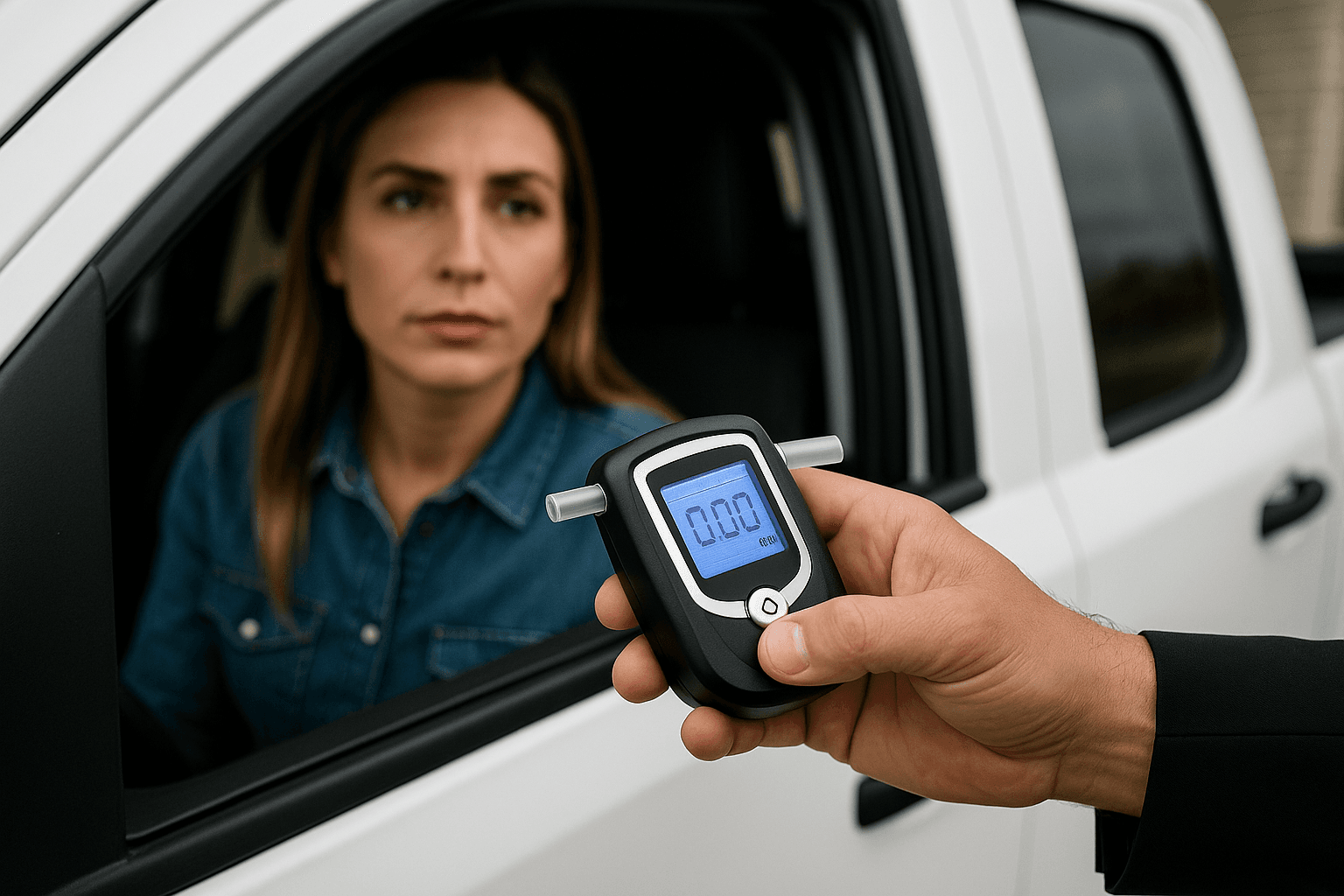
Colorado maintains a state-approved vendor list for ignition interlock devices. Denver-area providers include Smart Start (multiple metro locations), Intoxalock (Aurora and Lakewood service centers), LifeSafer (Denver and Thornton), and Guardian Interlock (Englewood). Installation cost runs $70–$150, with monthly monitoring fees of $60–$90 and calibration appointments every 30–60 days at $50–$75 per visit.
You must install IID before applying for reinstatement, and the provider submits certification to the Colorado DMV electronically. That certification triggers the start of your monitored IID period. If your court order requires 8 months of IID and you delay installation by 3 months, you're still on the hook for 8 months starting from installation — not from sentencing. This is where most Denver DUI defendants lose time: they pay for SR-22 insurance during the delay period, assuming it counts toward their requirement, but Colorado doesn't start the SR-22 filing clock until IID certification hits the DMV system.
IID violations — failed start attempts, missed calibration appointments, tampering — extend your requirement. Three failed starts in a rolling 4-month window adds 6 months to your IID period in Colorado, and your SR-22 filing period extends in parallel. Choose your IID provider based on service location density, not just upfront cost, because you'll need calibration access every 30–60 days for the full term.
SR-22 insurance: which carriers write DUI policies in Colorado and what it costs
Most mainstream carriers — State Farm, Geico, Allstate, Progressive — will file SR-22 for existing customers but non-renew your policy at the next term after a DUI conviction. New SR-22 policies post-DUI typically require the non-standard market. Carriers actively writing DUI-SR-22 business in Colorado include Dairyland, Bristol West, The General, GAINSCO, Direct Auto, National General, and Acceptance Insurance. Availability varies by Denver ZIP code and driving history beyond the DUI.
SR-22 filing itself costs $15–$50 depending on carrier, but the rate increase is the real expense. Colorado DUI convictions trigger 80–140% premium increases on average. A Denver driver paying $110/mo for liability coverage pre-DUI can expect $200–$265/mo post-DUI with SR-22, assuming no other violations and a standard first-offense conviction. BAC .15+, repeat offense, or accident involvement pushes rates higher. High-risk carriers quote SR-22 liability policies starting around $185/mo in Denver metro, climbing to $350+/mo for repeat offenders or drivers with stacked violations.
You need SR-22 on file before the DMV reinstates your license, and it must stay active for the full IID period — 8 months minimum for first-offense standard DUI, 24 months for aggravated or repeat offense. Let your SR-22 lapse even one day and Colorado resets your filing clock to zero. The DMV receives electronic cancellation notices from carriers within 24 hours, and your license re-suspends immediately. Continuous coverage without lapses is non-negotiable.
License reinstatement: sequencing IID certification, SR-22 filing, and DMV fees
Colorado requires four components before reinstating your license: completion of the administrative suspension period, IID installation and provider certification, active SR-22 insurance on file, and payment of reinstatement fees. The order matters. Install IID first, then obtain SR-22 coverage, then apply for reinstatement. Skip IID or delay certification, and the DMV rejects your reinstatement application even if SR-22 is active.
Reinstatement fees in Colorado: $95 reinstatement fee, $15 IID-restricted license fee, and any outstanding late fees or judgment holds from prior violations. Total typically runs $110–$150 for first-offense DUI with clean prior record. Payment methods: online via Colorado DMV portal, in person at Denver metro driver license offices (Alameda, Northglenn, Aurora), or by mail with 10–15 business day processing delay.
Your reinstated license carries an IID restriction code visible to law enforcement. You're prohibited from operating any vehicle not equipped with your certified IID. Driving a non-IID vehicle during your monitored period — even a work vehicle, rental car, or spouse's car — triggers a new violation, 12-month license revocation, and potential criminal charges for violating IID restrictions. Colorado does not issue work permits or hardship exemptions that waive the IID requirement for employment driving.
What happens if you violate IID or SR-22 requirements during your monitored period
IID violations extend your requirement, and SR-22 lapses reset your filing clock. Colorado's IID monitoring system flags failed start attempts (BAC .025 or higher), missed rolling retests while driving, skipped calibration appointments, and device tampering. Accumulate three failed starts in a 4-month window and the DMV adds 6 months to your IID period. Your SR-22 filing extends in parallel because the two periods run concurrent — they both end on the same date, so extending one extends both.
SR-22 lapse triggers immediate license re-suspension. The carrier notifies the DMV electronically within 24 hours of cancellation, non-renewal, or non-payment. Colorado does not offer a grace period. You'll receive a suspension notice by mail, but your driving privilege terminates the day the DMV receives the lapse notification. Reinstatement after SR-22 lapse requires filing a new SR-22 form, paying a new reinstatement fee, and starting your filing period over from day one. A lapse 7 months into an 8-month requirement resets you to month zero.
Moving out of state does not terminate your Colorado IID or SR-22 requirement. You must complete the full monitored period under Colorado DMV jurisdiction even if you establish residency elsewhere. Attempting to obtain a new license in another state while under Colorado IID restrictions triggers an interstate compact flag, and most states will refuse to issue until you clear the Colorado hold.
Total timeline and cost for first-offense DUI in Denver
Minimum timeline from arrest to full license reinstatement: 9–12 months for first-offense standard DUI, 24+ months for aggravated or repeat offense. The timeline extends if you delay IID installation, miss DMV deadlines, or accumulate IID violations during the monitored period. Most Denver DUI defendants add 2–4 months to the minimum because they don't sequence IID certification and SR-22 filing correctly.
Total cost breakdown for first-offense standard DUI in Denver metro: $800–$1,500 in court fines and fees, $400–$600 for DUI education classes (Level II Education and Therapy required in Colorado), $70–$150 IID installation plus $60–$90/mo monitoring for 8 months ($550–$870 total IID cost), $15–$50 SR-22 filing fee, $1,600–$2,120 in SR-22 insurance premium increases over 8 months (compared to pre-DUI rates), and $110–$150 in DMV reinstatement fees. Total first-year cost: $3,500–$5,300, excluding attorney fees if retained.
Repeat offenses or aggravated DUI (BAC .15+, injury, minor in vehicle) double or triple these costs due to extended IID periods, higher insurance rates in the non-standard market, and longer SR-22 filing requirements. Budget for the full term upfront — payment plan options exist for IID monitoring and SR-22 premiums, but missed payments trigger violations that extend your requirement and increase total cost.