You have 30 days from conviction to complete license reinstatement steps, get SR-22 coverage, and avoid an extended suspension. Here's the exact timeline.
Your Tennessee License Suspension Starts Immediately at Conviction
Tennessee suspends your license the day you are convicted of DUI, whether you plead guilty or are found guilty at trial. The suspension length is one year for a first offense, two years for a second offense within ten years, and three to ten years for a third or subsequent offense. Your physical license becomes invalid that day, even if the court doesn't collect it at sentencing.
You have exactly 30 days from your conviction date to request a restricted license hearing with the Tennessee Department of Safety and Homeland Security. Miss this window and you wait out the full suspension with no driving privileges. The restricted license—called an ignition interlock restricted license in Tennessee—requires SR-22 insurance to be in force before the hearing.
The SR-22 filing period runs concurrently with your suspension. If you are convicted on March 1 and don't file SR-22 until June 1, you've already used three months of your three-year filing requirement during suspension. Most drivers assume the SR-22 clock starts at reinstatement. It does not.
How to Get SR-22 Insurance Before Your Restricted License Hearing
You need an active SR-22 certificate filed with Tennessee before you attend your restricted license hearing. The hearing typically occurs 7 to 14 days after you request it, which gives you less than two weeks to secure coverage if you wait until day 29 to apply.
Most mainstream carriers—State Farm, Geico, Allstate, Progressive—will non-renew your policy at the end of the current term after a DUI conviction. Some will file SR-22 for existing customers through the remainder of the policy period, but count on shopping the non-standard market: Bristol West, Direct Auto, Dairyland, GAINSCO, The General, and Acceptance all write DUI policies in Tennessee. You can expect monthly premiums between $140 and $280 depending on conviction class, prior violations, and county.
The SR-22 filing itself costs $25 to $50 as a one-time fee paid to your insurer. The carrier files electronically with Tennessee, and you receive a copy for your records. The state does not accept self-filed SR-22 forms. Your insurance company must be licensed in Tennessee and must file on your behalf.
Find out exactly how long SR-22 is required in your state
What You Need to Complete Before Your Restricted License Hearing
Tennessee requires four items in place before you can be approved for an ignition interlock restricted license: proof of SR-22 insurance, proof of ignition interlock device installation, completion of a DUI education or treatment program, and payment of the $65 reinstatement fee.
The ignition interlock device must be installed by a state-approved vendor before your hearing. Installation costs $75 to $150, and monthly monitoring fees run $60 to $90. You provide the installer's certificate of installation at your hearing. If you do not own a vehicle, Tennessee still requires an interlock on any vehicle you operate, including employer-owned vehicles if you drive for work.
DUI school is a state-approved alcohol and drug safety program. First-offense conviction requires completion of the Prime for Life program or equivalent, typically 16 to 20 hours spread over multiple sessions. Cost is $200 to $350. Second or subsequent offenses trigger an assessment and possible treatment requirement before reinstatement. These programs take weeks to complete, so enrollment in the first 10 days after conviction keeps you on schedule for the restricted license.
How Tennessee's Restricted License Works and What It Covers
Tennessee's ignition interlock restricted license allows you to drive to work, school, court-ordered programs, medical appointments, and necessary household errands like grocery shopping. It does not permit recreational driving, visiting friends, or driving outside approved hours without prior approval from the Department of Safety.
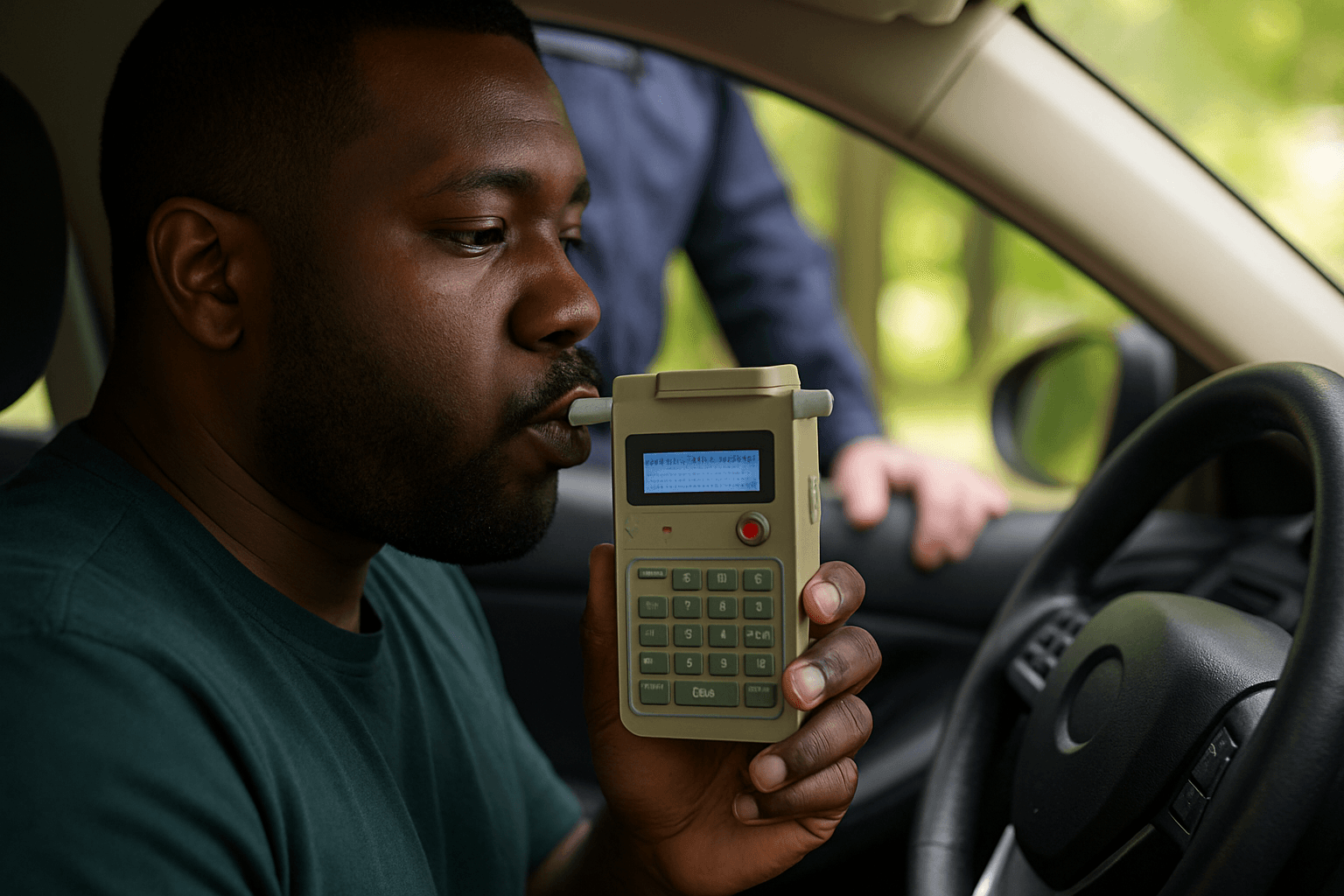
You must blow into the ignition interlock device before every engine start and at random rolling retests while driving. The device logs every start attempt, every test result, and every violation. A failed test, a missed rolling retest, or tampering triggers a violation report sent directly to the state. Three violations within your restricted period can revoke your restricted license and reset your suspension.
The restricted license period lasts for the remainder of your suspension. If you are suspended for one year and get your restricted license 45 days after conviction, you drive restricted for the remaining 320 days. Once the suspension ends and you have maintained SR-22 for the full three years from conviction, you can apply for full reinstatement.
What Happens If You Miss the 30-Day Restricted License Window
If you do not request a restricted license hearing within 30 days of conviction, Tennessee does not grant restricted driving privileges. You serve the full suspension without the ability to drive legally, even to work. The only exception is hardship reinstatement for commercial drivers under federal DOT authority, which follows separate federal rules and is rarely granted.
You can still file SR-22 after the 30-day window closes. In fact, you must file SR-22 and maintain it for three years from your conviction date to eventually reinstate your license. Filing late does not restart the three-year clock, but it does mean you are paying for SR-22 insurance during months when you cannot drive.
Once your suspension period ends, you attend a reinstatement hearing, provide proof of continuous SR-22 coverage from conviction forward, show completion of all DUI education or treatment, pay the reinstatement fee, and retake the written and road tests if required. Tennessee does not waive testing for DUI reinstatements.
How Long You'll Carry SR-22 and What Ends the Requirement
Tennessee requires three years of continuous SR-22 filing from the date of your DUI conviction for a first offense. Second and subsequent offenses also carry a three-year requirement, but the reinstatement process is longer and more restrictive. The SR-22 period does not pause during suspension. It runs from conviction day forward, whether you are driving restricted, suspended, or fully reinstated.
Any lapse in SR-22 coverage during the three-year period resets the requirement to zero. If you cancel your policy, miss a payment, or switch to a carrier that does not file SR-22, Tennessee receives electronic notice within 24 hours. Your license is suspended again immediately, and you start the three-year filing period over from the date you refile.
After three years of continuous coverage with no lapses, your insurer can cancel the SR-22 endorsement. You are not required to notify the state. Tennessee's system automatically clears the SR-22 requirement once the filing period has been satisfied. You can then shop for standard insurance, though your DUI conviction remains on your driving record for seven years and continues to affect your rates during that time.