Missouri DUI triggers two separate processes: criminal court and DMV administrative suspension. The DMV clock starts first, and most drivers miss the 15-day SR-22 filing window.
Missouri Runs Two Separate DUI Processes Simultaneously
Missouri processes DUI through two parallel tracks: the criminal court case and the DMV administrative suspension. The administrative suspension starts immediately after arrest, while the criminal case proceeds separately through the court system. Most drivers focus entirely on the court date and miss the DMV's 15-day petition window.
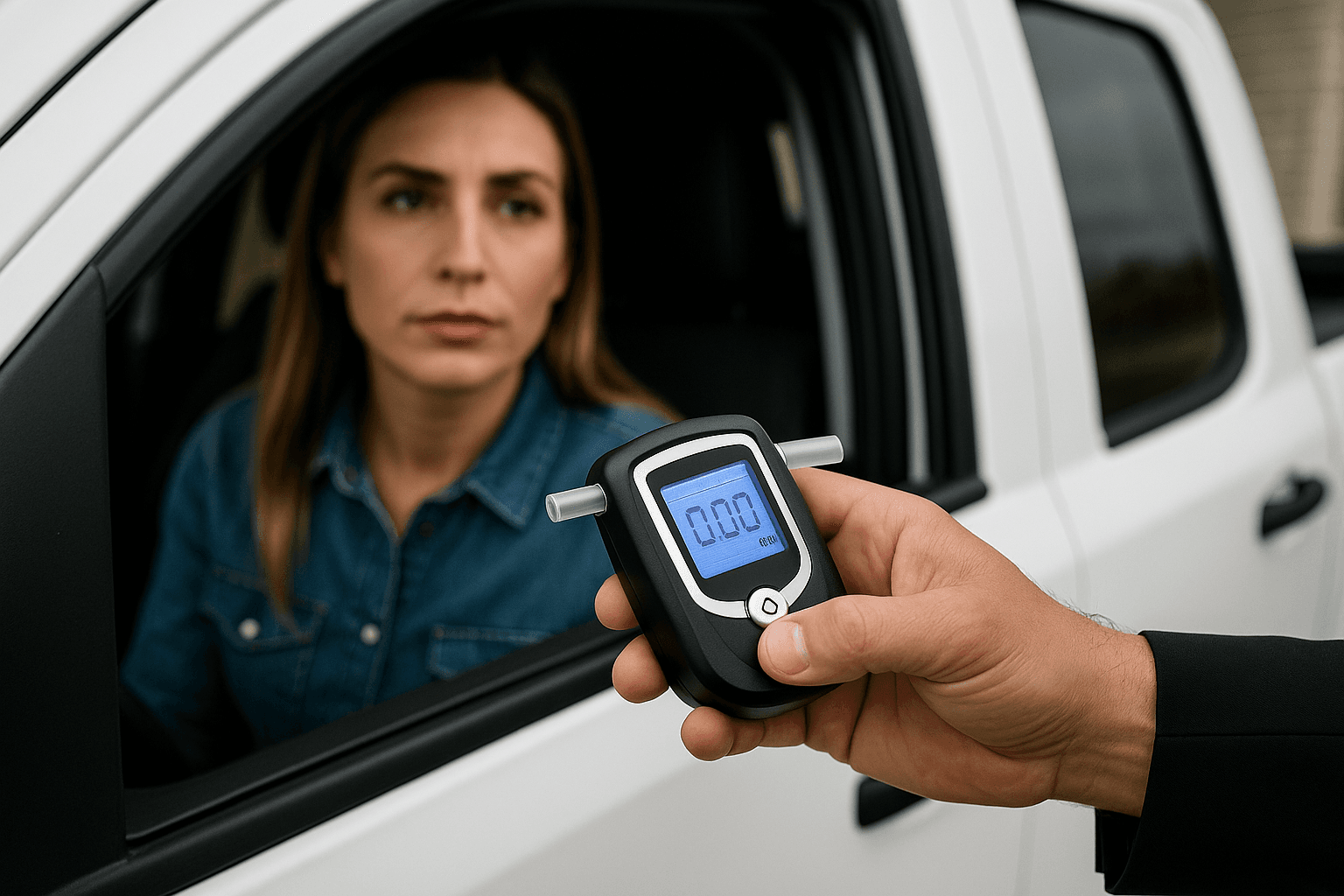
The administrative suspension begins on the arrest date for breath test failures (0.08% BAC or higher) or refusal to test. You receive a Notice of Suspension/Revocation at the time of arrest. This notice includes a 15-day temporary driving permit and instructions for requesting an administrative hearing. If you don't request a hearing within 15 days, the suspension becomes automatic on day 16.
The criminal DUI charge follows a separate timeline. Your court appearance typically occurs 4-6 weeks after arrest. A first-offense DUI conviction adds additional suspension time on top of any administrative penalty already served. The SR-22 filing requirement comes from the DMV administrative process, not the court — which means it starts before you ever see a judge.
Days 1-15: Request the Administrative Hearing or Accept the Automatic Suspension
You have exactly 15 days from your arrest date to request an administrative hearing with the Missouri Department of Revenue. This hearing contests the administrative suspension only, not the criminal DUI charge. The request must be submitted in writing to the Driver License Bureau with a $100 filing fee. Missing this deadline triggers automatic suspension starting day 16.
First-offense administrative suspensions run 90 days for breath test failure, 1 year for refusal to test. A hearing request delays the suspension start date until after the hearing decision. If you lose the hearing or don't request one, the suspension begins and you must file SR-22 to reinstate your license when the suspension period ends.
Most drivers skip the hearing because the evidence threshold is low: the arresting officer only needs to show reasonable grounds for the stop and that you tested over 0.08% or refused testing. If you have a strong procedural defense, the hearing preserves your license during the review period. If not, accepting the suspension and moving directly to SR-22 filing is often faster.
Find out exactly how long SR-22 is required in your state
Your Insurance Carrier Will Non-Renew After DUI Notification
Missouri requires insurers to report DUI convictions to the state, but you should assume your current carrier learns about the arrest within 30 days through internal monitoring or when you request SR-22 filing. State Farm, Geico, Allstate, and Progressive will file SR-22 for existing customers after a DUI, but they typically non-renew your policy at the end of the current term.
You receive 30-45 days' notice before non-renewal. This gives you time to shop the non-standard market before your coverage lapses. Letting coverage lapse while SR-22 is required extends your filing period — Missouri restarts the 2-year SR-22 clock from the date you refile after any lapse.
Non-standard carriers that write Missouri DUI-SR-22 policies include The General, Direct Auto, Dairyland, Bristol West, and Acceptance. Expect rates 70-140% higher than your pre-DUI premium. Monthly payment plans are standard in the non-standard market, but they often include installment fees that add 10-15% to the annual cost.
SR-22 Filing Must Be Continuous for 2 Years From Reinstatement Date
Missouri requires 2 years of continuous SR-22 filing after license reinstatement for DUI convictions. The filing period starts the day your license is reinstated following suspension, not the conviction date or arrest date. If you allow your insurance policy to cancel or lapse during the 2-year period, the state suspends your license again and resets the SR-22 clock to zero.
The SR-22 certificate itself costs $15-50 depending on the carrier. It's filed electronically by your insurance company directly with the Missouri DOR. You cannot file it yourself. The certificate verifies you carry at least Missouri's minimum liability coverage: 25/50/25 ($25,000 bodily injury per person, $50,000 per accident, $25,000 property damage).
Carriers monitor SR-22 policies closely. If you miss a payment and your policy cancels, the carrier notifies the state within 10 days. The state suspends your license immediately. Reinstatement after an SR-22 lapse requires refiling SR-22, paying a $200 reinstatement fee, and restarting the full 2-year filing period from the new reinstatement date.
Ignition Interlock May Be Required or Optional Depending on Conviction Class
Missouri requires ignition interlock devices (IID) for all repeat DUI offenses and for first-offense convictions with BAC 0.15% or higher. First-offense standard DUI (BAC 0.08-0.149%) does not require IID, but installing one voluntarily qualifies you for a restricted driving privilege during your suspension period.
The restricted license allows you to drive to work, school, medical appointments, court-ordered programs, and alcohol treatment. You must petition the court for the restricted privilege and provide proof of IID installation and SR-22 filing. The restricted license costs $45 and requires continuous IID use for the duration of your suspension.
IID installation costs $75-150, with monthly monitoring fees of $60-90. The device requires you to provide a breath sample before starting the vehicle and at random intervals while driving. Failed tests or tampering extend your IID requirement and may trigger additional license suspension. Most drivers on restricted licenses use IID for 90 days to 1 year depending on suspension length.
License Reinstatement Requires Proof of SR-22 and Completion of All Court Requirements
Missouri reinstatement after DUI requires: completion of your suspension period, proof of SR-22 filing, payment of a $200 reinstatement fee, completion of the Substance Abuse Traffic Offender Program (SATOP), and proof of insurance. SATOP is a state-required DUI education program that costs $200-400 and takes 10-12 weeks to complete.
You cannot reinstate your license until SATOP is complete. The program includes screening, education classes, and a final evaluation. If the evaluation identifies substance use risk, the court may order additional treatment before reinstatement. Missouri does not allow early reinstatement for first-offense DUI — you must serve the full suspension period.
The reinstatement application is submitted to the Missouri Department of Revenue Driver License Bureau. Processing takes 7-10 business days after all requirements are met. You can verify your reinstatement eligibility online through the Missouri DOR driver record portal. Once reinstated, your 2-year SR-22 filing period begins, and any lapse in coverage during those 2 years resets the clock.
Budget for $3,500-$6,000 in First-Year DUI Costs Beyond Fines
Missouri DUI costs stack quickly. First-offense fines range $300-$1,000 depending on county and BAC level. Court costs add $200-500. SATOP costs $200-400. License reinstatement is $200. SR-22 filing is $15-50. If you use IID for a restricted license, add $1,000-$1,500 for installation and 6-12 months of monitoring.
Insurance rate increases are the largest long-term cost. A DUI typically raises your premium 70-140% in Missouri. If your pre-DUI rate was $100/month, expect $170-$240/month after reinstatement with SR-22. This increase persists for 3-5 years as the DUI remains on your driving record and visible to insurers.
Total first-year costs (including fines, SATOP, reinstatement, IID if applicable, and 12 months of increased insurance premiums) typically run $3,500-$6,000 for first-offense DUI. Repeat offenses, aggravated DUI (high BAC, injury, minor in vehicle), or refusal cases cost significantly more due to longer suspension periods, mandatory IID, and higher insurance surcharges.