Colorado gives you 7 days to request a DMV hearing after arrest, starts your SR-22 clock from reinstatement (not conviction), and requires proof of insurance before you get your license back. Miss one deadline and you add months to your filing requirement.
What happens to your license in the first 7 days after a Colorado DUI arrest
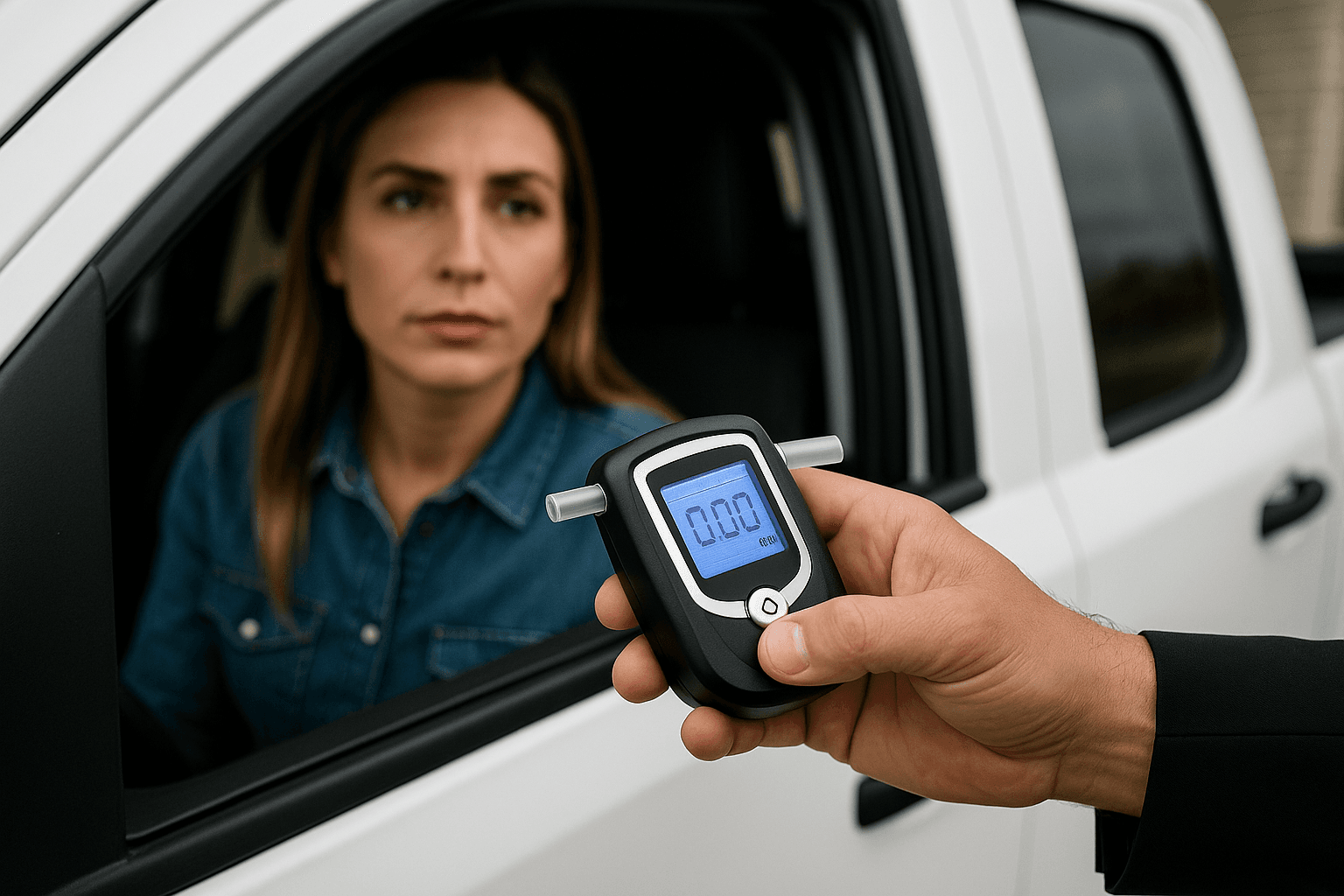
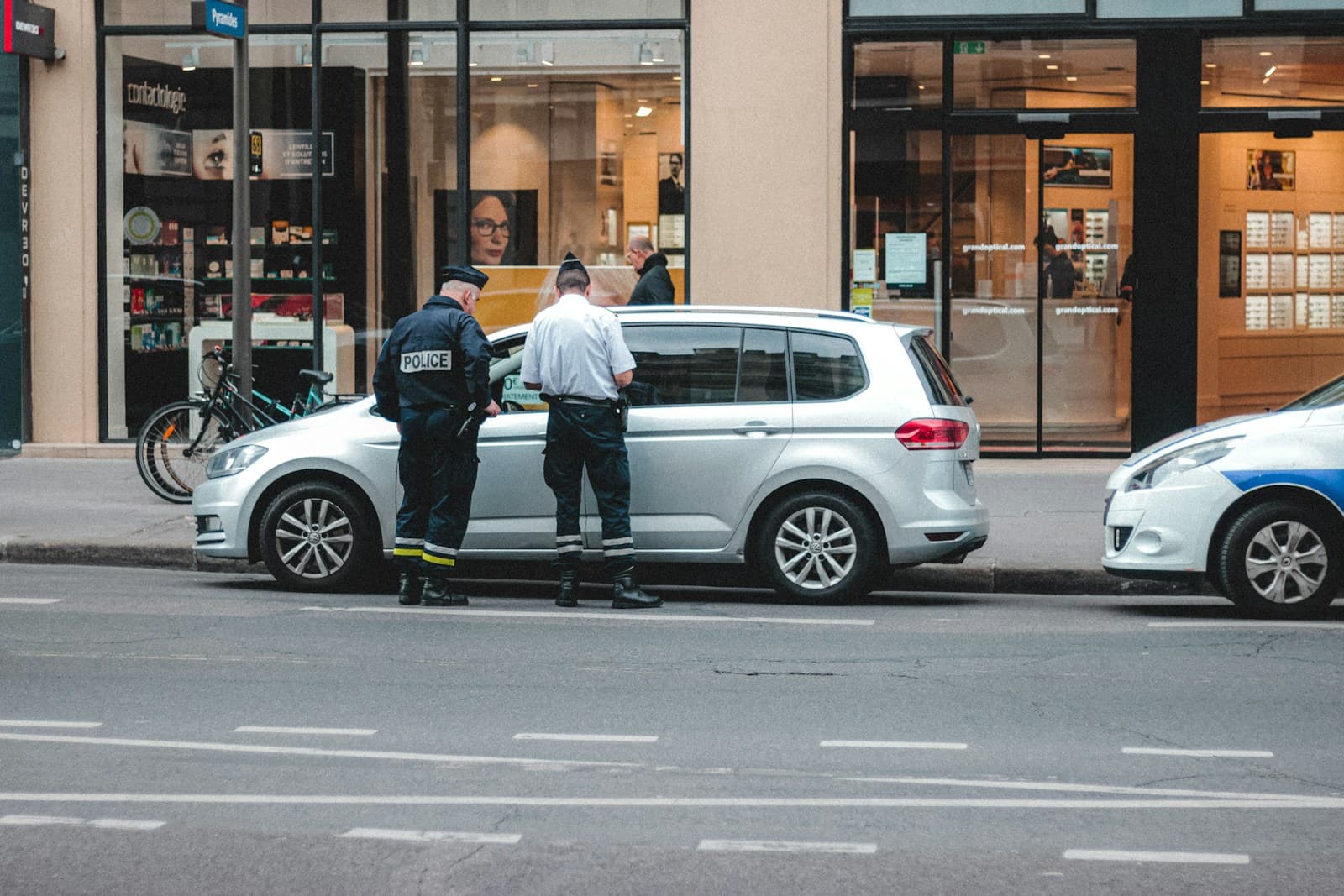
Colorado automatically suspends your driver's license 7 days after your DUI arrest unless you request a DMV hearing within that window. Your arresting officer confiscated your physical license at the scene and issued a temporary 7-day permit — that permit expires whether or not you've been to court yet.
You must request the hearing through Colorado's Division of Motor Vehicles Express Consent Unit by calling 303-205-5600 or submitting Form DR-2426 online within 7 calendar days of your arrest date. If you request the hearing on time, your license stays valid until the hearing officer issues a decision, which typically takes 45 to 90 days. If you miss the 7-day window, your license suspends automatically on day 8 and stays suspended until you complete reinstatement, which includes SR-22 filing.
The hearing and the criminal court case are separate proceedings. Winning your DMV hearing does not dismiss your criminal DUI charge, and pleading guilty in court does not automatically suspend your license if you already won your DMV hearing. Both processes run in parallel, and both can result in suspension independently.
How long your license stays suspended in Colorado after a DUI
Colorado suspends your license for 9 months on a first-offense DUI with a BAC between 0.08% and 0.149%, and for 12 months if your BAC was 0.15% or higher (aggravated DUI). If you refused the breath or blood test, Colorado imposes a 12-month suspension for a first refusal, 24 months for a second refusal, and 36 months for a third refusal.
You become eligible for early reinstatement after serving the first month of your suspension if you install an ignition interlock device and apply for reinstatement. Colorado requires proof of IID installation, proof of SR-22 insurance, payment of a $95 reinstatement fee, and completion of a Level II alcohol education program before the DMV will issue your restricted license. The IID stays on your vehicle for the remainder of your suspension period, plus an additional 8 months after full reinstatement for first-offense standard DUI or 24 months for aggravated DUI.
If you choose not to install an IID, you serve the full suspension with no driving privileges and must still file SR-22, pay the reinstatement fee, and complete alcohol education before getting your license back.
Find out exactly how long SR-22 is required in your state
When Colorado starts counting your SR-22 filing requirement
Colorado requires SR-22 filing for 3 years, but the clock starts on your reinstatement date, not your conviction date or arrest date. If you're convicted in March but don't reinstate your license until July, your SR-22 requirement runs from July through three years later. Every month you delay reinstatement adds a month to the end of your SR-22 period.
The DMV will not reinstate your license until your insurance carrier electronically files Form SR-22 with the state. You cannot pay the reinstatement fee, schedule your IID installation, or receive driving privileges until that filing is complete. Most non-standard carriers file SR-22 within 24 to 48 hours of binding your policy, but processing delays at the DMV can extend the timeline by another 3 to 5 business days.
If your SR-22 lapses at any point during the 3-year period — because you cancel your policy, miss a payment, or switch carriers without maintaining continuous coverage — Colorado suspends your license again and resets your SR-22 clock to zero. You start a new 3-year filing requirement from your next reinstatement date.
Which carriers will write you a DUI-SR-22 policy in Colorado
Most major carriers — State Farm, Geico, Allstate, Progressive — will file SR-22 for existing customers but typically non-renew your policy at the end of your current term. If you're a new customer calling after a DUI arrest, most mainstream carriers decline to quote or refer you to their non-standard subsidiaries.
Colorado DUI-SR-22 policies are written primarily through the non-standard market: Bristol West, Dairyland, GAINSCO, Acceptance Insurance, The General, and National General. These carriers specialize in high-risk drivers and file SR-22 as part of standard policy processing. Availability varies by county — some non-standard carriers do not write policies in Adams, Arapahoe, or Jefferson counties due to rate filing restrictions.
Typical monthly premiums for minimum-liability SR-22 coverage in Colorado after a first-offense DUI range from $145 to $260 per month, compared to $85 to $120 per month for a clean-record driver. Rates vary significantly based on your age, county, BAC level at arrest, prior violations, and whether you're filing SR-22 on an owned vehicle or as a non-owner policy. Estimates based on available industry data; individual rates vary by driving history, vehicle, coverage selections, and location.
What happens if you don't own a vehicle but need SR-22 in Colorado
Colorado allows you to satisfy SR-22 requirements with a non-owner SR-22 policy if you don't own a vehicle but need to reinstate your license. A non-owner policy provides liability coverage when you drive a borrowed or rental vehicle and meets the state's proof-of-insurance mandate without requiring you to insure a specific car.
Non-owner SR-22 premiums in Colorado typically run $45 to $95 per month for minimum state liability limits after a DUI, significantly lower than standard SR-22 policies because the carrier assumes lower exposure. You can convert a non-owner policy to a standard policy if you purchase a vehicle later, and your SR-22 filing transfers without interruption as long as you maintain continuous coverage with the same carrier.
If you later move into a household with a vehicle registered to someone else — a spouse, parent, or roommate — most carriers require you to either list yourself as an excluded driver on that vehicle's policy or convert your non-owner policy to a standard policy with that vehicle listed. Failing to disclose household vehicle access can void your SR-22 filing and trigger a license suspension.
What to do in the first 30 days after your Colorado DUI arrest
Request your DMV hearing within 7 days of arrest by calling the Express Consent Unit at 303-205-5600 or filing Form DR-2426 online. This preserves your driving privileges until your hearing, which buys you 60 to 90 days to prepare for SR-22 filing and arrange alternative transportation if needed.
Contact a non-standard insurance carrier or broker within the first 10 days to quote SR-22 coverage. Do not wait until the day before your suspension starts — most carriers need 48 hours to process SR-22 filings, and the DMV needs another 3 to 5 business days to update your record. Binding a policy early ensures you can reinstate immediately once your suspension begins, rather than adding weeks to your suspension while waiting for processing.
Schedule your IID installation appointment and Level II alcohol education enrollment before your 30-day mark. Colorado-approved IID providers include Intoxalock, LifeSafer, and Smart Start; installation costs $75 to $150, plus $75 to $100 per month for monitoring and calibration. Level II education programs run 24 hours over 12 weeks and cost $300 to $600 depending on provider. Completing both early means you're eligible for reinstatement the moment your mandatory suspension period ends.