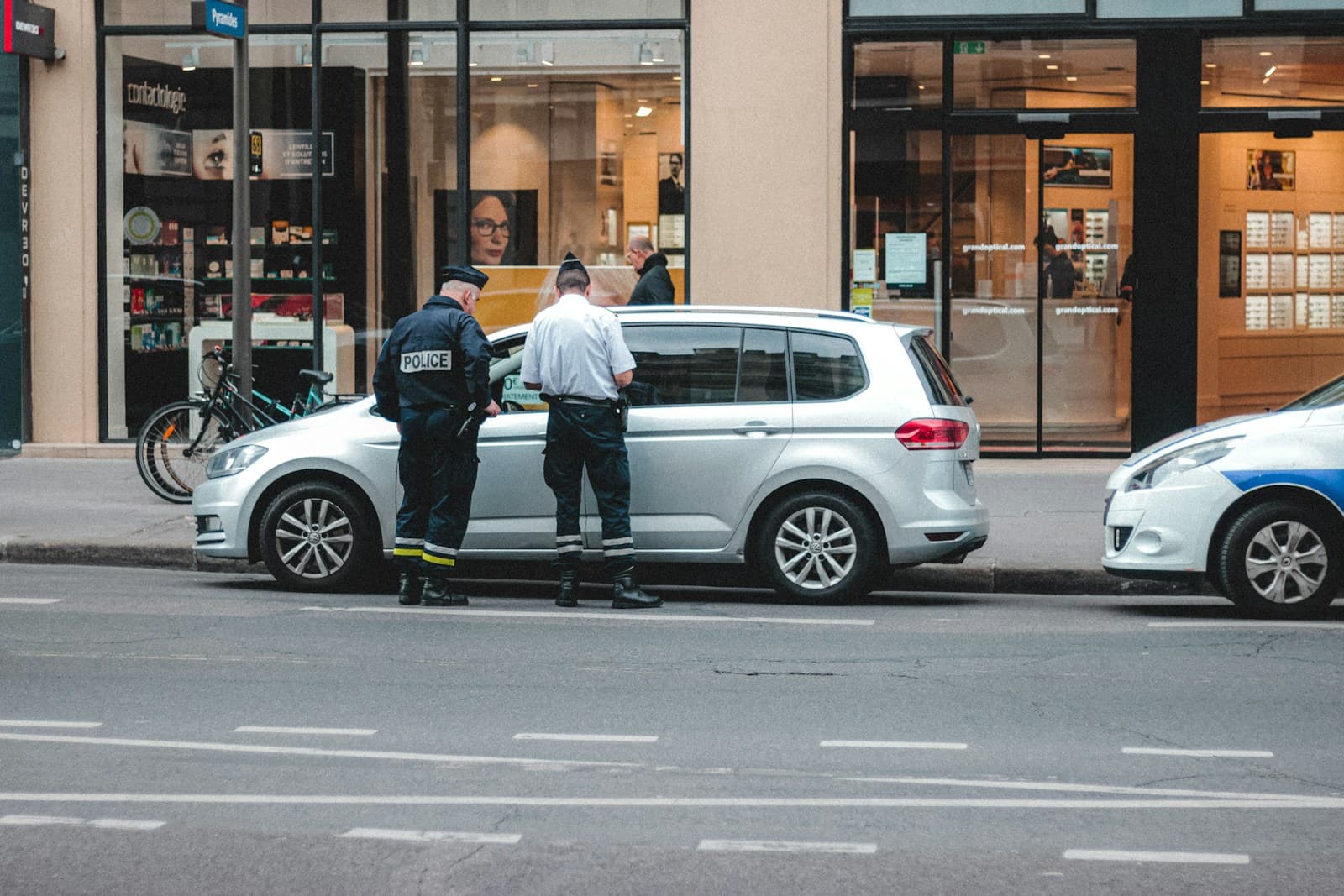
You were arrested for DUI in Washington. The clock is already running on multiple compliance deadlines, and missing any one of them extends how long you're without a license.
Identify Which Type of DUI Suspension You're Facing
Washington issues two separate license suspensions after a DUI arrest: an administrative suspension from the Department of Licensing (DOL) triggered by breath test results or refusal, and a criminal suspension imposed by the court after conviction. The administrative suspension hits first, typically within 60 days of arrest, and lasts 90 days for a first offense or one year for a refusal. The criminal suspension follows conviction and runs one year for a first DUI, two years for a second within seven years.
If you refused the breath test, your administrative suspension is 12 months and cannot be reduced. If you took the test and blew 0.08% or higher, you have exactly 20 days from your arrest date to request a DOL administrative hearing to contest the suspension. Miss that 20-day window and the suspension becomes automatic with no appeal option.
Most drivers serve both suspensions consecutively, not concurrently. Washington does not automatically stack them — your total time without driving privileges depends on how quickly you handle the criminal case and whether the court grants any restricted license options during the criminal suspension period.
Request Your DOL Administrative Hearing Within 20 Days
You have 20 calendar days from your arrest date to request an administrative hearing with the DOL. This is not the same as your criminal court date. The administrative hearing challenges the DOL's decision to suspend your license based on breath test results or refusal, and it happens separately from your criminal DUI case.
If you request the hearing within 20 days, your license stays valid until the hearing decision is issued, which typically takes 60 to 90 days. If you do not request the hearing, your license suspends automatically on day 60 after arrest. That's 40 days of driving you lose by not filing.
The hearing request must be submitted in writing to the DOL with a $375 filing fee. You can represent yourself, but most DUI attorneys include this filing as part of their service. Winning the administrative hearing is difficult — the burden of proof is lower than in criminal court — but requesting it preserves your driving privileges during the review period and creates a record that can be useful in your criminal case.
Find out exactly how long SR-22 is required in your state
Find Out Whether You Qualify for an Ignition Interlock License
Washington allows most first-time DUI offenders to apply for an ignition interlock driver's license (IIL) during both the administrative and criminal suspension periods. An IIL lets you drive any vehicle equipped with a court-approved ignition interlock device, with no time-of-day or route restrictions. You can drive to work, errands, family obligations — the restriction is the device, not the destination.
You can apply for an IIL as soon as your administrative suspension begins or after conviction once the criminal suspension starts. The IIL requires SR-22 filing, installation of an approved IID by a DOL-certified vendor, proof of enrollment in a DUI victim impact panel, and a $100 IIL application fee. If you're convicted of a second DUI within seven years, the IIL is mandatory for the entire suspension period and you must maintain it for at least six months after reinstatement.
The IIL does not reduce your suspension period. It allows you to drive during the suspension. Your SR-22 filing clock does not start until your full reinstatement date, which occurs after you've completed the suspension and paid all DOL reinstatement fees. Most drivers assume the IIL counts as reinstatement — it does not.
Contact Your Current Auto Insurer and Confirm Policy Status
Call your current auto insurance carrier within the first seven days and confirm whether your policy will remain active after your DUI arrest. Do not wait for your carrier to find out through a DMV report or conviction notice — you need to know your status before your next renewal date.
Most major carriers including State Farm, Geico, Allstate, and Progressive will continue coverage through your current policy term after a DUI but will non-renew at expiration. A non-renewal is not the same as a cancellation. You stay covered until your term ends, which gives you 30 to 180 days depending on when your policy renews. Use that time to shop the non-standard market before your coverage lapses.
If your carrier cancels immediately or non-renews within 30 days, you need SR-22 coverage from a non-standard carrier before your cancellation date. Driving uninsured during a DUI suspension adds a separate violation and resets your SR-22 filing clock. Non-standard carriers that write post-DUI policies in Washington include Dairyland, Bristol West, GAINSCO, The General, Direct Auto, and Acceptance. Expect monthly premiums between $180 and $320 depending on your driving history, vehicle, and county.
Get SR-22 Filing in Place Before Your Reinstatement Date
Washington requires SR-22 filing for three years after DUI conviction, but the filing period does not start until the date you fully reinstate your license. If you complete your suspension, pay your reinstatement fees, and file SR-22 on June 1, 2025, your SR-22 requirement ends June 1, 2028. If you wait six months after suspension ends to reinstate, you're adding six months to your total SR-22 obligation.
SR-22 is not insurance. It is a certificate your insurer files with the DOL confirming you carry at least Washington's minimum liability limits: $25,000 per person for injury, $50,000 per accident for injury, and $10,000 for property damage. Your carrier files the SR-22 electronically with the DOL, usually within 24 to 48 hours of binding your policy. You do not file it yourself.
If your SR-22 policy lapses or cancels for any reason during the three-year period, your carrier notifies the DOL and your license suspends immediately. There is no grace period. Reinstatement after an SR-22 lapse requires paying a new reinstatement fee, filing a new SR-22, and restarting the three-year clock from day one. One missed payment can cost you 36 months of compliance. Set up automatic payment if your carrier offers it.
Calculate Your Total Reinstatement Costs Now
Washington reinstatement after DUI conviction requires multiple fees paid to different agencies, and none of them are included in your insurance premium. Budget for the full amount before your suspension period ends so reinstatement is not delayed by missing funds.
The DOL reinstatement fee after DUI is $170 for a first offense, plus $100 for the ignition interlock driver's license if you used one during suspension. If your license was also suspended for a prior violation or lapse, additional reinstatement fees may apply. Court-ordered fees vary by county but typically include a DUI assessment fee, victim impact panel fee ($75 to $100), and possible probation supervision costs. Total reinstatement costs for a first-time DUI in Washington typically range from $1,200 to $2,500 when you include SR-22 insurance setup, IID installation, and all DOL and court fees.
You cannot reinstate your license until all fees are paid, all alcohol education requirements are completed, and proof of SR-22 is on file with the DOL. Missing any one of those delays your reinstatement date, which delays the start of your SR-22 filing clock. Most drivers underestimate the timeline — if you wait until the last day of suspension to gather documents and pay fees, you're extending your total time without full driving privileges by weeks.
Confirm Your DUI Education and Victim Panel Enrollment Deadlines
Washington courts require completion of a state-approved DUI assessment and alcohol education program as a condition of reinstatement. The assessment must be completed within 90 days of sentencing for most first-time offenders, and the education program must be finished before reinstatement is granted. The victim impact panel is a separate requirement, typically completed during the suspension period.
DUI education programs vary in length based on your assessment results. Low-risk offenders complete an 8-hour awareness program. Moderate-risk offenders attend a 28-hour program over several weeks. High-risk offenders or repeat offenders may be required to complete intensive outpatient treatment lasting 12 weeks or longer. Program costs range from $500 to $2,000 depending on the level assigned.
Missing your enrollment deadline or failing to complete the program before reinstatement delays your license and extends the period before your SR-22 clock starts. The DOL will not reinstate your license until the court confirms program completion. Enroll in the first seven days after arrest if your court order allows it — waiting until week 12 of a 90-day window guarantees you'll run into scheduling conflicts or waitlists that push you past your deadline.