South Carolina's Route Restricted License lets you drive to work and daycare during your SR-22 filing period, but carriers don't discount the premium. Here's what coverage actually costs and which non-standard insurers write single-vehicle households.
South Carolina's Route Restricted License Structure After DUI
South Carolina issues a Route Restricted License after DUI conviction that permits driving to work, medical appointments, school, childcare facilities, DUI education classes, and ignition interlock service centers. The restriction period runs concurrently with your SR-22 filing requirement — typically 3 years for first-offense DUI, measured from your conviction date.
Your restricted license application requires an SR-22 certificate filed by a licensed South Carolina auto insurer before DMV approves the restriction. Without active SR-22 on file, DMV will not issue the restricted credential. The filing must remain continuous for the entire 3-year period, even if you reinstate to a full license earlier through ADSAP completion or court modification.
Single parents qualify for childcare facility routes in addition to employment routes, but you must list specific addresses on your DMV application. SC DMV defines "childcare facility" to include licensed daycare centers, registered family daycare homes, Head Start programs, and K-12 schools during care hours. Unlicensed babysitters and relative care do not qualify as approved route destinations unless the care provider operates a registered family daycare home.
What SR-22 Filing Costs With Restricted License Status
Non-standard carriers in South Carolina charge identical premiums for restricted license SR-22 policies and full-license SR-22 policies. Your driving privilege limitation does not reduce your liability exposure in the carrier's underwriting model — a restricted-route collision still triggers the same claim payout as an unrestricted collision.
Single parents with first-offense DUI and one vehicle typically pay $145–$240/mo for state-minimum liability coverage with SR-22 endorsement through non-standard carriers. That range reflects clean prior record versus points or prior lapses, not restricted versus full license status. The SR-22 filing fee itself runs $25–$50 as a one-time charge, not monthly.
Carriers writing restricted-license SR-22 policies for single-vehicle households in South Carolina include The General, Direct Auto, Dairyland, GAINSCO, Bristol West, and Acceptance. State Farm and Geico will file SR-22 for existing customers but typically non-renew at the policy term after DUI conviction. Progressive and Allstate non-renew immediately in most South Carolina cases.
Find out exactly how long SR-22 is required in your state
How Single-Vehicle Household Status Affects Your Options
Owning only one vehicle narrows your carrier pool because some non-standard insurers require named driver exclusions to offer competitive rates, and you cannot exclude yourself as the sole driver. Single parents who own the only insured vehicle in the household must be listed as the primary operator, which eliminates named-driver-exclusion rate strategies.
If your child has a license but does not own a vehicle, carriers will rate them as an additional household driver even if they rarely use your car. Adding a teen or young adult driver to your restricted-license SR-22 policy increases your premium by 40–85% depending on the child's age and whether they have completed driver education. Some non-standard carriers allow you to exclude a licensed child if that child has a separate policy on a vehicle titled in their name — but that requires the child to own a car independently.
Non-owner SR-22 policies cost less than owner policies ($45–$85/mo for state minimum liability), but South Carolina DMV will not issue a Route Restricted License to a non-owner policy holder. You must insure a specific vehicle and list that vehicle's VIN on your restricted license application to satisfy reinstatement requirements.
Route Compliance and What Happens If You Drive Outside Approved Destinations
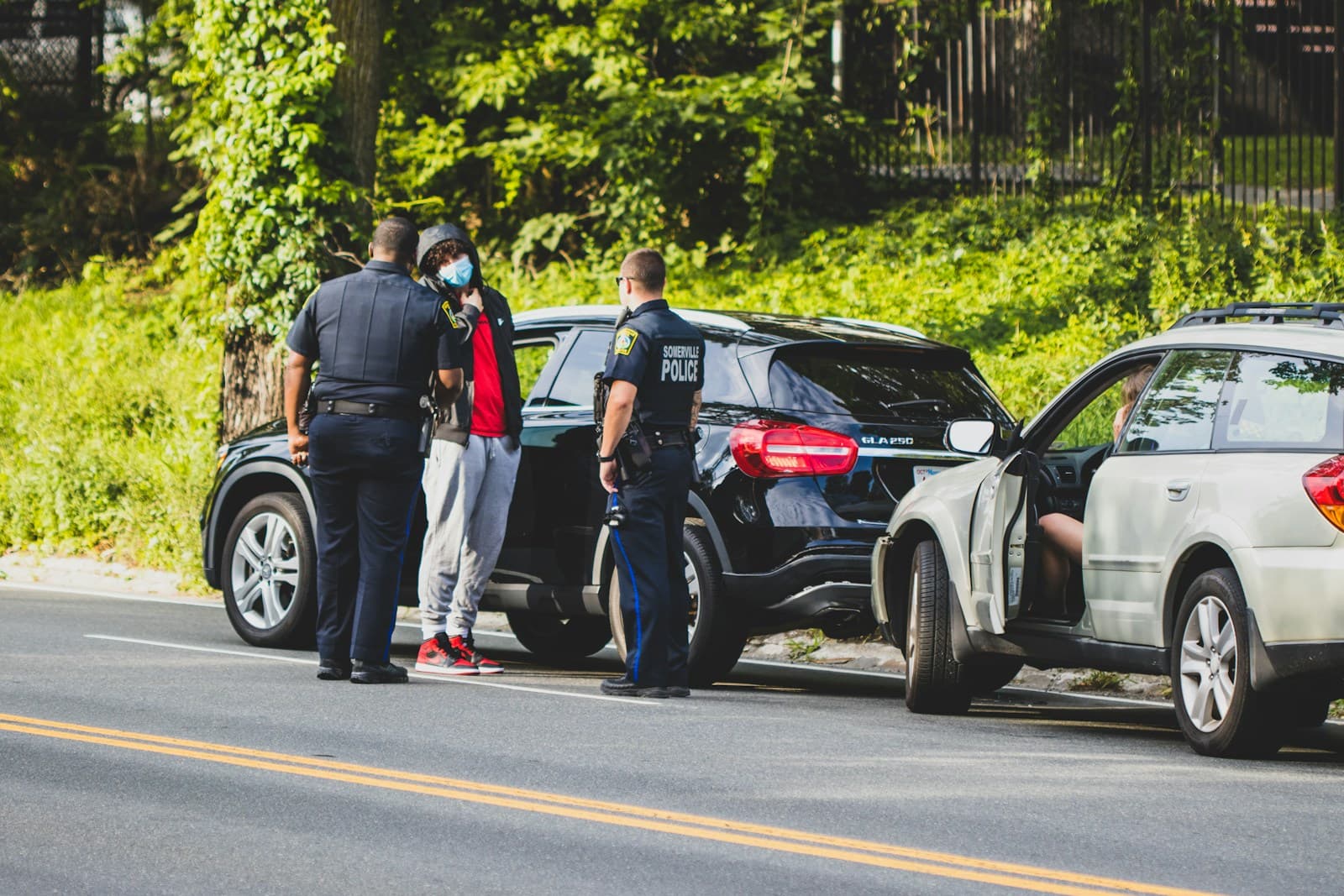
South Carolina law enforcement can verify your restricted license status during any traffic stop by checking your license class in the state system. Driving outside your approved route destinations while holding a Route Restricted License is a separate misdemeanor offense under SC Code § 56-1-175, carrying up to 30 days jail and $100 fine for first violation.
Your SR-22 insurance remains active and valid even if you violate route restrictions — the policy does not terminate because you drove somewhere unauthorized. But a route violation conviction extends your SR-22 filing requirement by resetting your compliance clock to zero in some South Carolina judicial circuits. That means a grocery store stop on the way home from work can add 3 years to your filing obligation if prosecuted and convicted.
Most carriers do not receive automatic notification when you violate route restrictions unless you are convicted and the conviction appears on your MVR at renewal. A ticket for route violation that you pay without contesting becomes a moving violation on your record and will increase your premium at the next policy term by 15–25%. If the violation triggers a license suspension for accumulating too many points, your carrier will cancel your policy mid-term and you will need to refile SR-22 with a new insurer to lift the suspension.
When You Can Switch From Restricted to Full License During SR-22 Period
South Carolina allows early reinstatement to a full unrestricted license after completing ADSAP (Alcohol and Drug Safety Action Program) and maintaining 6 months of SR-22 filing without lapses. Your SR-22 filing requirement does not end when you reinstate to full license status — you still owe the remainder of the 3-year filing period regardless of license class.
Switching from restricted to full license does not reduce your insurance premium because your DUI conviction remains on your record for the carrier's full lookback period (typically 5 years for non-standard insurers, 3 years minimum). Some drivers assume full reinstatement will lower their rate by removing the "restricted driver" surcharge, but no such surcharge exists — carriers price the DUI conviction, not the license restriction.
You must notify your carrier when your license class changes from restricted to unrestricted to maintain accurate policy records, but this notification does not require refiling SR-22. Your existing SR-22 certificate remains valid through the license upgrade. If you fail to notify your carrier and later file a claim, the carrier can investigate whether you were legally licensed at the time of loss — but upgrading from restricted to full license eliminates that claims risk rather than creating it.
Managing Childcare Route Changes When Your Provider Location Changes
If your childcare provider moves or you switch daycare centers during your restricted license period, you must file an amended route request with SC DMV before using the new address. Driving to an unapproved childcare location — even if it serves the same childcare function as your approved route — constitutes a route violation under state law.
SC DMV processes route amendment requests within 5–7 business days if submitted with proof of the new childcare provider's licensed status (a current SCDHHS childcare license or school enrollment verification). During the amendment processing window, you are legally required to use your previously approved routes only. Some single parents manage provider transitions by overlapping enrollments for one week to avoid route compliance gaps, though this doubles childcare cost temporarily.
Your SR-22 insurance carrier does not require notification when your approved routes change — the policy covers your vehicle regardless of where you drive it. Route restrictions are a DMV licensing condition, not an insurance policy condition. But if you move to a new address or change employers, update your carrier immediately because your garaging address and commute distance directly affect your premium calculation and your policy could be voided for material misrepresentation if the carrier discovers unreported address changes after a claim.