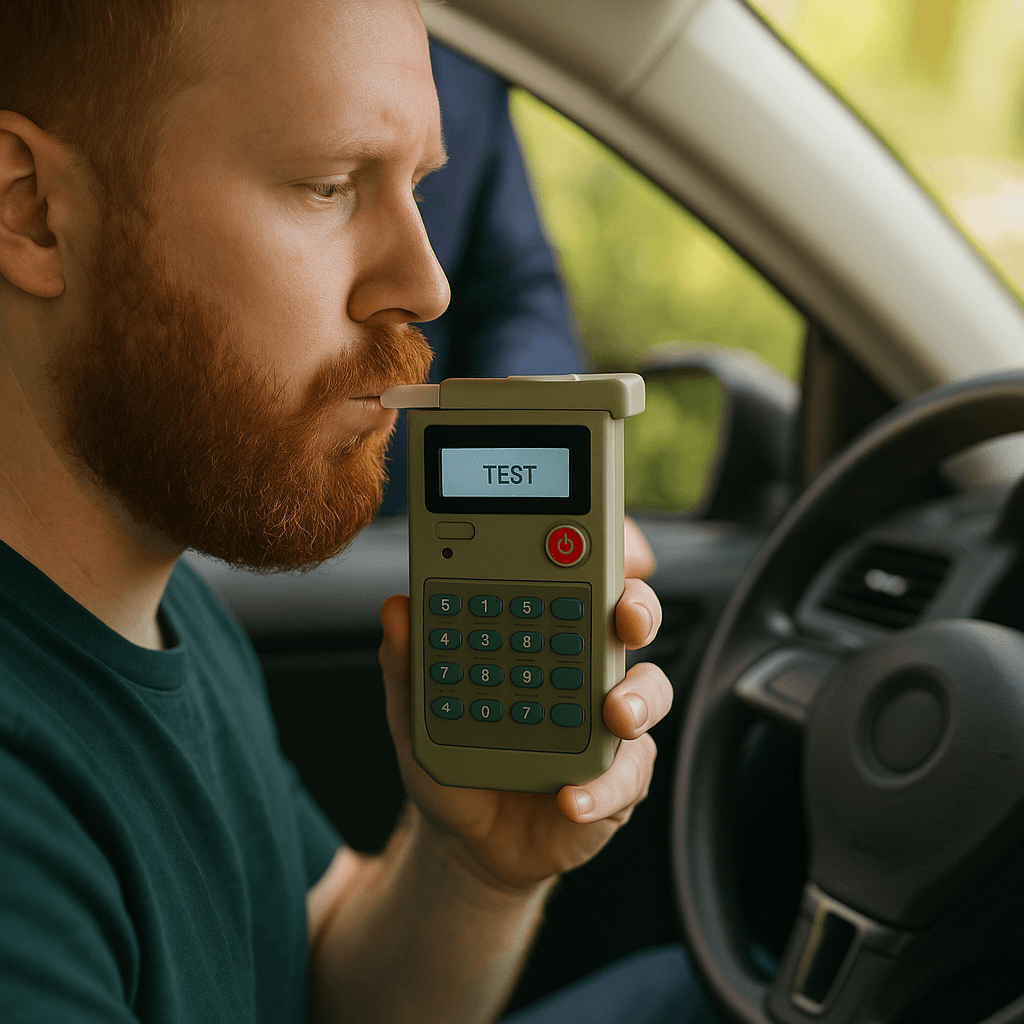
Illinois requires both IID and SR-22 after most DUI convictions, but the installation order directly affects your license reinstatement date and insurance cost window.
Your SR-22 filing period starts when the IID is installed, not when you file
Illinois counts your SR-22 filing period from the date your ignition interlock device is installed and active, not from your conviction date or the date you purchase insurance. If you file SR-22 while your license is still suspended waiting for IID installation, those months don't count toward your required filing period.
Most DUI convictions in Illinois trigger both a Monitoring Device Driving Permit requiring IID and SR-22 filing. First-offense standard DUI requires minimum 1 year SR-22. Aggravated DUI, high BAC (.15 or above), or refusal cases require 3 years. Repeat offenses require 5 years.
The Secretary of State will not count SR-22 filing time until your driving relief is active. Installing IID first, then filing SR-22, starts your clock correctly. Filing SR-22 before IID installation means you pay for insurance coverage you cannot legally use while suspended.
What happens if you file SR-22 before installing the IID
You pay for SR-22 insurance with no license reinstatement benefit. Your carrier files the SR-22 with the Illinois Secretary of State, you receive confirmation, but your license remains suspended until the IID is installed and your MDDP is issued.
SR-22 insurance costs $60–$180/mo for post-DUI drivers in Illinois, depending on conviction class and prior violations. Paying for three months of SR-22 coverage before your IID is installed means $180–$540 in premiums that do not advance your filing period end date.
The Secretary of State does not retroactively credit SR-22 filing time. Once your IID is installed and your MDDP is active, your required filing period begins that day. Any SR-22 coverage purchased earlier is sunk cost.
Find out exactly how long SR-22 is required in your state
The correct sequence after conviction in Illinois
Complete your court-ordered DUI education and evaluation first. Illinois requires Level I or Level II education depending on conviction class, and completion is required before applying for driving relief. Most programs take 10–20 hours spread over 4–12 weeks.
Schedule IID installation with a state-approved provider after education is complete. Installation takes 1–2 hours and costs $75–$150 upfront, plus $60–$100/mo monitoring fees. The provider submits installation confirmation to the Secretary of State electronically.
Apply for your Monitoring Device Driving Permit within 14 days of IID installation. The MDDP application requires proof of IID installation, proof of DUI education completion, and the $50 application fee. Once approved, purchase SR-22 insurance and your carrier files electronically with the state. Your filing period starts the day your MDDP is issued, not the day you apply.
Carrier acceptance differences for IID-equipped policies
Not all carriers write SR-22 policies for drivers with active IID requirements. State Farm, Geico, and Allstate will file SR-22 for existing customers through policy term but typically non-renew. Progressive files SR-22 but restricts coverage options for IID-required drivers in Illinois.
Non-standard carriers dominate the IID-SR-22 market: Bristol West, Dairyland, Direct Auto, and GAINSCO write policies specifically for post-DUI drivers with interlock requirements. These carriers expect the IID and price accordingly. Rates range $720–$2,160/year for minimum liability SR-22 coverage in Illinois.
Some carriers require proof of IID installation before binding the policy. Others will bind coverage immediately but note the IID requirement in underwriting. Confirm your carrier's IID documentation requirements before purchasing to avoid delays in SR-22 filing after your MDDP is issued.
When to file SR-22 if your IID installation is delayed
IID provider availability varies by region in Illinois. Downstate and rural counties may have 2–4 week wait times for installation appointments. Cook, DuPage, and Lake counties typically offer same-week appointments.
If your IID installation is delayed more than 30 days after education completion, contact the Secretary of State to confirm your reinstatement timeline. Your MDDP eligibility period does not expire, but court-ordered compliance deadlines may.
Do not purchase SR-22 insurance until your IID installation appointment is confirmed and scheduled. Once installed, file SR-22 within 3 days to minimize the gap between MDDP issuance and insurance compliance. Illinois allows electronic SR-22 filing, and most carriers submit same-day or next-day.
How repeat offenses change the IID and SR-22 sequence
Second DUI convictions in Illinois require minimum 5 years IID and 5 years SR-22 filing, measured from MDDP issuance. Third or subsequent convictions trigger license revocation, not suspension, and require a formal hearing before the Secretary of State to regain driving privileges.
Revocation cases require full reinstatement, which includes IID installation, SR-22 filing, and proof of treatment completion before any driving relief is granted. The filing period for revocation reinstatement is typically 5 years but varies by conviction facts and prior record.
Aggravated DUI with injury, death, or child endangerment triggers revocation even on first offense. These cases require restricted driving permit after minimum revocation period, then IID and SR-22 for 5 years minimum. The Secretary of State sets the filing period at the reinstatement hearing, and it always begins from the date driving relief is granted, not the conviction date.