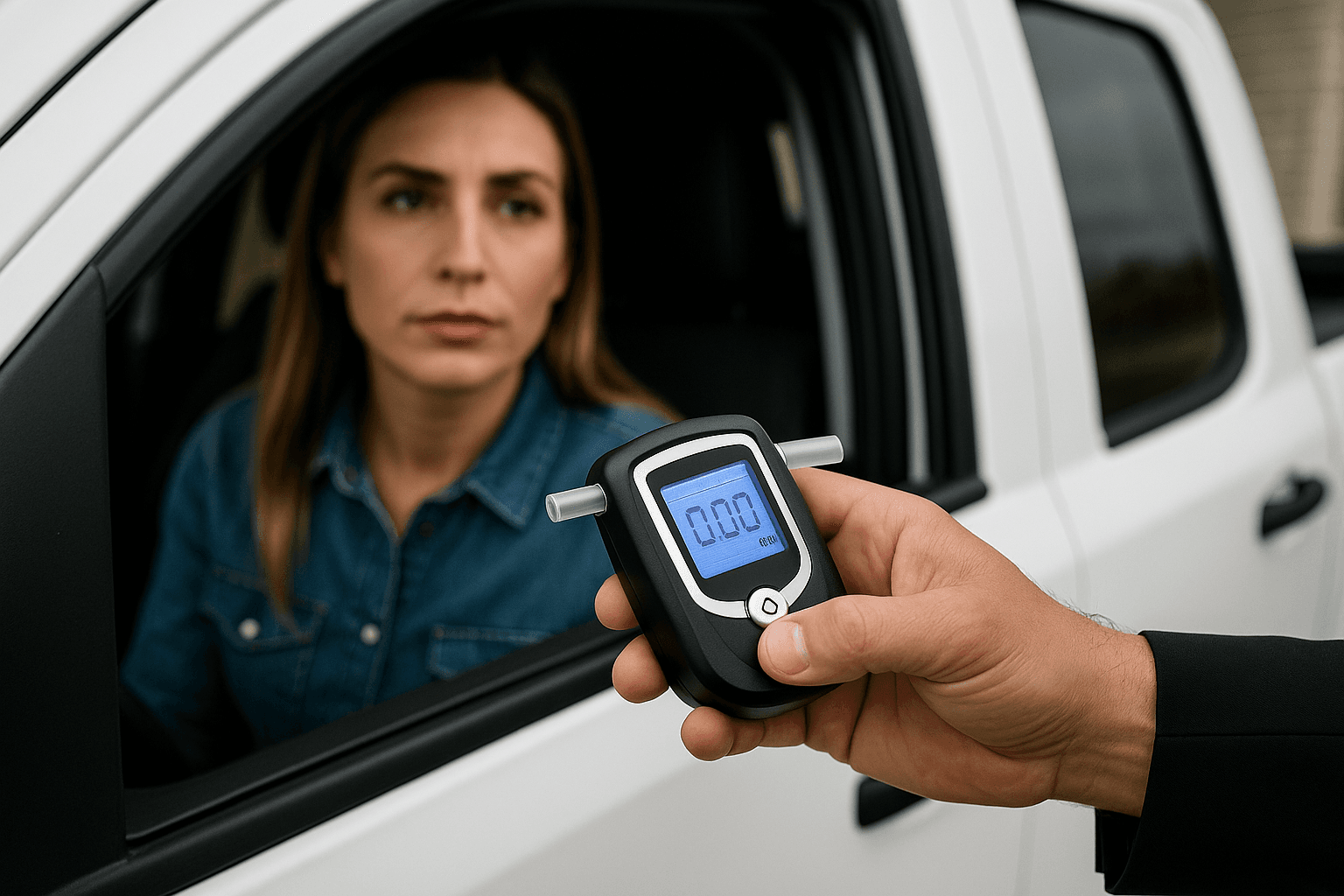
Connecticut DMV won't process your SR-22 until IID installation is verified and compliant. Filing insurance before your device is active creates a compliance gap that delays reinstatement and costs you premium dollars on a policy the state can't accept yet.
Connecticut Requires IID Installation Before Accepting SR-22 Filing
Connecticut DMV requires verified IID installation and compliance before processing SR-22 certificates for most DUI convictions. If you file SR-22 before your ignition interlock device is installed and operational, DMV will reject the filing regardless of valid insurance coverage. This creates a compliance gap where you're paying for SR-22 insurance the state won't accept, delaying your reinstatement by weeks or months.
The sequence matters because Connecticut's IID requirement triggers on the conviction date, not the reinstatement date. First-offense DUI with BAC 0.08–0.149% requires 6 months IID. First-offense with BAC 0.15% or higher requires 12 months. Repeat offenses require 24–36 months depending on conviction class. DMV verifies IID installation through direct reporting from state-approved vendors before unlocking SR-22 acceptance in their system.
Most drivers assume they can start insurance and IID simultaneously. Connecticut General Statutes § 14-227g blocks that path — the IID compliance record must exist in DMV's database before SR-22 filing activates reinstatement eligibility. Carriers will sell you SR-22 coverage before IID installation, but the policy won't satisfy your court or DMV obligation until the device verification clears.
What Happens If You File SR-22 Before IID Installation
Filing SR-22 before IID installation wastes premium on a policy that doesn't count toward your compliance clock. Connecticut DMV's system flags SR-22 filings tied to DUI convictions and cross-references them against active IID records. If no IID installation appears in the vendor reporting portal, the SR-22 sits in pending status indefinitely.
You'll pay monthly premiums — typically $95–$185/mo for non-standard SR-22 coverage after DUI — but your reinstatement timeline won't advance. DMV doesn't notify you of the hold. Most drivers discover the gap only when they check reinstatement status weeks later and find no progress recorded.
The filing doesn't transfer retroactively once IID is installed. You must request a new SR-22 certificate from your carrier with the correct effective date aligned to your IID compliance start date. Some carriers charge a reissue fee of $25–$50. The 3-year SR-22 filing period starts when DMV accepts the certificate, not when you first purchased the policy.
Find out exactly how long SR-22 is required in your state
Correct Filing Sequence for Connecticut DUI-SR-22 Reinstatement
Schedule IID installation first, before contacting any insurance carrier about SR-22. Connecticut approves roughly a dozen IID vendors statewide. Installation appointments typically run 2–4 weeks out depending on vendor capacity and your location. The device itself costs $70–$125 to install, plus $60–$90/mo monitoring and calibration fees.
Once installed, the vendor reports compliance to DMV within 24–48 hours through the state's centralized IID database. You'll receive a compliance confirmation notice by mail or email. This confirmation clears the IID requirement flag in DMV's system and opens SR-22 acceptance. Only after receiving IID compliance confirmation should you purchase SR-22 insurance.
Contact a non-standard carrier that writes post-DUI policies in Connecticut: The General, Dairyland, Bristol West, Direct Auto, GAINSCO. Request SR-22 filing effective the day after your IID compliance date. Most carriers can backdate SR-22 certificates 1–3 days if needed to align with IID activation, but not weeks or months. The carrier electronically files SR-22 with DMV, usually within 24 hours of policy binding. DMV processes accepted SR-22 filings in 3–7 business days, updating your reinstatement eligibility and beginning your 3-year filing period.
IID and SR-22 Overlap Period: What You're Paying
Connecticut requires both IID and SR-22 to run concurrently for the duration specified in your sentencing order. First-offense standard DUI requires 6 months IID plus 3 years SR-22 filing. The IID period runs first; SR-22 continues for 2.5 years after IID is removed. You're paying for both during the overlap window.
Monthly cost during IID-SR-22 overlap typically runs $155–$275 total: $60–$90 for IID monitoring and calibration, plus $95–$185 for SR-22 insurance. Connecticut allows hardship license eligibility after 45 days of suspension for first-offense DUI, but both IID and SR-22 must be active and compliant before DMV issues the hardship credential.
IID violations — failed startup tests, missed calibration appointments, tamper alerts — extend your device requirement and reset SR-22 filing acceptance. Connecticut adds 30–90 days of additional IID time per violation depending on severity. If IID is extended, SR-22 must remain active through the new end date or DMV considers you out of compliance and re-suspends your license.
Carriers That Write IID-SR-22 Policies in Connecticut
Most major carriers — State Farm, Geico, Allstate, Progressive — will not write new policies for drivers with active DUI convictions requiring both IID and SR-22. Existing customers may receive SR-22 filing through their current carrier, but policies typically non-renew at the 6-month term after DUI conviction appears on your motor vehicle record.
Non-standard carriers dominate Connecticut's post-DUI market: The General, Dairyland, Bristol West, Direct Auto, GAINSCO, Safe Auto, Acceptance. These carriers specialize in high-risk drivers and understand IID compliance requirements. They'll coordinate SR-22 effective dates with your IID installation if you provide the compliance confirmation notice from your device vendor.
Rates vary by conviction class, age, prior violations, and coverage selection. Minimum liability SR-22 in Connecticut (25/50/25) runs $95–$140/mo for first-offense DUI drivers age 30–50 with clean records otherwise. Aggravated DUI (BAC 0.15%+, injury, minor in vehicle) or repeat offenses push rates to $150–$240/mo. Adding collision or comprehensive increases premiums by 40–70%. Estimates based on available industry data; individual rates vary by driving history, vehicle, coverage selections, and location.
How Connecticut Tracks IID and SR-22 Compliance Simultaneously
Connecticut DMV maintains separate compliance databases for IID vendor reporting and SR-22 carrier filings. Both systems feed into your reinstatement status record, which determines license eligibility. IID vendors report installation, calibration visits, violation events, and removal to DMV electronically every 24–48 hours. SR-22 carriers report initial filing, policy renewals, cancellations, and lapses to DMV within 24 hours of any status change.
If either system shows non-compliance — IID violation, SR-22 lapse, missed calibration — DMV immediately flags your record and suspends reinstatement eligibility. You'll receive a suspension notice by certified mail, but the administrative hold takes effect the day the violation enters the database, not when you receive the letter. Most drivers don't realize they're out of compliance until they're pulled over and discover their license status is suspended again.
Maintaining dual compliance requires active monitoring. Check your DMV reinstatement status online monthly at ct.gov/dmv. Confirm your SR-22 policy is current and premiums paid. Schedule IID calibration appointments 3–5 days before the due date to avoid missed-appointment violations. One lapse in either system resets your reinstatement timeline to zero and requires restarting the full 3-year SR-22 filing period from the new compliance date.