California DMV requires ignition interlock installation and verification before they'll reinstate your license—and no carrier will file SR-22 without that active license number. Filing in the wrong order costs you weeks.
Why California DMV Blocks SR-22 Filing Until IID Is Installed
California requires ignition interlock device installation before license reinstatement for most DUI convictions, and SR-22 filing requires an active license number to attach the certificate to. The DMV will not issue a reinstated license number until your IID provider submits installation verification directly to Sacramento. This creates a hard dependency: IID installation and verification must happen first, then license reinstatement, then SR-22 filing.
Most carriers explain this poorly or not at all. You call for an SR-22 quote, they ask for your license number, and when you say it's suspended they either quote you anyway or tell you to call back later. What they don't tell you: the SR-22 certificate itself lists your California driver license number as the primary identifier, and the DMV will reject any filing that references a suspended or invalid license. The filing won't process until reinstatement completes.
First-offense standard DUI in California triggers a 6-month suspension with IID-restricted license available immediately upon court conviction. Repeat-offense and refusal convictions extend that timeline. The IID requirement runs 12 months minimum for first offense, 24-36 months for repeat offense, and the SR-22 filing period runs 3 years from reinstatement date. All three timelines start from different trigger points, which is why the sequence matters.
The Correct Filing Sequence After a California DUI Conviction
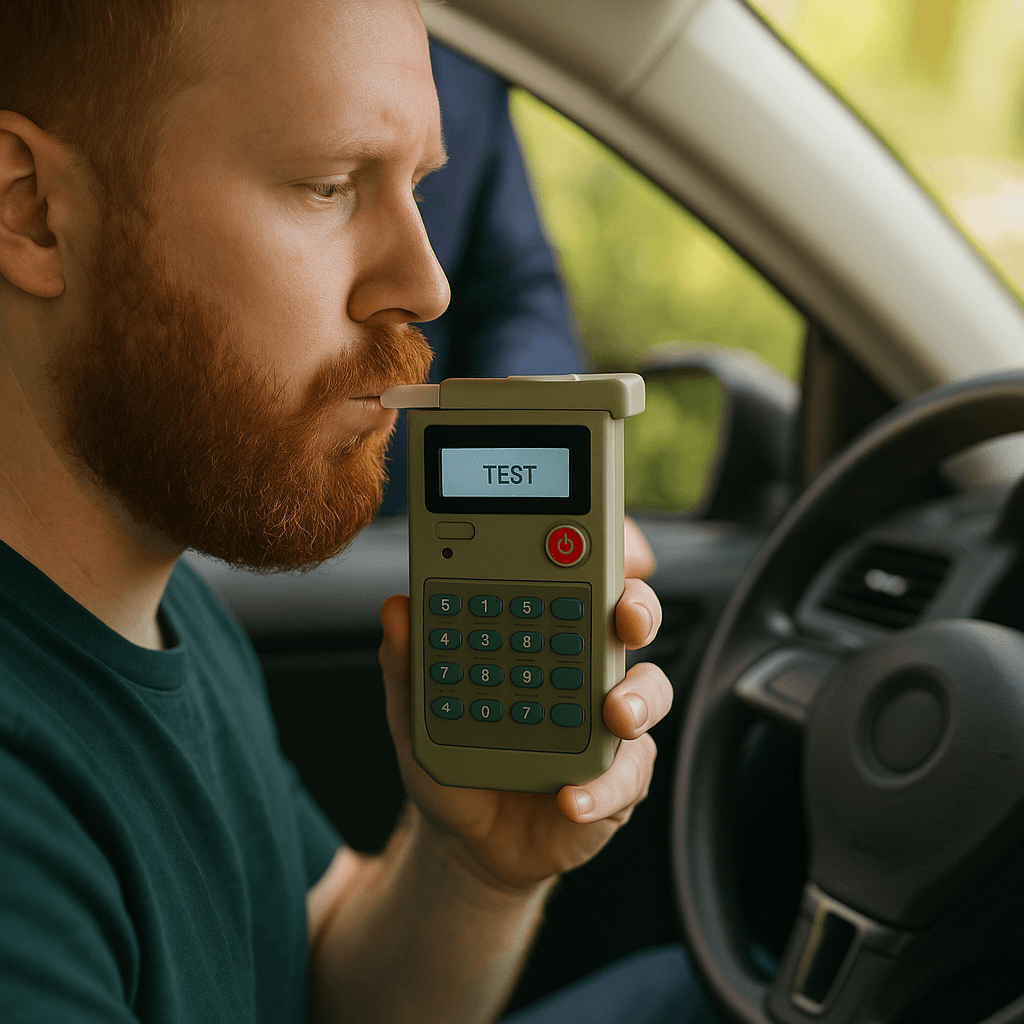
Install your ignition interlock device with a state-certified provider within 30 days of your court conviction or DMV Admin Per Se hearing outcome. California-certified providers include Intoxalock, LifeSafer, Smart Start, and Guardian Interlock. Installation costs $70-$150, plus $60-$90/month monitoring fees. Your provider submits installation verification to DMV electronically, usually within 2 business days.
Once DMV receives IID verification, apply for license reinstatement. First-offense DUI qualifies for an IID-restricted license immediately—you're not waiting out a hard suspension if you install the device. Pay the $125 reinstatement fee and request your new license number. DMV issues the restricted license within 5-10 business days if all court requirements (DUI school enrollment, proof of IID installation, SR-22 filing order from court) are documented.
Now contact a carrier for SR-22 filing. Provide your reinstated license number, IID installation date, and conviction details. The carrier issues the SR-22 certificate and transmits it to California DMV electronically. Filing fee is typically $15-$25. The SR-22 becomes active the day DMV receives and processes it, which starts your 3-year continuous filing requirement. If you try to file SR-22 before reinstatement, the DMV's system will reject the filing and you'll have to repeat the process once your license is active.
Find out exactly how long SR-22 is required in your state
What Happens If You Try to File SR-22 Before IID Installation
The SR-22 filing itself will be rejected by California DMV because the license number on the certificate is either suspended or invalid. Most carriers will still sell you the policy and charge the filing fee, but the certificate won't process through Sacramento's system. You won't receive a rejection notice immediately—DMV doesn't send failure confirmations to drivers, only to the carrier. You'll discover the problem weeks later when you check your reinstatement status and the SR-22 still shows as unfiled.
Some non-standard carriers will quote and bind a policy without verifying your license status, especially if you're buying online. They collect the premium, issue a policy number, and submit the SR-22. Then the filing bounces. You're now paying for an active insurance policy that isn't fulfilling your court-ordered SR-22 requirement. To fix it, you must install the IID, complete reinstatement, then contact the carrier to re-submit the SR-22 with your updated license number. Some carriers charge a second filing fee for resubmission.
This costs you time against your court compliance deadlines. If your sentencing order gave you 30 days to file proof of SR-22, and you waste 3 weeks trying to file before IID installation, you're now racing a court deadline with no margin for carrier processing delays or DMV backlogs.
How Long Each Step Actually Takes in California
IID installation scheduling typically takes 3-7 days from initial contact with the provider, depending on their appointment availability in your county. Los Angeles, San Diego, and Bay Area providers often have same-week availability. Rural counties may require 10-14 day waits. Installation itself takes 60-90 minutes. The provider transmits verification to DMV within 2 business days, but DMV processing of that verification adds another 3-5 business days before it appears in your driver record.
License reinstatement processing averages 7-10 business days once DMV has IID verification on file, all court documentation submitted, and fees paid. If you're missing any document—DUI school enrollment proof, court abstract, IID verification—the application stalls and DMV sends a deficiency notice by mail, adding 2-3 weeks. Restricted license cards are mailed; you can request your new license number by phone once the system shows reinstatement complete.
SR-22 filing from a carrier to DMV processes within 1-2 business days electronically. Paper filings (rare, used by some small non-standard carriers) take 7-10 business days. Total timeline from conviction to active SR-22 on file: 18-30 days if you execute every step in correct order with no delays. Missing the IID-first sequence adds 2-4 weeks of rework.
Which Carriers Will File SR-22 With an IID Restriction in California
Most non-standard carriers write policies for IID-restricted licenses in California and will file the SR-22 once your license is reinstated. GAINSCO, Bristol West, Acceptance Insurance, Kemper, and Dairyland all write DUI-SR-22 policies with active IID requirements noted on the policy. Monthly premiums for minimum liability coverage with SR-22 and IID notation range from $180-$320/month depending on county, age, and conviction class.
Mainstream carriers—State Farm, Geico, Allstate, Progressive—generally will not write new policies for drivers with IID-restricted licenses. If you held a policy with them before your DUI, they may allow you to maintain coverage and file SR-22, but expect non-renewal at your next term. Progressive writes some DUI business through their non-standard tier in California, but acceptance varies by underwriting region.
When you request quotes, specify three details: DUI conviction date, IID installation date, and restricted license issue date. Carriers need all three to underwrite accurately. If you omit the IID detail, the quote may come back incorrect or the policy may be rescinded after binding once the carrier pulls your MVR and sees the restriction. Honest disclosure up front prevents policy cancellations 30 days in when you're already counting on that SR-22 to stay compliant.
What Courts and Probation Officers Actually Check
California courts issuing DUI sentences require proof of SR-22 filing as a probation condition, and they verify compliance by requesting a copy of the filed certificate—not by checking with DMV directly. Your probation officer or the court clerk will ask you to provide the SR-22 certificate, usually within 30-45 days of sentencing. The certificate shows your policy number, coverage effective date, carrier name, and your California driver license number. If the license number on that certificate is suspended or doesn't match DMV records, the court knows you haven't completed reinstatement.
IID compliance is tracked separately. Your device provider uploads daily or weekly data logs to California DMV showing startup attempts, lockouts, passed tests, and failed tests. Courts can request this data during probation check-ins. A gap in IID data (because the device wasn't installed yet) while you were supposed to be driving on a restricted license triggers a probation violation. Filing SR-22 before IID installation doesn't help you—it just creates a paper trail showing you tried to shortcut the sequence.
Some drivers assume that buying the insurance policy alone satisfies the court's SR-22 order. It doesn't. The court wants proof that DMV has the SR-22 certificate on file and active. That only happens after reinstatement, which only happens after IID installation. Skipping steps doesn't save time—it generates compliance violations that extend your probation and reset your filing timelines.