Utah's second DUI within five years requires SR-22 filing for two years from conviction, not reinstatement. Most drivers miscalculate when their filing ends because they count from the wrong date, triggering compliance failures after they thought they were clear.
What Utah Classifies as a Second-Offense DUI Within Five Years
Utah counts any DUI conviction within five years of a prior DUI as a second offense, measured from conviction date to conviction date, not arrest date to arrest date. This includes standard DUI (.05 BAC in Utah), metabolite DUI (controlled substances detected), and implied consent refusals treated as convictions under administrative proceedings. If your first conviction was reduced to impaired driving or reckless driving, Utah may still count it as a prior offense depending on the original charge and plea agreement terms.
The five-year lookback period applies statewide and is not affected by out-of-state convictions. If you have a prior DUI from another state within the five-year window, Utah counts it toward your offense level for sentencing and SR-22 filing purposes. The Driver License Division cross-references NVCR (National Vehicle Crime Records) data to identify prior offenses across state lines.
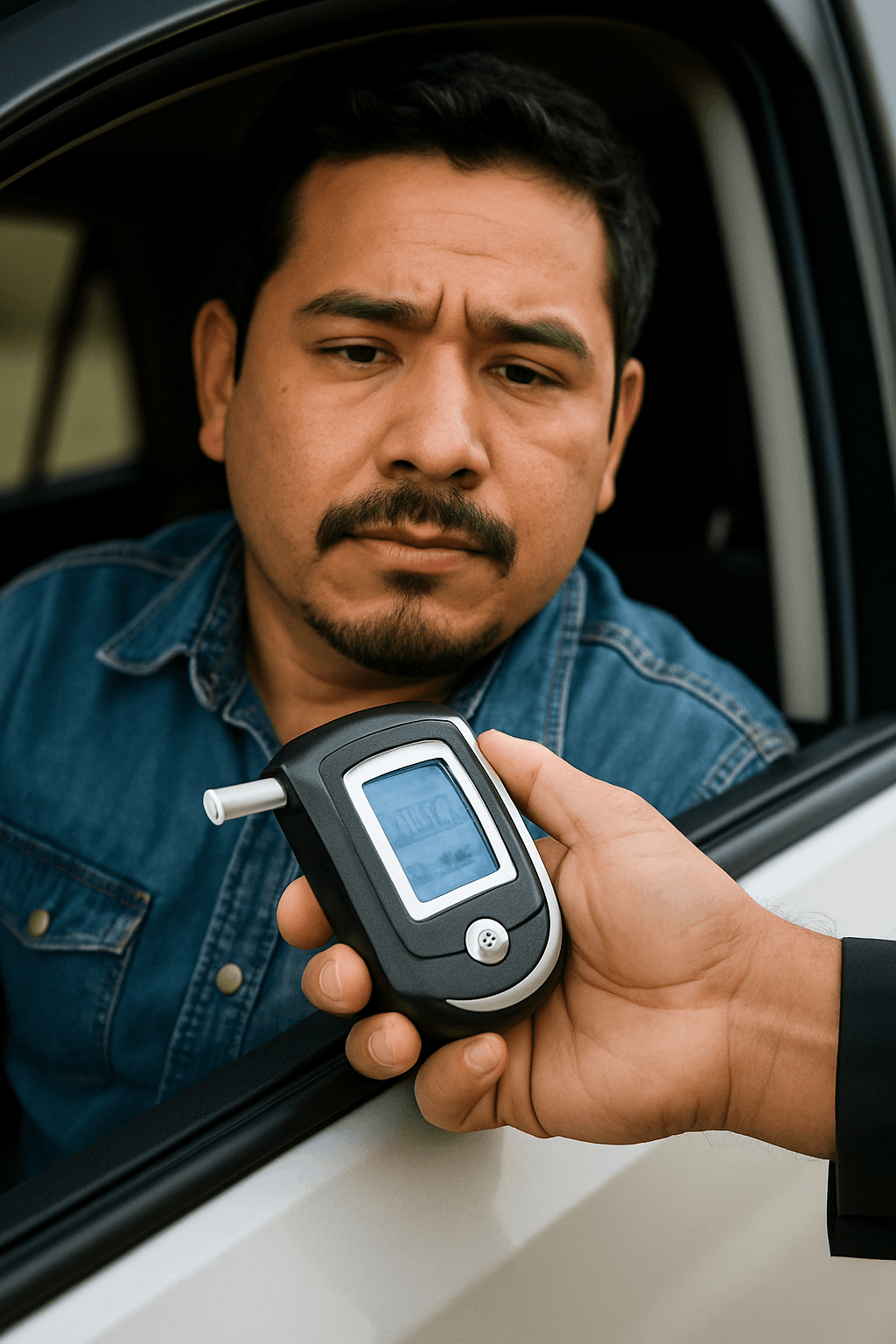
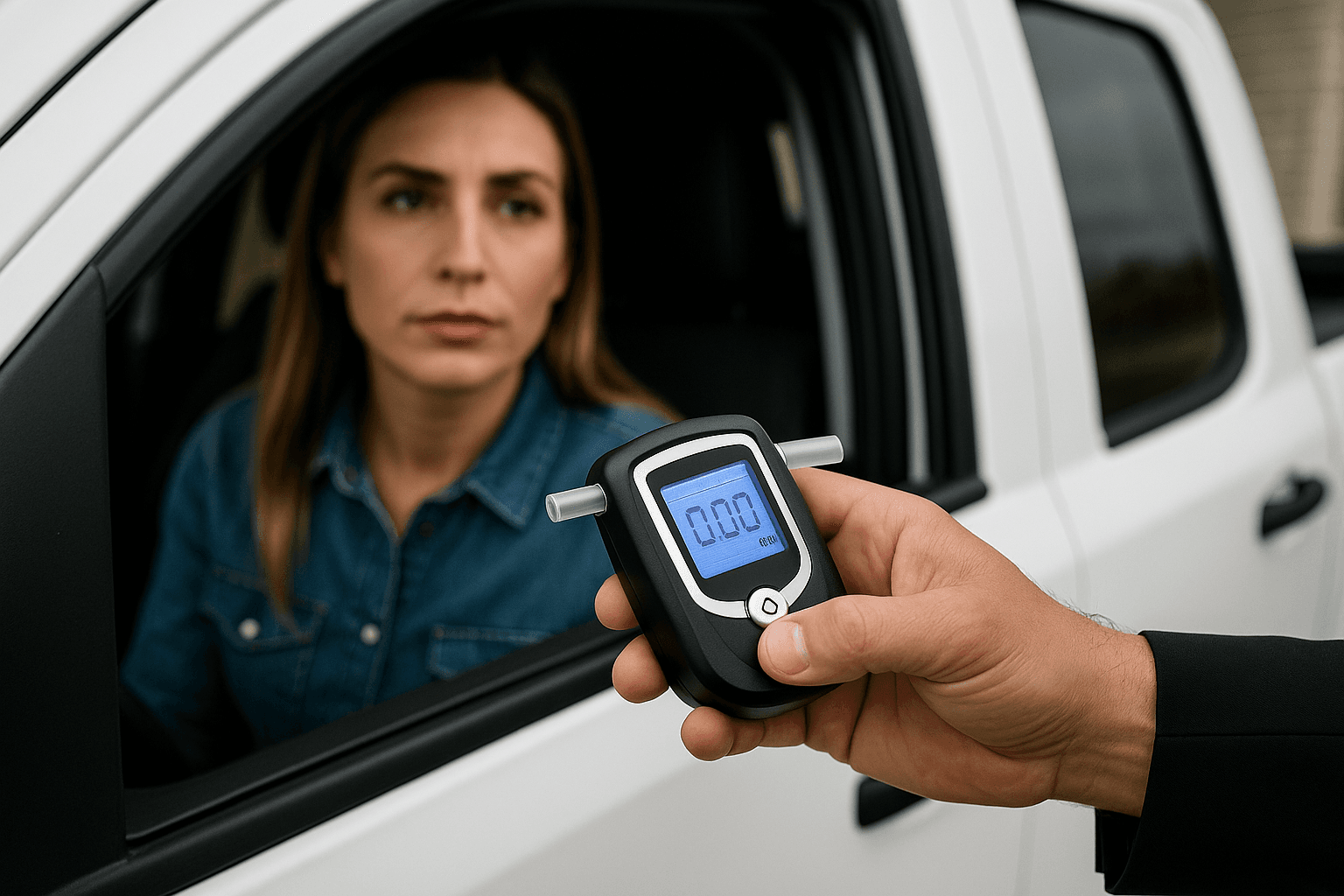
Second-offense classification triggers enhanced penalties: minimum 10 days jail (240 hours community service alternative for some courts), mandatory substance abuse assessment, 18-month ignition interlock device requirement, and two-year SR-22 filing period. The interlock requirement applies to all vehicles you own or regularly operate, including employer-provided vehicles in some cases.
When Your SR-22 Filing Period Starts and Ends in Utah
Utah's two-year SR-22 filing requirement for second-offense DUI starts on your conviction date, not your license reinstatement date, license suspension date, or interlock installation date. This is the most commonly miscalculated timeline in second-offense cases. If you were convicted January 15, 2024, your SR-22 filing period runs through January 14, 2026, regardless of when you actually reinstated your license or completed your suspension.
Most drivers lose 60 to 180 days of filing credit because they don't file SR-22 immediately after conviction. Utah does not require you to hold an active license during the filing period, but the clock starts at conviction whether you file that day or six months later. Filing late does not extend your end date — it just means you've wasted months of required filing time while suspended.
Your carrier must maintain continuous SR-22 filing with the Utah DLD for the full two years. If your policy lapses, cancels, or the carrier withdraws the SR-22 for non-payment, the DLD receives electronic notification within 24 hours and your filing clock resets to zero. A single one-day lapse after 18 months of clean filing means you start the two-year period over from the lapse date.
Find out exactly how long SR-22 is required in your state
How the 18-Month Ignition Interlock Requirement Affects Your Policy
Utah mandates an 18-month ignition interlock device (IID) for second-offense DUI within five years, installed on every vehicle you own or regularly operate. The interlock requirement runs concurrently with your SR-22 filing period but starts from reinstatement or restricted license issuance, not conviction. This creates overlapping compliance timelines most drivers mismanage.
Your SR-22 policy must list all vehicles equipped with interlock devices. Most non-standard carriers require proof of interlock installation before binding coverage — this means scheduling installation with an approved provider (Intoxalock, Smart Start, LifeSafer, or Draeger in Utah) before you can even get a quote finalized. Expect interlock installation costs of $75 to $150 and monthly monitoring fees of $60 to $90, which you pay separately from your insurance premium.
Carriers treat interlock-equipped vehicles as higher risk during the monitoring period. Monthly SR-22 premiums for second-offense DUI in Utah with interlock typically range from $140 to $240, compared to $85 to $150 for first-offense filers without interlock. Violations recorded by the interlock device (failed rolling retests, tampering alerts, missed calibration appointments) appear on your monitoring report and trigger rate increases or policy non-renewal at term even if the DLD does not extend your interlock period.
Which Carriers Write SR-22 for Second-Offense DUI in Utah
Most major carriers non-renew policies at term after a second DUI conviction. State Farm, Geico, Allstate, and Progressive will file SR-22 for existing customers through the end of the current policy period, but they typically issue a non-renewal notice 30 to 60 days before term expiration. You will need to move to the non-standard market for your renewal and the duration of your SR-22 filing period.
Non-standard carriers actively writing second-offense DUI SR-22 policies in Utah include Dairyland, Bristol West, The General, GAINSCO, Acceptance, and National General. Availability varies by county — Davis, Salt Lake, Utah, and Weber counties have the widest carrier access, while rural counties may have only two or three carriers willing to write interlock-equipped policies. Expect quotes to require interlock verification documents and proof of substance abuse program enrollment before binding.
SR-22 filing fees in Utah are typically $25 to $50 one-time, paid to the carrier at policy inception. Some carriers charge an additional $15 to $25 annual continuation fee if your policy renews during the filing period. Monthly premiums for liability-only coverage (25/65/15 minimum limits) with second-offense DUI and interlock range from $140 to $240. Full coverage policies with collision and comprehensive add $60 to $120 per month depending on vehicle value and deductible selection.
What Happens If You Move Out of State During Your Filing Period
Utah's two-year SR-22 filing requirement follows you if you move to another state during your filing period, but the receiving state's SR-22 rules apply to how you maintain compliance. If you move to a state that does not use SR-22 (like Delaware or New Mexico), you cannot satisfy Utah's requirement — you must maintain a Utah policy with active SR-22 filing until your two-year period ends, even if you no longer live there.
Most drivers moving out of state maintain a Utah non-owner SR-22 policy (if they sold their vehicle) or transfer their existing Utah SR-22 policy to the new state through a carrier licensed in both jurisdictions. Not all non-standard carriers operate in all states. If your current carrier does not write policies in your new state, you must find a new carrier willing to file SR-22 with Utah on your behalf, which typically requires working with a high-risk broker who specializes in interstate SR-22 transfers.
Failing to notify the Utah DLD of your address change within 30 days or allowing your SR-22 filing to lapse during an interstate move triggers immediate suspension in Utah. This creates a second suspension on your record, which most states report through interstate compact agreements, resulting in suspension in your new state even if you never drive in Utah again. The suspension remains on your Utah driving record permanently and appears on background checks and insurance quote applications for the rest of your life.
How to Reinstate Your Utah License After Second-Offense Suspension
Utah suspends your license for two years after a second DUI conviction within five years. You become eligible for a limited license with interlock after 60 days if you complete a substance abuse assessment and enroll in a state-approved treatment program. The limited license allows driving to work, school, treatment, and interlock service appointments only — not personal errands or social activities.
To apply for reinstatement or a limited license, you must first obtain SR-22 coverage, pay a $100 reinstatement fee, provide proof of interlock installation on all owned vehicles, and submit a Treatment Program Compliance Report from your assigned counselor. The DLD processes reinstatement applications within 10 business days if all documents are submitted correctly. Missing any single document resets the review timeline to zero.
Once reinstated with interlock, you must maintain SR-22 filing for the remainder of your two-year period, complete 18 months of interlock monitoring without major violations, and pay monthly interlock monitoring fees on time. Any interlock violation (failed retest, circumvention attempt, missed calibration) extends your interlock period by 30 to 90 days per violation and may trigger policy non-renewal. After completing your interlock period, you must return to the DLD with a final monitoring report to convert your limited license to full unrestricted status, but your SR-22 filing continues until your two-year conviction anniversary.