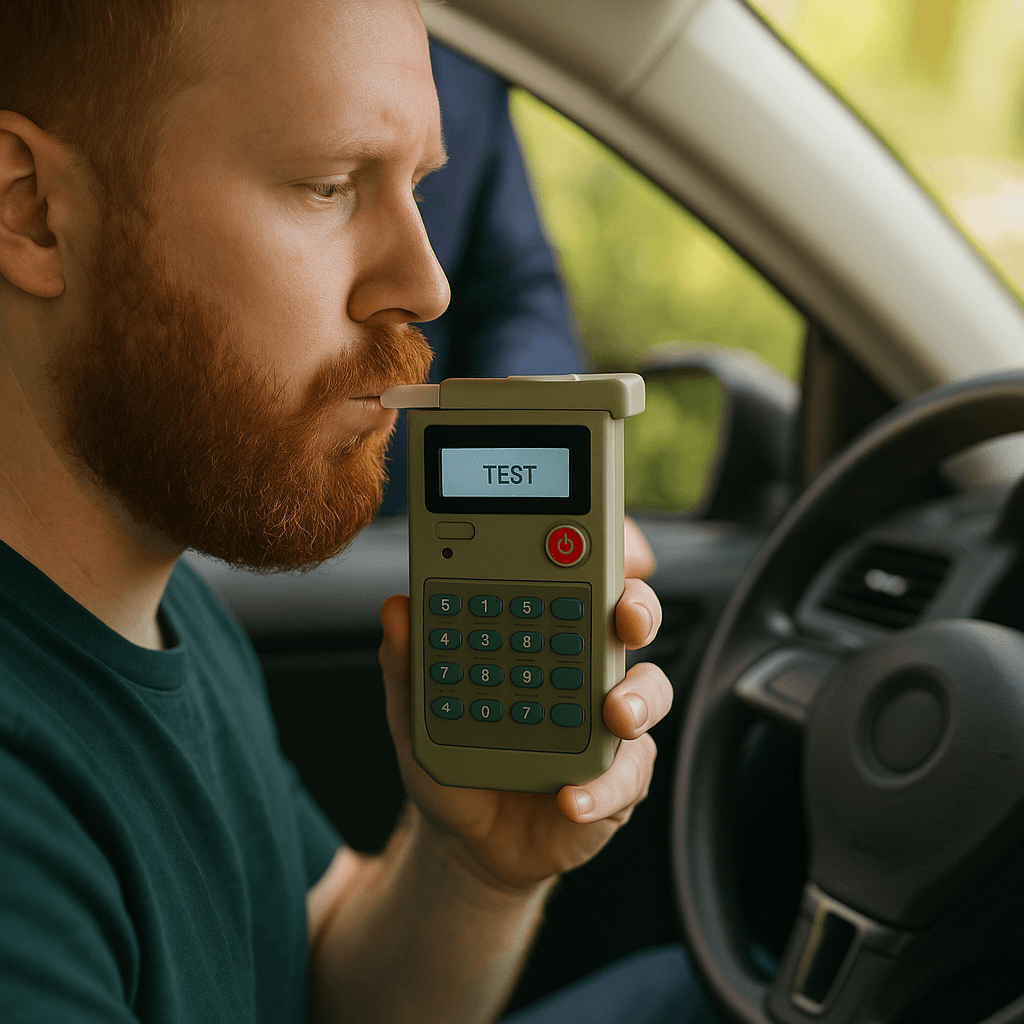
A second DUI conviction in Massachusetts within five years triggers a mandatory two-year license loss, three-year SR-22 filing requirement, and average insurance rates of $310–$490/mo in the non-standard market.
What a Second DUI Within Five Years Actually Triggers in Massachusetts
A second DUI conviction in Massachusetts within five years of the first activates a mandatory two-year license suspension, a three-year SR-22 filing requirement measured from conviction date, and Ignition Interlock Device (IID) installation for the full two years post-reinstatement. The Registry of Motor Vehicles (RMV) classifies this as an aggravated offense because the lookback window is five years, not ten—meaning repeat-offense consequences apply even if your first DUI happened four years and eleven months ago.
The three-year SR-22 filing period starts on your conviction date, not your reinstatement date. Most drivers assume the clock starts when they get their license back after two years, which adds two unnecessary years of SR-22 filing and elevated premiums. If convicted on March 1, 2024, your SR-22 obligation ends March 1, 2027—even though you won't reinstate until March 1, 2026 at the earliest.
Your mainstream carrier will almost certainly non-renew at your policy term after conviction. State Farm, Geico, Progressive, and Allstate all file SR-22 for existing customers in Massachusetts but typically decline renewal for second-offense DUI. You'll need non-standard market coverage from carriers like Bristol West, Dairyland, GAINSCO, or Direct Auto—availability varies by county and driving history beyond the DUI.
What You Pay for SR-22 Insurance After a Second Massachusetts DUI
Average monthly premiums for second-offense DUI drivers with SR-22 in Massachusetts range from $310 to $490 for liability-only coverage (100/300/50 minimum limits). Full coverage with comprehensive and collision pushes that range to $520–$780/mo depending on vehicle value, ZIP code, and whether you have additional violations or at-fault accidents in your history.
The SR-22 certificate filing itself costs $25–$50 as a one-time fee paid to your carrier, but the premium increase comes from the DUI conviction—not the SR-22 paperwork. A second DUI typically triggers a 150–220% rate increase compared to a clean record, and that increase persists for three to five years depending on carrier surcharge schedules. Non-standard carriers calculate risk differently: some weight conviction class and IID compliance more heavily than others.
You'll also pay $1,200 in RMV reinstatement fees, $600–$1,200 for the 14-day residential alcohol treatment program (or $3,000+ for inpatient if ordered), and $125/month average for IID lease and monitoring. Total first-year cost after conviction including insurance, fees, and IID: $9,000–$13,000. Budget accordingly before your reinstatement eligibility date.
Find out exactly how long SR-22 is required in your state
How the Two-Year Suspension and Reinstatement Process Works
Your two-year suspension begins on your conviction date, not your arrest date or license surrender date. Massachusetts courts notify the RMV electronically within 48 hours of conviction, and your suspension activates immediately even if you file an appeal. If you're convicted March 15, your earliest reinstatement eligibility date is March 15 two years later—no discretion, no hardship exceptions for second offense within five years.
Before reinstatement, you must complete the 14-day residential treatment program approved by the Massachusetts Department of Public Health, attend a victim impact panel, pay all court fines and RMV reinstatement fees, and secure SR-22 insurance with IID endorsement. The RMV will not schedule your reinstatement hearing until proof of treatment completion and SR-22 filing appears in their system—processing delays of 10–15 business days are common, so file SR-22 at least three weeks before your target reinstatement date.
Once reinstated, you'll receive a hardship license requiring IID installation on any vehicle you operate for two full years. Your SR-22 must remain active for three years from conviction date—verify your end date in writing from your carrier and the RMV to avoid miscalculation. A single day of SR-22 lapse during that period resets your suspension and restarts the entire reinstatement process.
Which Carriers Actually Write Second-Offense DUI in Massachusetts
Bristol West, Dairyland, and The General write second-offense DUI policies with SR-22 in Massachusetts, but county availability varies—Bristol West operates statewide while Dairyland limits underwriting in Suffolk and Middlesex counties for drivers with multiple convictions. GAINSCO and Direct Auto accept second-offense applicants but require IID proof of installation and 90-day compliance data before binding coverage.
Progressive and Geico will quote second-offense DUI drivers in Massachusetts but typically decline to bind once SR-22 and IID requirements appear in underwriting review. State Farm and Allstate both exit after conviction at policy renewal—expect a non-renewal notice 45–60 days before your term ends. If you're currently insured with a standard carrier when convicted, shop the non-standard market immediately rather than waiting for the non-renewal letter.
Non-owner SR-22 policies are available from Dairyland and Bristol West if you don't own a vehicle but need SR-22 to satisfy your filing requirement. Monthly premiums for non-owner SR-22 after second DUI: $140–$210/mo. This option works only if you genuinely don't own a vehicle and won't be listed as a regular operator on a household policy—misrepresenting vehicle access voids coverage and triggers RMV suspension.
How IID Affects Your SR-22 Policy and Premium
Massachusetts requires your SR-22 policy to include an IID endorsement confirming the device is installed on any vehicle you own or regularly operate. Your carrier files this endorsement with the RMV as part of SR-22 submission—without it, your SR-22 is invalid and your reinstatement will be denied at hearing.
Most non-standard carriers in Massachusetts add $15–$35/mo to your premium for the IID endorsement, separate from the device lease cost you pay to the IID provider. This endorsement fee covers carrier liability exposure and monitoring requirements—if your IID records violations (failed start attempts, circumvention, missed rolling retests), your carrier receives alerts and may non-renew your policy mid-term.
Your two-year IID requirement runs separately from your three-year SR-22 requirement. If convicted March 1, 2024, IID ends March 1, 2028 (two years post-reinstatement in March 2026), but SR-22 ends March 1, 2027. You'll need to notify your carrier when IID is removed so they can delete the endorsement and adjust your premium—expect a $20–$40/mo decrease once the device comes off.
What Happens If Your SR-22 Lapses During Your Filing Period
A single day of SR-22 lapse during your three-year filing period triggers automatic RMV suspension and voids your reinstatement. Your carrier is required by Massachusetts law to notify the RMV electronically within 10 days of policy cancellation, non-renewal, or lapse—the RMV suspends your license the same day they receive that notification, no warning letter, no grace period.
Once suspended for SR-22 lapse, you must refile SR-22, pay a $500 reinstatement fee, and restart your entire three-year filing period from the new filing date. If your original SR-22 obligation was set to end March 2027 but you lapsed in January 2027, your new end date becomes January 2030. The RMV does not prorate or credit time already served—lapse consequences are absolute.
Set up automatic payment with your carrier and request email confirmation each month that your SR-22 is active and on file with the RMV. Most lapses happen during carrier switches when drivers assume the new carrier has filed but processing delays create a gap. Never cancel your existing SR-22 policy until you have written confirmation from your new carrier that SR-22 is filed and showing active in the RMV system.
How Moving Out of Massachusetts Affects Your SR-22 Requirement
Your Massachusetts SR-22 filing requirement follows you if you move to another state before your three-year period ends. You'll need to transfer your SR-22 to a carrier licensed in your new state and notify the Massachusetts RMV in writing that you've established residency elsewhere—without that notification, Massachusetts assumes you're still a resident and will suspend your MA license if your MA-based SR-22 lapses.
Not all states accept out-of-state SR-22 transfer. If you move to a state that doesn't require SR-22 for its own residents (like New York or Michigan), you may still need to maintain Massachusetts SR-22 through a non-resident policy to satisfy your original conviction requirement. Confirm transfer rules with the new state's DMV and the Massachusetts RMV before canceling your MA policy.
If you move to another SR-22 state, your new carrier will file SR-22 with both your new state and Massachusetts simultaneously. Monthly premiums typically increase $30–$60 for dual-state filing because carriers assume higher administrative and liability risk. Your three-year clock does not reset when you move—it continues running from your original Massachusetts conviction date.