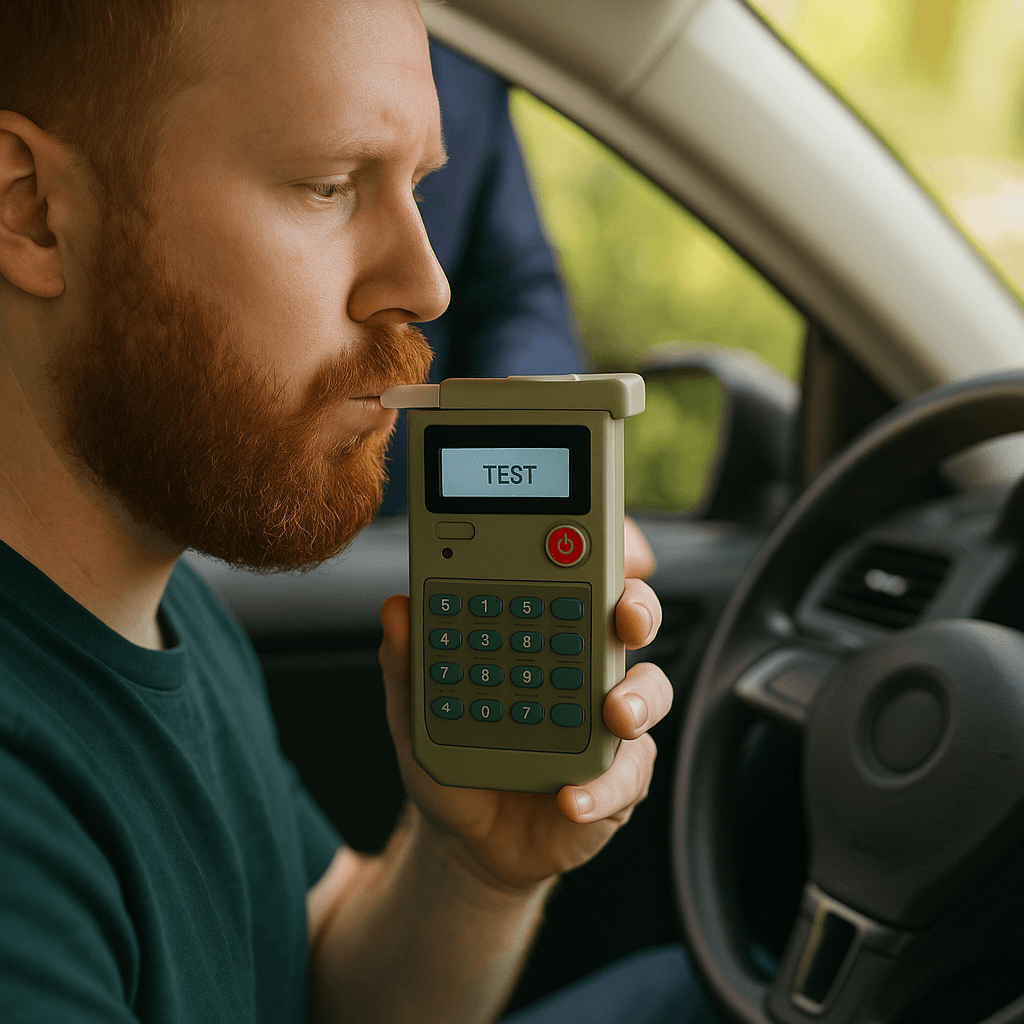
Maine treats second DUI offenses with harsher penalties even if your first conviction was over a decade ago. You'll face a longer SR-22 filing period, higher insurance costs, and a mandatory license suspension.
Does Maine Count a DUI From Over 10 Years Ago as a Second Offense?
Yes. Maine counts prior DUI convictions within a 10-year lookback period for sentencing purposes, but your second conviction still carries enhanced penalties even if your first was outside that window. The Secretary of State treats any prior OUI conviction as a factor in determining your license suspension length, regardless of how long ago it occurred.
Your second DUI triggers a minimum 3-year license suspension if the first offense was more than 10 years ago. If your first conviction was within the past 10 years, you face a minimum 4-year suspension. Both scenarios require SR-22 filing for 3 years after conviction, measured from the date of sentencing, not the date your license is reinstated.
Insurance consequences don't follow the same lookback period. Most mainstream carriers check your entire driving record during underwriting, and a second DUI at any interval typically results in policy non-renewal at term. You'll need the non-standard market for coverage, where rates for second-offense DUI average $220–$380/mo depending on your age, location, and the time elapsed since conviction.
How Long Is Your SR-22 Filing Period After a Second DUI in Maine?
Maine requires 3 years of continuous SR-22 filing after any second DUI conviction. The clock starts on your conviction date, not your reinstatement date. This means if you serve a 3-year suspension and then reinstate, your SR-22 requirement will already be satisfied if you maintained filing during suspension.
Many drivers misunderstand this timing. If you wait until reinstatement to obtain SR-22 coverage, you're extending your compliance period by the length of your suspension. Filing SR-22 during suspension — even with a non-owner policy if you don't have a vehicle — allows your 3-year requirement to run concurrently with your suspension period.
If your SR-22 lapses at any point during the 3-year period, Maine's Bureau of Motor Vehicles suspends your license immediately and resets your filing clock to zero. You'll serve the full 3 years again from the date you refile. Most non-standard carriers send advance renewal notices 45–60 days before policy expiration to prevent this, but the responsibility to maintain continuous coverage is entirely yours.
Find out exactly how long SR-22 is required in your state
What Are the Penalties for a Second DUI in Maine After 10+ Years?
A second DUI in Maine carries a minimum 3-year license suspension if your first offense was more than 10 years ago, along with mandatory jail time of at least 7 days (up to 6 months), fines of $700–$2,000, and SR-22 filing for 3 years. If your first DUI was within the past 10 years, your suspension increases to a minimum of 4 years.
You'll also face a 150-hour alcohol treatment program requirement, possible ignition interlock device (IID) installation if your BAC was 0.15% or higher, and vehicle impoundment for up to 60 days. The court may impose probation, community service, or restricted license conditions during your suspension period depending on case specifics.
Insurance costs compound these penalties. A second DUI typically increases your premium by 120–180% compared to a driver with one DUI, and most standard carriers won't write you at all. Non-standard market carriers in Maine — including The General, Direct Auto, and Bristol West — offer SR-22 policies but expect monthly premiums between $220 and $380 depending on your coverage limits and location.
Which Carriers Write SR-22 Policies After a Second DUI in Maine?
Most mainstream carriers like State Farm, Geico, and Progressive will non-renew your policy after a second DUI conviction, even if you've been a customer for years. A few may file SR-22 for existing policyholders through the end of the current term, but they typically decline renewal once your policy expires.
The non-standard market handles nearly all second-offense DUI policies in Maine. Carriers that actively write this risk include The General, Direct Auto, Dairyland, Bristol West, and National General. Availability varies by county, and not all carriers offer the same coverage options or payment plans.
Expect quotes to range from $220/mo for state minimum liability with a clean record otherwise, to $380/mo if you're under 30, live in a metro area like Portland or Bangor, or carry higher coverage limits. Non-owner SR-22 policies cost less — typically $50–$90/mo — and satisfy Maine's filing requirement if you don't own a vehicle during your suspension period. You can find coverage options and compare rates at SR-22 insurance carriers that write second-offense policies.
Can You Get a Work License or Hardship Permit After a Second DUI in Maine?
Maine does not offer hardship or occupational licenses during the mandatory suspension period for a second DUI. You must serve the full minimum suspension — 3 years if your first offense was more than 10 years ago, or 4 years if it was within the past decade — before you're eligible for any type of driving privilege.
After you've served the minimum suspension period, you can apply for license reinstatement through the Secretary of State. You'll need to complete your alcohol treatment program, pay all reinstatement fees (typically $250–$500 depending on case specifics), provide proof of SR-22 filing, and potentially install an ignition interlock device if the court ordered it as a condition of reinstatement.
Some drivers maintain SR-22 coverage during suspension using a non-owner policy, even though they can't legally drive. This allows the 3-year SR-22 clock to run concurrently with the suspension period, so when you're eligible to reinstate, your filing requirement is already satisfied. Non-owner policies cost significantly less than standard auto insurance, and they keep you compliant with court-ordered SR-22 filing even while suspended.
How Does Maine Calculate Your SR-22 Filing Start Date?
Maine measures your 3-year SR-22 filing period from your conviction date, not your license reinstatement date. If you were convicted on June 1, 2024, your SR-22 requirement expires June 1, 2027, regardless of when your license suspension ends or when you actually obtain coverage.
This creates a strategic decision point. If you obtain SR-22 coverage immediately after conviction — even with a non-owner policy during suspension — your filing period runs concurrently with your suspension. If you wait until reinstatement to file SR-22, you're adding the full 3-year requirement on top of your suspension period, extending your total compliance timeline.
Most drivers don't realize Maine allows SR-22 filing during suspension. Non-owner SR-22 policies cost $50–$90/mo and satisfy the state's proof of financial responsibility requirement even though you can't drive. When your suspension ends and you're eligible to reinstate, your SR-22 clock may already be partially or fully satisfied, depending on how long you maintained coverage during suspension.
What Happens If Your SR-22 Lapses During the 3-Year Period?
Maine's Bureau of Motor Vehicles receives immediate electronic notification from your insurance carrier if your SR-22 policy cancels, lapses, or is non-renewed for any reason. The BMV suspends your license the same day they receive the lapse notice, and your 3-year SR-22 filing period resets to zero.
You'll serve the full 3 years again from the date you refile SR-22 and reinstate your license. There is no credit for time already served. If you had filed for 2 years and 11 months and then missed a payment, you start over at day one.
Most non-standard carriers send advance renewal notices 45–60 days before policy expiration and will attempt to contact you if a payment is missed. Some offer automatic payment options to reduce lapse risk. The responsibility is entirely yours — if you move, change banks, or miss a single payment, the consequences reset your entire compliance timeline. Maintaining continuous coverage for the full 3-year period is the only way to satisfy Maine's SR-22 requirement and avoid extending your restriction indefinitely.