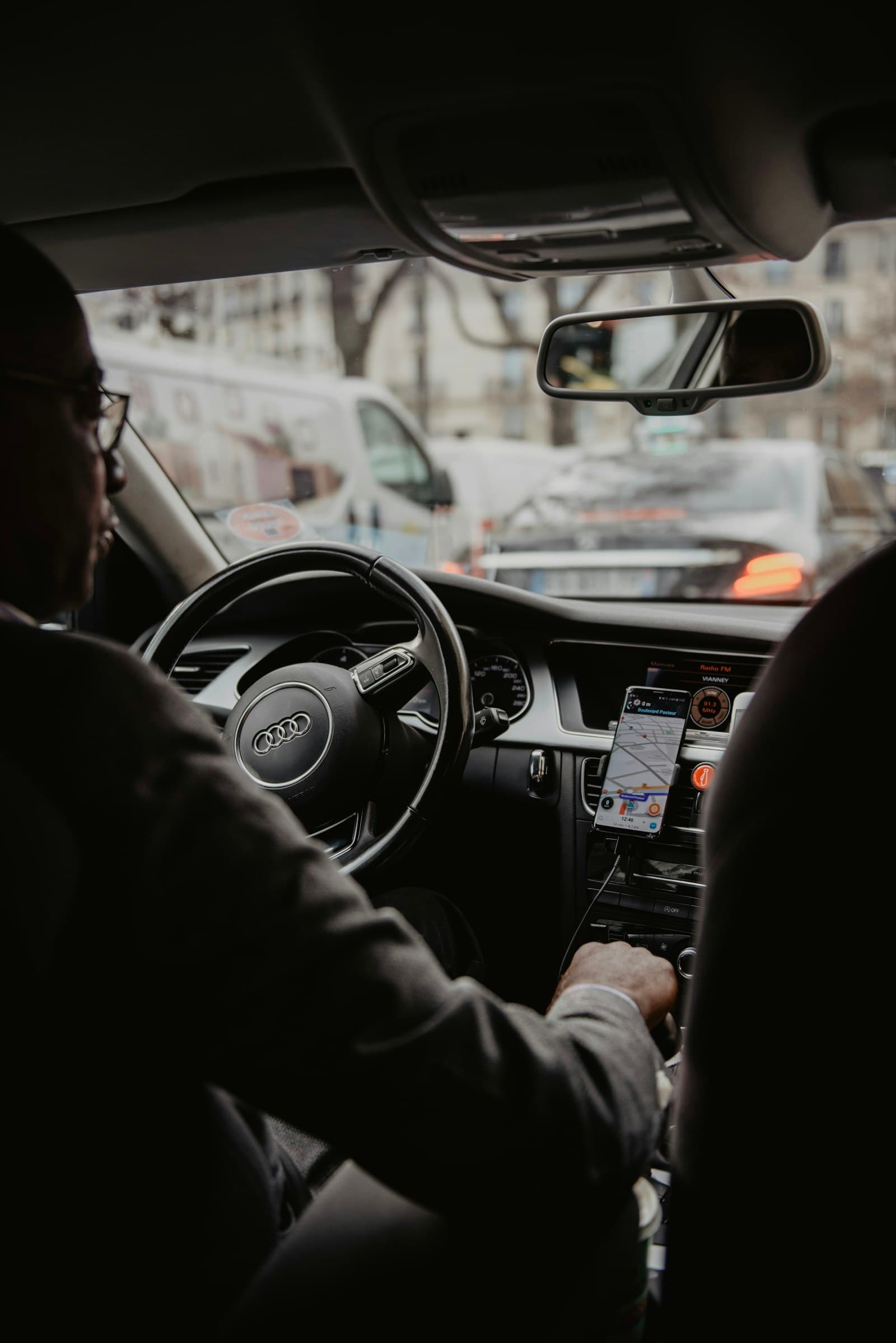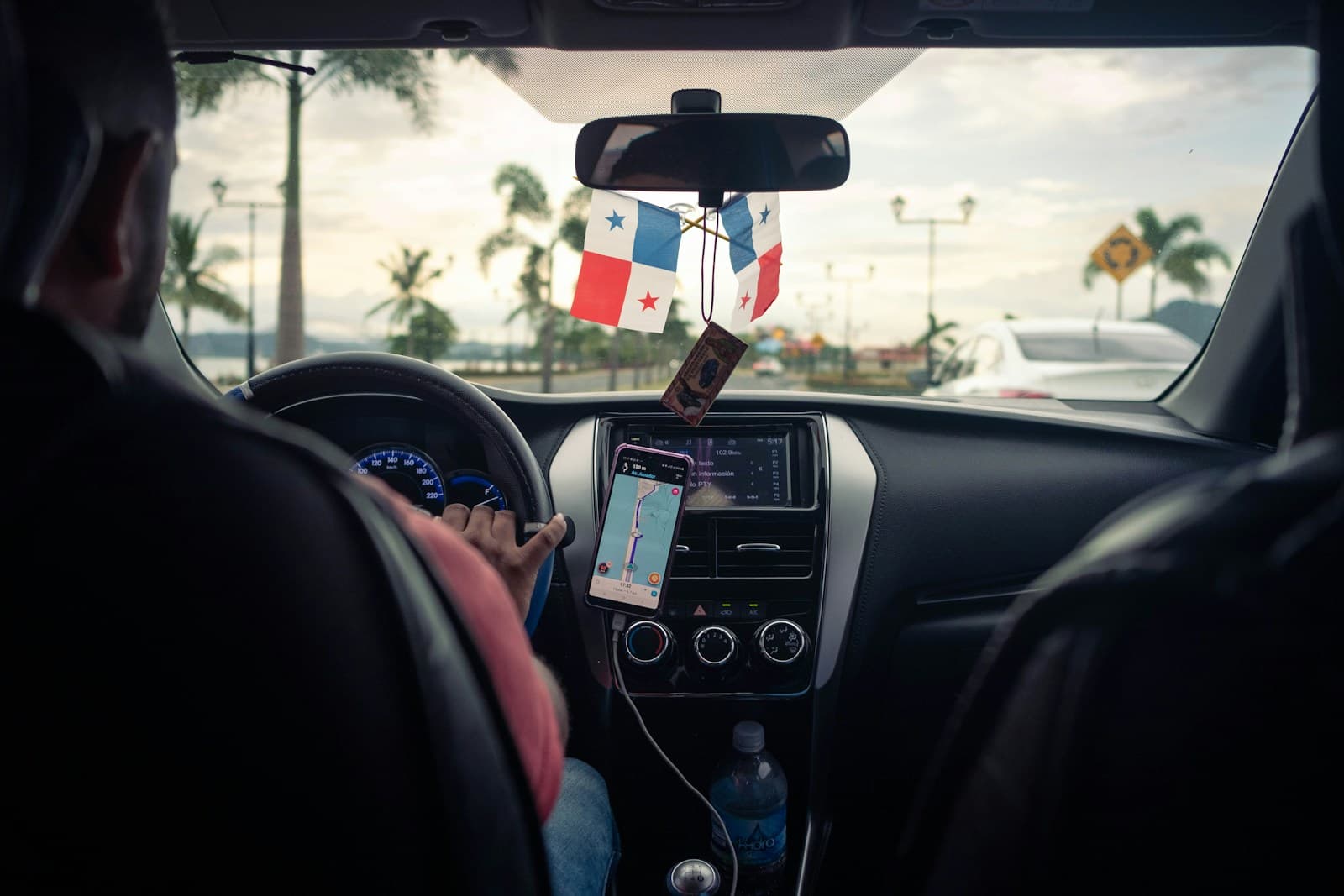
Alabama law doesn't ban rideshare or delivery work after a DUI, but Uber, Lyft, DoorDash, and Instacart all run continuous background checks that disqualify most DUI convictions for 5–7 years — longer than your SR-22 requirement.
Alabama SR-22 Ends in 3 Years — Platform Ban Lasts 5 to 7
Alabama requires SR-22 filing for 3 years after a DUI conviction, measured from your conviction date. Your SR-22 obligation ends, your license is fully reinstated, and Alabama law treats you as eligible to drive commercially.
Uber and Lyft both enforce a 7-year lookback window for DUI convictions. DoorDash enforces 7 years. Instacart enforces 5 years. Grubhub enforces 7 years. These are background check policies, not state requirements, and they don't align with Alabama's legal reinstatement timeline.
You can be legally clear to drive in Alabama and still ineligible for every major rideshare and delivery platform. The platform ban outlasts your SR-22 filing period by 2 to 4 years.
What Each Platform Checks and How Often They Run It
All major platforms use Checkr or HireRight to run continuous motor vehicle record checks. These pull directly from Alabama Law Enforcement Agency driver history, not just a one-time screening at signup.
Uber reruns background checks annually and after any new conviction. Lyft reruns checks annually. DoorDash reruns checks at least once per year. Instacart reruns quarterly in most markets. If your DUI conviction appears during any recheck within the platform's lookback window, you're deactivated immediately.
Alabama does not seal or expunge standard DUI convictions. Your conviction remains visible on your MVR permanently, which means platforms see it every time they pull your record. Some drivers assume their DUI will disappear after SR-22 ends — it does not.
Find out exactly how long SR-22 is required in your state
First-Offense vs. Aggravated DUI and How Platforms Treat Them
Alabama defines standard first-offense DUI as BAC 0.08–0.149% with no injury, minor, or property damage. Aggravated DUI includes BAC 0.15% or higher, a minor in the vehicle, injury, or property damage. Repeat-offense DUI is any second or subsequent conviction within 5 years.
Uber, Lyft, DoorDash, and Instacart do not distinguish between standard and aggravated DUI in their disqualification policies. Both trigger the same 5- to 7-year exclusion. A first-offense standard DUI with 0.09% BAC receives the same treatment as a second-offense aggravated DUI with injury.
Some drivers report shorter waiting periods after pleading to reckless driving instead of DUI. Platforms evaluate the final conviction on your record, not the original charge. If your attorney negotiated a reduction to reckless driving, the platform sees reckless driving. If the conviction stands as DUI, the platform applies the full lookback period.
SR-22 Insurance Costs More Than Platform Income Replacement
Alabama SR-22 drivers with a DUI conviction pay $140–$260/mo for liability insurance with SR-22 endorsement, depending on age, county, and conviction class. Non-standard carriers like Bristol West, Dairyland, and The General write most post-DUI SR-22 policies because mainstream carriers non-renew at term.
Full-time rideshare drivers in Birmingham or Mobile typically gross $800–$1,400/mo after fuel and platform fees. Part-time delivery drivers gross $400–$700/mo. Your SR-22 insurance premium alone consumes 15–30% of gross platform income before accounting for vehicle wear, fuel, or taxes.
If you're paying SR-22 premiums to maintain eligibility for platform work you can't legally perform for another 4 years, you're subsidizing insurance coverage with no income offset. Most drivers in this position are better off carrying non-owner SR-22 until the platform lookback period expires, then purchasing owner SR-22 when platform reapplication becomes possible.
What Happens If You Drive Rideshare During Your SR-22 Period
Alabama law does not prohibit driving for rideshare or delivery platforms during your SR-22 filing period. Your SR-22 is a compliance filing, not a license restriction. If your license is fully reinstated and you maintain continuous SR-22 coverage, you are legally permitted to drive.
Platforms prohibit you based on background check policy, not Alabama law. If you attempt to apply or reapply during your conviction's lookback window, the background check returns a disqualification. If you were already active when convicted, most platforms deactivate within 30–90 days of the next background check cycle.
Some drivers report remaining active on a platform for months after a DUI conviction. This typically means the platform has not yet rerun the background check. Once the recheck occurs, deactivation is immediate and appeals are rarely successful.
Non-Owner SR-22 Is Cheaper If You Can't Drive Platform Anyway
Non-owner SR-22 policies cost $35–$75/mo in Alabama and satisfy the state's SR-22 filing requirement without insuring a specific vehicle. This works if you don't own a car, borrow vehicles occasionally, or are waiting out a platform lookback period.
If you can't drive rideshare or delivery for another 4 years, paying $140–$260/mo for owner SR-22 coverage on a vehicle you're not using commercially is a waste. Non-owner SR-22 keeps your filing active, prevents lapses that reset your 3-year clock, and frees up $100–$185/mo.
When the platform lookback period expires and you're ready to reapply, you can switch from non-owner to owner SR-22. The switch does not reset your filing period as long as coverage remains continuous.
When You Can Reapply and What to Expect
Uber and Lyft allow reapplication 7 years from your DUI conviction date. DoorDash allows reapplication after 7 years. Instacart allows reapplication after 5 years. These timelines are conviction-date-based, not filing-date-based or reinstatement-date-based.
Your Alabama SR-22 filing ends after 3 years, but your platform eligibility window opens 5 to 7 years from conviction. You'll need standard liability insurance at reapplication — SR-22 is no longer required — but your DUI conviction still impacts your rate. Expect to pay 40–80% more than a clean-record driver even after SR-22ends.
Platforms do not guarantee approval after the lookback period expires. You must pass a new background check, vehicle inspection, and driver qualification review. If you've accumulated additional violations, accidents, or lapses during the waiting period, approval is not automatic.