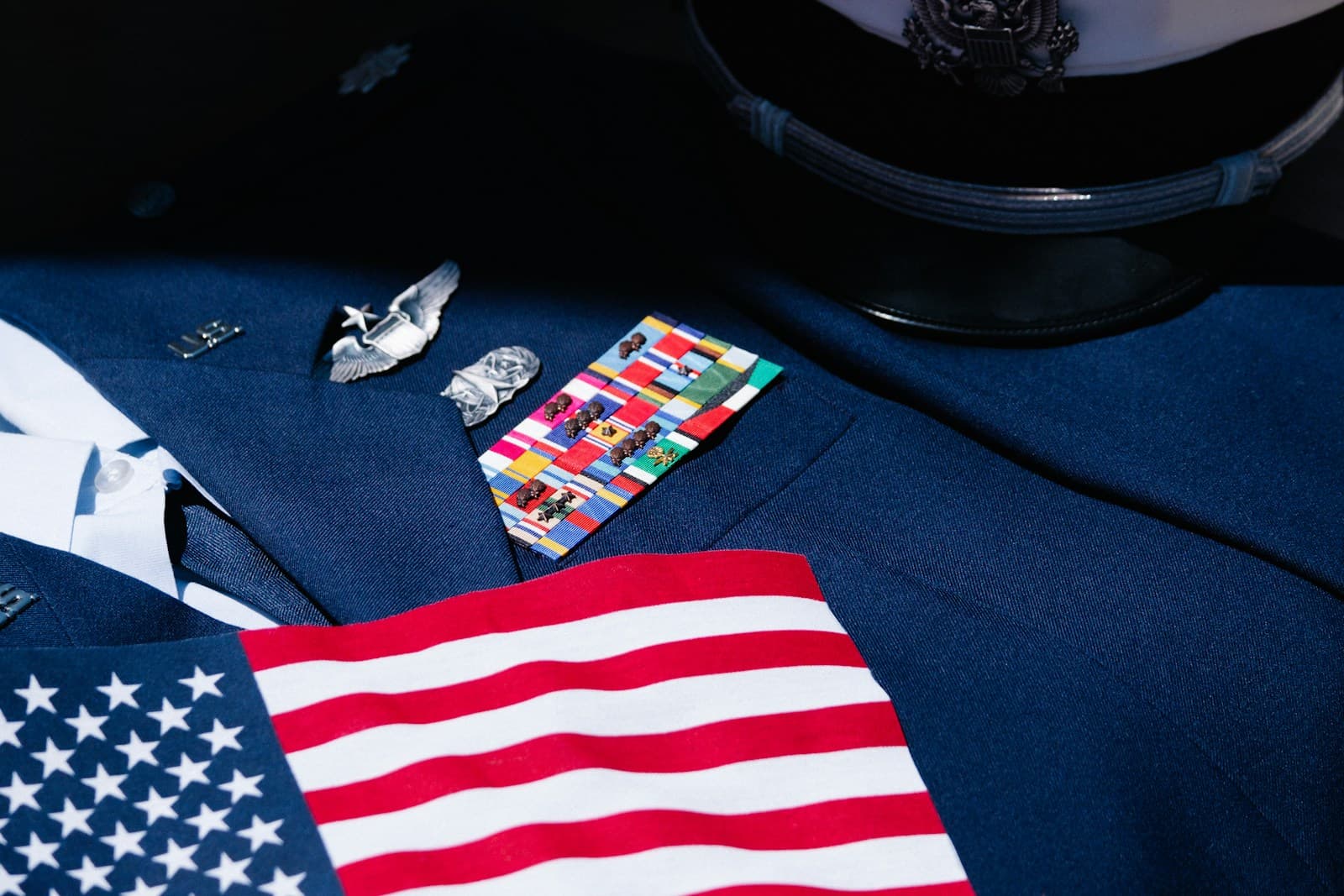
A DUI conviction in New Mexico triggers SR-22 filing and can affect your military base access. Here's what happens to your clearance, base driving privileges, and how to maintain compliance while serving.
What Happens to Your Base Access After a DUI Conviction in New Mexico
Your installation driving privileges suspend immediately when the Provost Marshal receives notice of your DUI arrest, regardless of whether the conviction is final. New Mexico state law requires SR-22 filing for 3 years after conviction, but base access suspension operates independently under military installation policy, not state traffic law.
Most installations in New Mexico (Kirtland AFB, Holloman AFB, White Sands Missile Range, Cannon AFB) impose a 12-month installation driving privilege suspension for first-offense DUI, separate from your state license status. You can reinstate your New Mexico driver license, file SR-22, and still be barred from driving on base until the installation suspension period ends and you complete required reinstallation steps through the Provost Marshal.
Your DoD security clearance is not automatically revoked by a single DUI conviction, but you must self-report the arrest within the timeframe specified by your clearance level and command. Failure to report is a separate violation that causes more clearance problems than the underlying DUI. Base pedestrian and vehicle passenger access typically continue unless your command issues separate restrictions.
How New Mexico SR-22 Filing Works for Active Duty and DoD Civilians
New Mexico requires SR-22 filing for 3 years after DUI conviction, measured from your conviction date, not your license reinstatement date. If your license suspended for 6 months, then you reinstated and filed SR-22, you still owe the full 3-year filing period from conviction — your SR-22 doesn't end 3 years after reinstatement.
Active duty service members stationed in New Mexico but claiming legal residence in another state must file SR-22 in the state where the DUI occurred (New Mexico) and also satisfy home-of-record state requirements if that state has reciprocal reporting. Most states participate in the Interstate Driver License Compact, meaning your home state will be notified of the New Mexico conviction and may impose its own SR-22 requirement even if you never drive there.
SR-22 filing costs in New Mexico run $15–$50 as a one-time carrier filing fee. Your actual insurance cost increase is the larger expense: DUI conviction typically triggers 80–150% rate increases, with monthly premiums for liability-only SR-22 policies ranging $120–$280/mo depending on your age, base location, and whether you're insuring a personal vehicle or filing non-owner SR-22. If you don't own a vehicle and only need base access restored eventually, non-owner SR-22 policies cost $30–$60/mo and satisfy New Mexico's filing requirement.
Find out exactly how long SR-22 is required in your state
Reinstating Installation Driving Privileges After Your Suspension Ends
Clearing your New Mexico SR-22 requirement does not automatically reinstate your base driving privileges. You must complete a separate reinstatement process through the installation Provost Marshal, which typically requires: proof of valid state driver license, proof of current SR-22 filing, completion of installation-specific driver safety course, payment of reinstatement fees (usually $25–$100), and command endorsement letter in some cases.
The reinstatement waiting period starts from your conviction date or the date the Provost Marshal suspended your privileges, whichever the installation uses. Kirtland AFB and Holloman AFB both use 12-month suspensions for first-offense DUI measured from conviction date, but processing reinstatement can take 2–4 weeks after you submit paperwork, so start the process 30 days before your eligibility date.
If you received your DUI off-base in a civilian jurisdiction, New Mexico courts and DMV handle your criminal case and license suspension. If you received your DUI on-base, you face dual jurisdiction: federal magistrate court for the criminal charge and state DMV for license suspension, because New Mexico is not a federal enclave state. Both processes run in parallel, and both can impose SR-22 requirements.
Which Carriers Write SR-22 Policies for Military Members in New Mexico
USAA does not write new auto policies for members with DUI convictions but will maintain existing policies and file SR-22 for current members at renewal, typically with a 90–140% rate increase. If USAA non-renews you, or if you're seeking a new policy post-DUI, you'll move to the non-standard market.
Non-standard carriers actively writing DUI-SR-22 policies in New Mexico include Dairyland, The General, Bristol West, GAINSCO, and Direct Auto. Not all operate near every base — Dairyland and The General have the widest New Mexico presence, including Albuquerque (Kirtland), Alamogordo (Holloman), and Clovis (Cannon). Monthly premiums for liability-only SR-22 coverage range $140–$260/mo for active duty members under 30; over 30 with stable duty station premiums drop to $110–$190/mo.
Geico and Progressive will file SR-22 for existing customers but almost always non-renew at the end of your current policy term. State Farm and Allstate follow the same pattern. If your current carrier agrees to file SR-22, lock in that policy term but start shopping the non-standard market 60 days before renewal so you're not scrambling when the non-renewal notice arrives.
Managing State License Requirements When You PCS Out of New Mexico
Your New Mexico SR-22 filing requirement follows you when you PCS to a new duty station. If you move to another state and establish residency there, you must transfer your SR-22 filing to that state's format and continue filing for the remainder of your 3-year period. New Mexico does not release you from the requirement early because you moved.
Some states require FR-44 instead of SR-22 (Florida and Virginia). If you PCS to Florida or Virginia, your SR-22 converts to FR-44, which mandates higher liability limits: $100,000/$300,000 bodily injury instead of the $25,000/$50,000 New Mexico minimum. Your premium will increase $40–$90/mo when you convert because you're now carrying higher limits.
If you PCS overseas (Germany, Japan, Korea), your New Mexico SR-22 requirement does not pause. You must maintain a U.S.-based SR-22 policy even if you're not driving in the United States, or your filing lapses and New Mexico re-suspends your license. Non-owner SR-22 policies solve this — they cost $35–$65/mo, require no vehicle, and keep your filing active while you're stationed overseas and driving on a SOFA license.
How DUI Affects Your Security Clearance and Command Notification
A single DUI conviction does not automatically disqualify you from holding a security clearance, but failure to report it does. Active duty members must report DUI arrests to their command and security manager within 24–72 hours depending on service branch and clearance level. DoD civilians and contractors must report within the timeframe specified in their SF-86 certification, typically within 3 days of the arrest.
Your clearance adjudication depends on the circumstances: first-offense standard DUI with BAC under 0.15% and no accident typically results in a clearance warning or additional periodic review, not revocation. Aggravated DUI (BAC over 0.16% in New Mexico), refusal to test, DUI with injury, or second offense within 7 years triggers formal adjudication and possible suspension pending review.
The Provost Marshal's office reports installation DUI arrests to your command automatically. Off-base arrests in Albuquerque, Las Cruces, or Alamogordo are reported when the civilian jurisdiction runs your military ID during booking. Attempting to hide the arrest and waiting for your command to find out independently is the single worst decision you can make for your clearance — self-reporting limits the damage, concealment guarantees it.
Cost and Timeline to Get Back on Base After DUI in New Mexico
Total compliance cost for a first-offense DUI with SR-22 in New Mexico runs $4,500–$8,500 over 3 years. This includes: court fines and fees ($800–$1,500), DWI school ($300–$450), SR-22 insurance premium increase over 3 years ($2,800–$5,200 above your previous rate), ignition interlock device if required by court ($900–$1,400 for 6–12 month installation), license reinstatement fee ($100), and installation driving privilege reinstatement fee ($25–$100).
Your timeline to full base driving access: New Mexico license suspends for 6 months minimum for first-offense DUI (12 months if you refused breath test). Installation driving privileges suspend for 12 months from conviction. If both suspensions start on the same date, your state license reinstates first, then 6 months later you're eligible to apply for base reinstatement. Processing your installation reinstatement takes 2–4 weeks after you submit complete paperwork.
SR-22 filing must remain active for 3 years from conviction date. If your SR-22 lapses even one day because you missed a payment or switched carriers without overlapping coverage, New Mexico re-suspends your license immediately and your 3-year clock resets to zero. Set up automatic payment and notify your carrier 45 days in advance if you're PCSing so they can transfer your policy without a coverage gap.