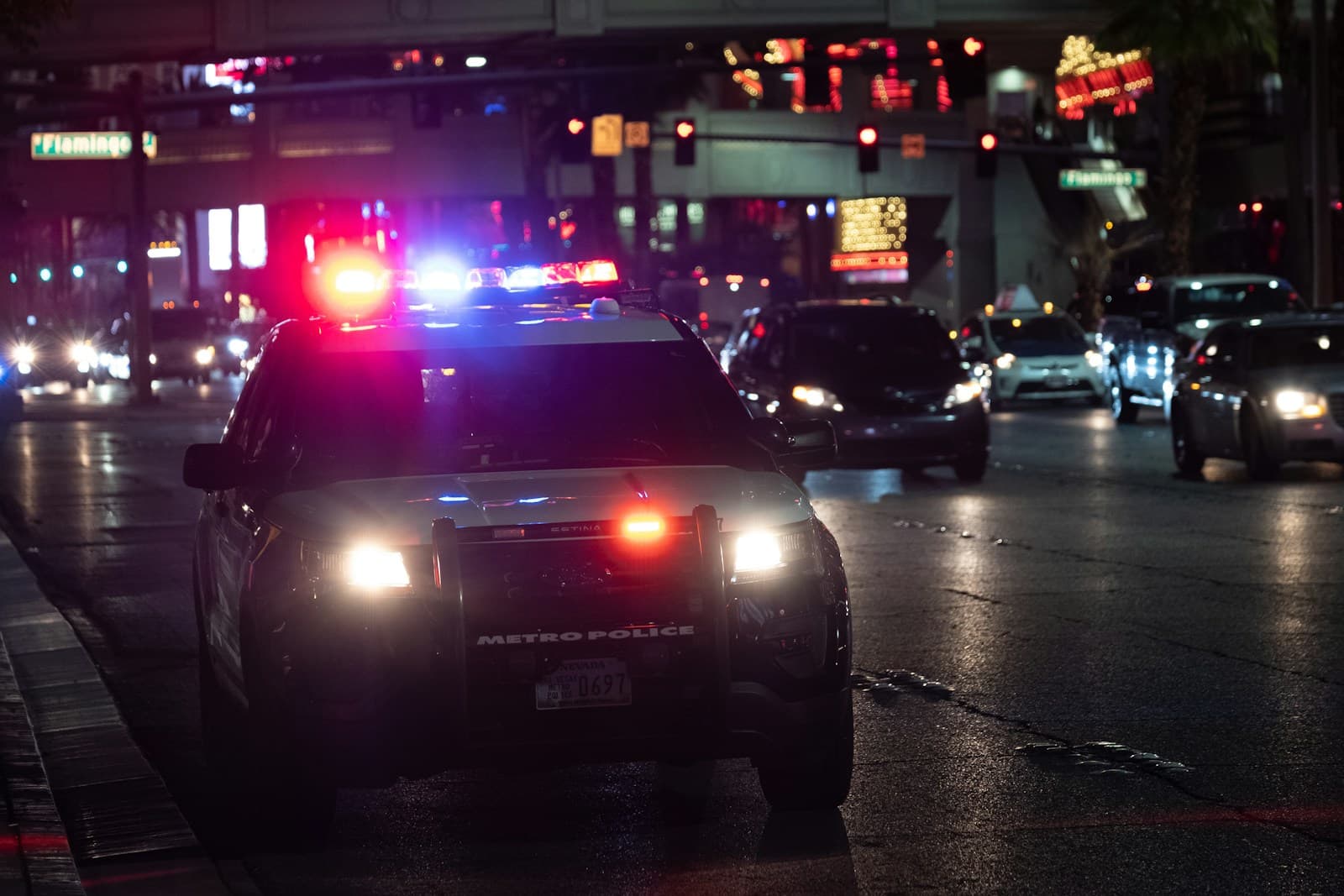
A DUI triggers both Nebraska SR-22 filing and base commander notification. Installation access can suspend before your civilian license does, and SR-22 lapses trigger both DMV and military consequences.
Nebraska SR-22 Filing Requirements After a Military Member DUI
Nebraska requires SR-22 filing for 3 years after a DUI conviction, measured from the conviction date regardless of when you file. If you hold a Nebraska license and receive a DUI conviction in another state while stationed away, Nebraska still enforces the 3-year requirement once notified through the interstate Driver License Compact.
Military members must file SR-22 before license reinstatement and maintain continuous coverage for the full period. A single day of lapse resets your 3-year clock to zero. Nebraska DMV does not distinguish between active duty and civilian filers — the timeline and compliance standards are identical.
Your SR-22 must be filed by a carrier licensed in Nebraska. If you're stationed out of state, you need a carrier that writes policies in both your duty station state and Nebraska, or you need to maintain a non-owner SR-22 policy through a Nebraska-licensed carrier while carrying regular auto insurance at your duty station. Most military members choose the latter to avoid coverage gaps during PCS moves.
How Base Access Suspension Works Alongside Nebraska DMV Action
Base commanders receive automatic notification of DUI arrests and convictions through local law enforcement partnerships and NCIC cross-checks. Installation access suspension typically begins 5–10 business days after arrest, before any Nebraska DMV administrative action. You lose driving privileges on base even if your civilian license remains valid pending court resolution.
Nebraska DMV administrative license suspension for DUI begins 15 days after arrest if you fail or refuse breath testing. If you're stationed at Offutt AFB or another Nebraska installation, you're managing two overlapping timelines: military administrative action that affects base access immediately, and civilian DMV action that triggers SR-22 filing requirements after conviction.
Base driving privileges reinstatement requires proof of SR-22 filing and completion of base-mandated alcohol education programs. Nebraska DMV reinstatement requires SR-22 filing, court-ordered DUI education, reinstatement fees, and satisfaction of any court-imposed driving restrictions. Both systems must be satisfied independently — clearing one does not automatically clear the other.
Find out exactly how long SR-22 is required in your state
SR-22 Insurance Carrier Options for Military Members in Nebraska
USAA and Navy Federal do not write SR-22 policies in Nebraska or any other state. Most military members assume their existing military-affiliated carrier will file SR-22 after a DUI — they will not. USAA refers DUI-SR-22 customers to the civilian non-standard market.
Carriers that write SR-22 policies for military members in Nebraska include Progressive, Dairyland, The General, Bristol West, and GAINSCO. Monthly premiums for SR-22 coverage after a DUI in Nebraska range from $180–$320/mo depending on conviction class, age, and prior driving history. First-offense standard DUI rates lower than aggravated DUI (BAC over 0.15, refusal, or minor in vehicle).
Estimates based on available industry data; individual rates vary by driving history, vehicle, coverage selections, and location. If you're stationed out of state but hold a Nebraska license, confirm the carrier writes policies in both states or consider a non-owner SR-22 policy to satisfy Nebraska's filing requirement while maintaining separate coverage at your duty station.
What Happens If SR-22 Lapses While You're Deployed or on TDY
Nebraska DMV does not grant deployment exemptions or extensions for SR-22 filing requirements. If your policy lapses during deployment, your SR-22 compliance period resets to zero and Nebraska suspends your license immediately. Most military members discover this after returning from deployment and attempting to renew registration or update their license.
Carriers are required to notify Nebraska DMV within 10 days of policy cancellation or lapse. The notification is automatic and does not wait for you to return stateside. Your base commander also receives notification of the license suspension, which can trigger additional administrative action even if you were not driving during the lapse period.
Before deploying, confirm your SR-22 policy is paid in full for the deployment duration or arrange automatic payment from a stateside account. Some carriers offer military suspension endorsements that pause coverage during deployment without canceling the policy, but these do not satisfy Nebraska SR-22 requirements — you must maintain active coverage or face reset. If you cannot maintain a personal vehicle policy during deployment, switch to a non-owner SR-22 policy before your regular policy cancels.
Filing SR-22 Before License Reinstatement and Installation Access Restoration
Nebraska requires SR-22 on file before you can apply for license reinstatement. You cannot reinstate first and file later. The SR-22 certificate must be submitted to Nebraska DMV along with proof of DUI education completion, reinstatement fees ($125 for first DUI administrative suspension), and court clearance documentation.
Base access restoration requires separate documentation submitted to your installation provost marshal or security forces squadron: proof of SR-22 filing, completion of base-required alcohol education (typically ASAP or IMPACT), commander endorsement, and updated vehicle registration showing continuous insurance. Processing timelines vary by installation but typically take 10–15 business days after all documentation is submitted.
Most military members regain base driving privileges 3–6 weeks after DUI conviction if all requirements are completed without delay. Nebraska civilian license reinstatement timelines run parallel but independently — clearing one does not automatically clear the other. You need both processes complete to legally drive on and off base.
PCS Moves and Interstate SR-22 Transfer Rules for Nebraska Filers
Nebraska's 3-year SR-22 requirement follows you to your new duty station if you maintain a Nebraska license. If you PCS to another state and transfer your license to that state, the receiving state's DMV determines whether your SR-22 requirement continues and for how long. Most states honor the remaining balance of Nebraska's 3-year requirement, but some impose their own filing period based on local DUI laws.
If you PCS from Nebraska to a state that does not require SR-22 for out-of-state DUI convictions, you still cannot drop coverage until Nebraska's 3-year period ends if you return to Nebraska or plan to transfer your license back. Dropping SR-22 before the full period is satisfied triggers immediate license suspension in Nebraska, which can follow you through the interstate Driver License Compact.
Before PCS, contact the gaining state's DMV and confirm SR-22 transfer rules. Arrange new SR-22 coverage through a carrier licensed in the gaining state before your Nebraska policy cancels. Most carriers provide 30-day transfer windows, but gaps still trigger Nebraska DMV notification and reset your compliance clock. If you're PCSing to Florida or Virginia, note that those states require FR-44 filing instead of SR-22 — different form, higher liability limits, and Nebraska does not accept FR-44 as equivalent.