You just got your SR-22 requirement after a DUI conviction in Ohio and every carrier is quoting you double what you used to pay. Dropping to liability-only cuts your monthly premium in half — but leaves you exposed to personal liability that can cost far more than the coverage you skipped.
What liability-only SR-22 actually covers after a DUI in Ohio
Liability-only SR-22 in Ohio meets your filing requirement and covers damage you cause to other people and their property — nothing more. Ohio requires $25,000 per person injured, $50,000 per accident for injuries, and $25,000 for property damage. Your SR-22 certificate proves you carry at least these minimums, which satisfies the BMV reinstatement condition after your DUI.
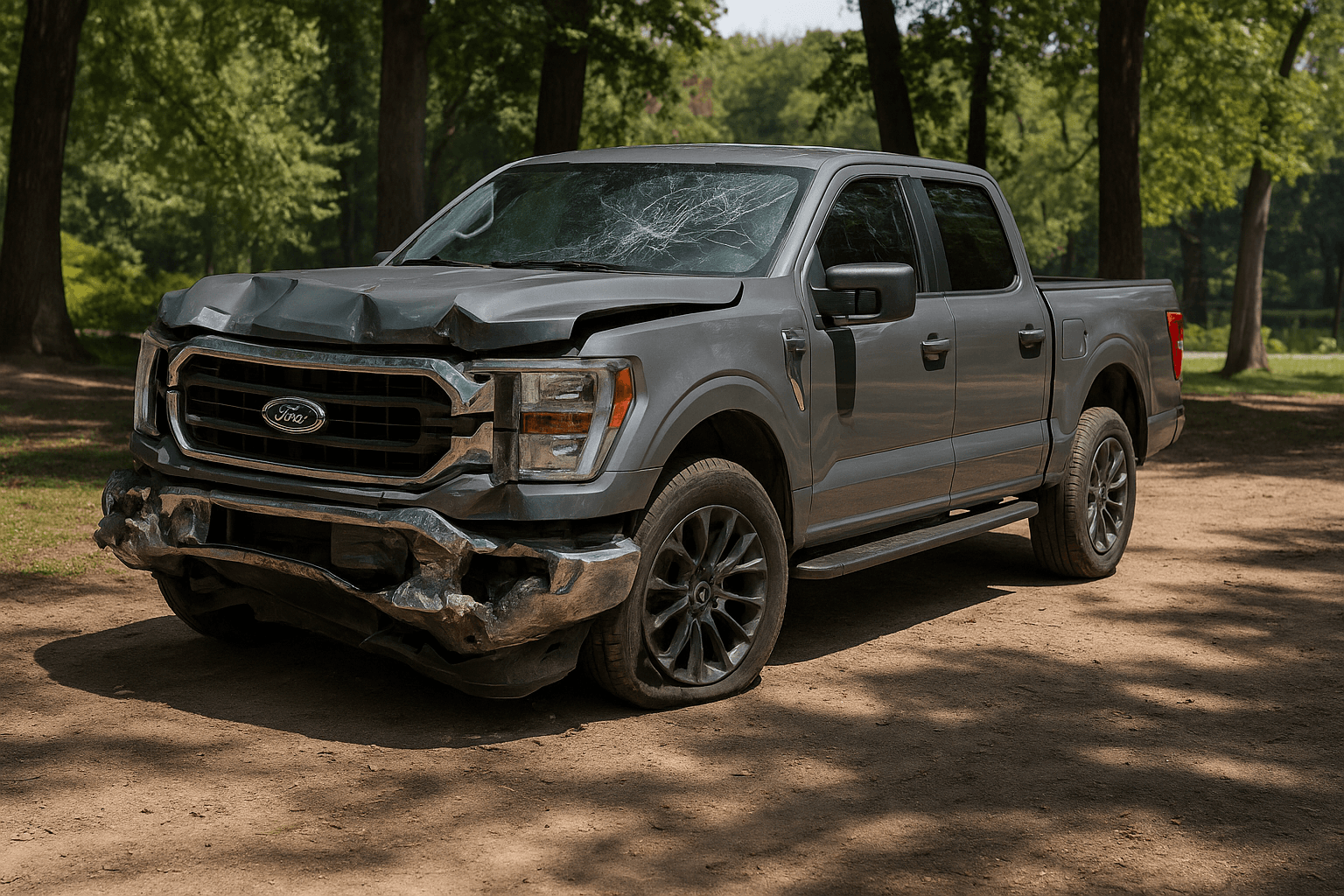
Your vehicle damage is not covered. If you cause an accident during your three-year filing period, liability pays the other driver's repairs and medical bills up to your policy limits. Your own car repairs, your own medical bills, theft, vandalism, hail damage — you pay out of pocket. For a driver financing a $22,000 sedan, one at-fault accident means paying the loan on a totaled car while buying another one to maintain your SR-22.
Ohio does not require collision or comprehensive coverage by law, even with an SR-22 filing. Your lender does. If you finance or lease your vehicle, your loan contract requires full coverage until the loan is paid off. Dropping to liability-only violates that contract, triggers a lender-placed policy at triple the cost, and can result in repossession.
Monthly cost difference between liability-only and full coverage SR-22 in Ohio
Liability-only SR-22 after a DUI in Ohio typically costs $110–$180 per month with non-standard carriers like The General, Dairyland, or GAINSCO. Full coverage with collision and comprehensive on the same policy runs $260–$420 per month. The $150–$240 monthly savings is real — but so is the exposure.
A driver carrying a $15,000 vehicle on liability-only who causes an accident owes that $15,000 out of pocket if the car is totaled. Collision coverage costs roughly $80–$120 more per month. Over three years, you pay $2,880–$4,320 in extra premiums. One at-fault accident without it costs the full replacement value of the vehicle plus the gap between your loan balance and the car's actual cash value if you owe more than it's worth.
Rate increases stack during your SR-22 period. A DUI conviction already raised your base premium 90–140% over clean-record rates in Ohio. Adding an at-fault accident during your filing period triggers another 40–70% increase at renewal and extends your high-risk classification another three years from the accident date. Carriers writing post-DUI SR-22 policies do not forgive at-fault accidents the way standard-market insurers sometimes do.
Find out exactly how long SR-22 is required in your state
When liability-only makes sense and when it leaves you financially exposed
Liability-only SR-22 works for Ohio drivers who own an older vehicle outright worth less than $5,000 with no loan and enough savings to replace it if totaled. If your car is worth $3,200 and collision coverage costs $95 per month, you pay $3,420 over three years to insure a $3,200 asset. The math favors self-insurance in that scenario.
Full coverage is necessary if you finance your vehicle, lease it, or cannot afford to replace it out of pocket after an at-fault accident. Ohio SR-22 filers post-DUI are already managing court costs, reinstatement fees, ignition interlock lease payments if required, and DUI education program costs. Adding a $12,000 unplanned vehicle replacement expense during that period creates a financial crisis most households cannot absorb.
Carriers will not warn you about this gap. Non-standard insurers profit whether you buy liability-only or full coverage — they collect premiums either way and pay claims only when legally required. The decision is yours, but it must account for the full three-year SR-22 filing window and the realistic probability of causing an accident during that time as a driver in Ohio's high-density metro corridors and winter weather conditions.
How Ohio lenders and the BMV treat liability-only SR-22 policies differently
The Ohio BMV accepts liability-only SR-22 for reinstatement after a DUI conviction as long as the policy meets state minimum limits. Your SR-22 certificate lists your coverage types, and the BMV verifies only that liability coverage is active and continuous for 36 months from your reinstatement date. Dropping collision or comprehensive does not affect your filing compliance.
Your lender does not accept liability-only if you signed a loan or lease contract requiring full coverage. That contract obligates you to carry collision and comprehensive until the vehicle is paid off, regardless of state law. If you drop to liability-only while financing, the lender receives a lapse notification from your insurer, purchases a forced-place policy charging $200–$400 per month, and bills you for it. That policy protects the lender's interest in the vehicle, not yours — you remain personally liable for all damage.
Resolving a lender-placed policy requires reinstating full coverage, providing proof to the lender, and often paying a reinstatement fee. Some lenders declare the loan in default and accelerate the full balance due immediately. If you cannot pay, they repossess the vehicle. Losing your vehicle during your SR-22 period creates a new problem: Ohio requires continuous SR-22 for three years, but you now have no car to insure. Switching to a non-owner SR-22 policy is possible, but it costs $40–$70 per month and does not help you get to work or meet probation check-ins.
What happens if you cause an accident on liability-only SR-22 in Ohio
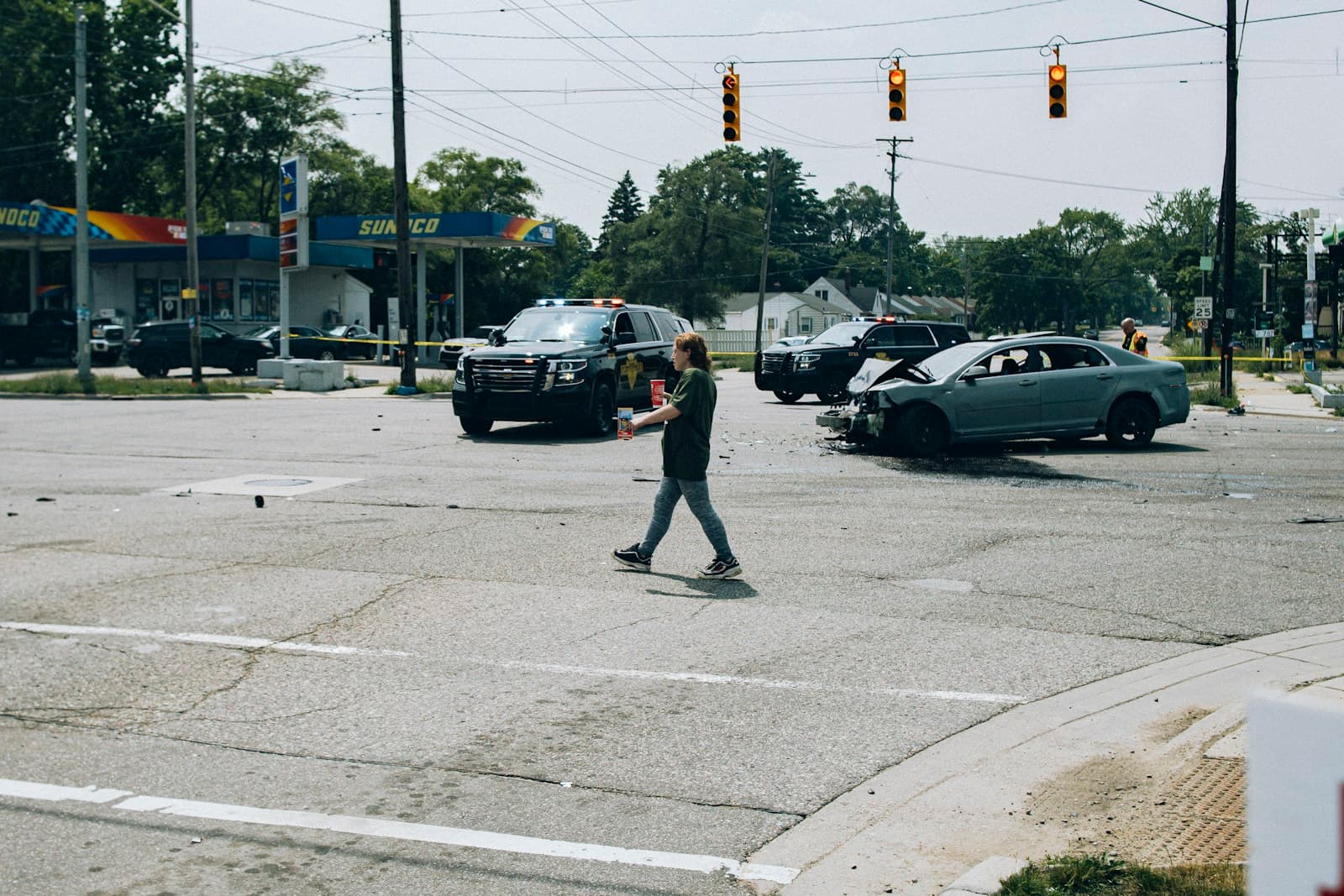
You cause an at-fault accident during your SR-22 period on a liability-only policy in Ohio. Your liability coverage pays the other driver's vehicle repairs and medical bills up to your policy limits — $50,000 per accident for injuries, $25,000 for property damage under state minimums. Your vehicle damage is your responsibility. A totaled $14,000 sedan costs you $14,000 out of pocket, plus towing, plus storage fees, plus rental costs while you shop for a replacement.
If the other driver's damages exceed your liability limits, you pay the difference personally. Rear-ending a new truck causing $38,000 in repairs and $25,000 in medical bills totals $63,000 in damages. Your $50,000 injury limit and $25,000 property limit cover $75,000 maximum — but Ohio's property damage limit caps at $25,000, leaving you liable for $13,000 in property damage alone. The injured driver can sue you for the excess, garnish wages, and place liens on assets. Bankruptcy is common in these scenarios.
Your SR-22 requirement does not end early because of a second accident. Ohio measures the three-year filing period from your license reinstatement date, and a new at-fault accident does not reset that clock — but it does reset your high-risk status with carriers. Most non-standard insurers non-renew policies after a second chargeable event within three years, forcing you into the assigned risk pool where premiums run $400–$650 per month for liability-only coverage.
How to compare liability-only and full coverage SR-22 quotes in Ohio accurately
Request quotes for both liability-only and full coverage SR-22 from at least three non-standard carriers writing post-DUI policies in Ohio: The General, Dairyland, GAINSCO, Bristol West, or Acceptance. Provide identical information for each quote — same vehicle, same address, same coverage start date — and ask for monthly premium breakdowns showing the base policy cost, SR-22 filing fee, and collision/comprehensive premiums separately.
Compare the per-month cost difference against your vehicle's actual cash value and your ability to replace it without financing. A $180 monthly liability-only premium versus a $340 full coverage premium is a $160 difference. Over three years, that's $5,760 in savings. If your vehicle is worth $8,000 and you have $8,000 in accessible savings, liability-only may be rational. If your vehicle is worth $18,000 and you have $2,000 in savings, full coverage is necessary.
Verify lender requirements in writing before making changes. Call your lender's insurance verification department, provide your loan number, and ask whether your contract requires collision and comprehensive coverage. Do not rely on what you think you remember from signing paperwork two years ago. If full coverage is required and you switch to liability-only, you will know within 15 days when the forced-place notice arrives.
Non-standard carriers in Ohio that write liability-only SR-22 after DUI
The General, Dairyland, GAINSCO, Bristol West, and Acceptance write liability-only SR-22 policies for Ohio drivers with DUI convictions. State Farm, Geico, Allstate, and Progressive will file SR-22 for existing customers post-DUI but typically non-renew at the end of the policy term, and most will not write new policies for drivers with DUI convictions less than three years old.
Non-standard carriers price liability-only SR-22 individually based on your conviction date, BAC level if disclosed in court records, prior insurance history, and county of residence. Hamilton County and Cuyahoga County residents pay 15–25% more than drivers in rural counties due to claim frequency and fraud rates. A first-offense standard DUI with no prior lapses generally qualifies for lower tier pricing; aggravated DUI, refusal, or repeat offense pushes you into higher tiers with monthly premiums $40–$80 higher.
Some non-standard carriers require full coverage even when Ohio law does not. Bristol West and Acceptance sometimes mandate collision and comprehensive on financed vehicles regardless of lender requirements as a condition of writing the policy. If you own your vehicle outright and want liability-only, confirm during the quote process that the carrier will bind the policy without collision coverage before providing payment.