You got SR-22 filing orders after your DUI in North Carolina and need coverage fast — but you're deciding between liability-only at $180/mo or full coverage at $340/mo. Here's what actually makes sense for your situation.
What SR-22 Filing Requires in North Carolina After a DUI
North Carolina requires SR-22 filing for 3 years following a DUI conviction, measured from your license reinstatement date. The SR-22 itself is a certificate your insurer files with the NC DMV proving you carry at least the state minimum liability coverage: $30,000 bodily injury per person, $60,000 per accident, and $25,000 property damage. The state does not require you to carry collision or comprehensive coverage to satisfy SR-22.
That legal minimum creates a gap most DUI drivers discover only after calling for quotes: North Carolina law allows liability-only SR-22, but most carriers writing post-DUI policies in the non-standard market require full coverage as a condition of acceptance. Bristol West, The General, and GAINSCO typically impose full coverage requirements for any DUI filed within the past 36 months, regardless of vehicle loan status. Progressive and Dairyland occasionally write liability-only SR-22 for first-offense DUI if the vehicle is owned outright, but acceptance varies by county and conviction class.
If you financed or leased your vehicle, your lender requires full coverage regardless of SR-22 rules. The collision and comprehensive coverage protects the lender's collateral, not your compliance obligation. That makes the decision automatic for most post-DUI drivers in North Carolina — you're carrying full coverage because the lienholder mandates it, and the SR-22 filing attaches to whatever policy you can get approved for.
What Liability-Only SR-22 Costs After a DUI in North Carolina
Liability-only SR-22 after a first-offense DUI in North Carolina typically runs $145–$215 per month through non-standard carriers, plus a one-time $50 SR-22 filing fee. That assumes state minimum limits, a driver aged 30–50, and no additional violations in the past 3 years. High-BAC DUI convictions (0.15% or above) or aggravated circumstances push rates toward $230–$280 monthly even for liability-only coverage.
Repeat-offense DUI moves you into assigned risk territory in most cases. North Carolina operates a reinsurance facility rather than a traditional assigned risk pool, but the functional outcome is the same: your policy costs 50–90% more than voluntary market rates. Liability-only SR-22 for a second DUI typically costs $290–$410 per month, and very few carriers write it voluntarily. Safe Auto and Acceptance occasionally accept repeat DUI with liability-only coverage if the prior conviction is older than 5 years, but approval is county-specific.
The $50 SR-22 filing fee applies once at policy inception. If your policy lapses or cancels for nonpayment, the carrier notifies the DMV immediately, your license suspends, and you pay the filing fee again when you reinstate. North Carolina does not allow grace periods for SR-22 lapses — one day without active filing triggers suspension, and you restart your 3-year filing clock from the new reinstatement date.
Find out exactly how long SR-22 is required in your state
What Full Coverage SR-22 Costs and What It Actually Covers
Full coverage SR-22 after a DUI in North Carolina typically costs $280–$420 per month for a first-offense conviction with standard circumstances. That includes state minimum liability, collision with a $1,000 deductible, and comprehensive with a $500 deductible. The rate assumes a 2015–2020 vehicle valued under $18,000 and a driver aged 30–50 with no other violations in the past 3 years. High-BAC or aggravated DUI pushes full coverage SR-22 toward $450–$580 monthly.
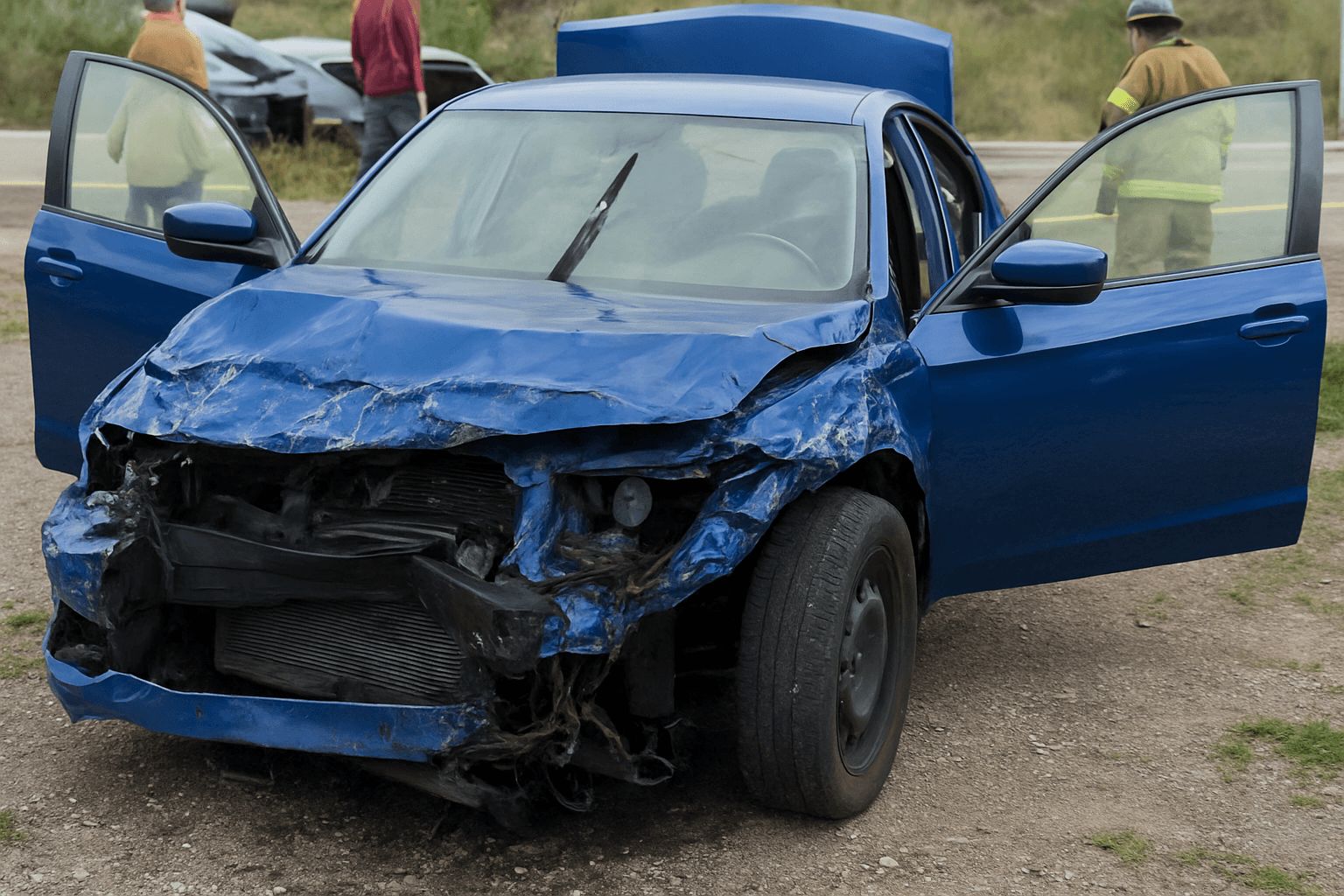
Full coverage means your insurer pays to repair or replace your vehicle after an at-fault accident (collision) or non-collision event like theft, hail, or hitting a deer (comprehensive). Liability-only leaves you paying out-of-pocket for all vehicle damage you cause in an at-fault crash, and it covers nothing if another driver hits you and has no insurance or inadequate limits. Uninsured motorist coverage costs an additional $18–$35 per month in North Carolina and is not included in base liability-only quotes.
Non-standard carriers writing post-DUI full coverage in North Carolina include Bristol West, Dairyland, GAINSCO, The General, Direct Auto, and Kemper. Progressive writes some post-DUI policies but typically non-renews at the first term. State Farm, Geico, and Allstate will file SR-22 for existing customers but almost never write new policies for drivers with DUI convictions less than 5 years old. Availability varies by county — Mecklenburg, Wake, and Guilford counties have broader carrier access than rural markets.
When Liability-Only Makes Sense After a DUI
Liability-only SR-22 makes financial sense if you own your vehicle outright, the vehicle is worth less than $4,000, and you can absorb the total loss if you cause an accident or the car is stolen. A 2008 sedan valued at $2,800 does not justify paying an extra $135 per month for full coverage when the annual premium exceeds the vehicle's replacement value. You're better off banking that $135 monthly and self-insuring the vehicle risk.
You also need a non-standard carrier willing to write liability-only post-DUI, and that pool is smaller in North Carolina than most drivers expect. If you're quoted $180/mo for liability-only but the only carrier offering approval requires full coverage at $340/mo, the theoretical savings disappear. Most post-DUI drivers in North Carolina discover their actual choice is full coverage from a non-standard carrier or no coverage at all, which means license suspension and a reset SR-22 clock.
Liability-only also makes sense if you're filing SR-22 on a non-owner policy because you don't have regular access to a vehicle. Non-owner SR-22 satisfies North Carolina's filing requirement and costs $45–$85 per month after a DUI, significantly less than any vehicle-attached policy. This works if you sold your car, use rideshare or public transit, and need SR-22 only to reinstate your license and preserve future insurability.
When Full Coverage Is Worth Paying For
Full coverage makes sense if your vehicle is worth more than $6,000, you depend on it for work or family logistics, and you cannot afford to replace it out-of-pocket after a total loss. A financed 2020 vehicle with a $12,000 payoff and a $340/mo full coverage SR-22 premium is expensive, but losing the vehicle in an at-fault crash and still owing the loan is financially catastrophic. The collision and comprehensive coverage cap your maximum loss at the deductible amount, typically $1,000.
North Carolina is a contributory negligence state, meaning if you share any fault in an accident — even 1% — you cannot recover damages from the other driver. That makes uninsured and underinsured motorist coverage particularly valuable. Approximately 1 in 8 North Carolina drivers operates without insurance, and contributory negligence rules mean you're covering your own vehicle damage in many scenarios where other states would allow recovery. Full coverage with UM/UIM protection reduces your exposure in multi-vehicle crashes where fault is disputed.
Full coverage also makes sense if you're in a high-theft or high-weather-risk county. Mecklenburg County reports over 4,200 vehicle thefts annually, and comprehensive coverage pays the actual cash value of your vehicle if it's stolen and not recovered. Coastal counties face hurricane and flooding risk — comprehensive covers flood damage that liability-only ignores entirely. If your vehicle is parked outdoors in Wilmington or Jacksonville, the risk justifies the premium for most drivers.
How to Switch Coverage Levels During Your SR-22 Period
You can switch from full coverage to liability-only anytime during your 3-year SR-22 filing period in North Carolina as long as your carrier allows it and you have no lienholder blocking the change. Call your insurer, request the coverage reduction, and confirm they will maintain continuous SR-22 filing through the transition. The SR-22 certificate does not lapse when you reduce coverage — it updates to reflect the new liability-only policy, and the filing continues without interruption.
Switching carriers mid-filing period works the same way: your new insurer files a new SR-22 with the NC DMV on your policy effective date, and your old insurer cancels their filing. You must maintain zero-gap coverage — if even one day passes between the old policy cancellation and the new policy effective date, the DMV receives a lapse notice, your license suspends, and your 3-year SR-22 clock resets to zero from the new reinstatement date. Most non-standard carriers require payment in full or a 40–50% down payment before binding coverage, so plan your switch with enough lead time to avoid a gap.
Switching from liability-only to full coverage is always allowed and usually processable the same day you call. Switching from full coverage to liability-only often requires underwriting review, particularly if your DUI conviction is less than 18 months old or you've had claims during the current policy term. Some non-standard carriers write post-DUI policies with a full-coverage-required endorsement for the first 12–24 months, and that endorsement is non-negotiable until it expires.
What Happens If You Drop Coverage During Your SR-22 Period
If your auto insurance policy cancels or lapses for any reason during your 3-year SR-22 filing period, your carrier notifies the North Carolina DMV within 10 days. The DMV suspends your license immediately, and you cannot reinstate until you pay a $50 restoration fee, file proof of insurance with a new SR-22 certificate, and restart your 3-year filing clock from the new reinstatement date. There is no grace period, no warning letter, and no appeal process for SR-22 lapses in North Carolina.
Nonpayment is the most common lapse trigger. Non-standard carriers typically allow a 10-day payment grace period before cancelling for nonpayment, but once cancellation processes, the SR-22 filing terminates and the DMV receives the lapse notice the same day. If you're 12 months into your 3-year SR-22 requirement and miss a payment that results in cancellation, you lose all 12 months of filing credit and start over at zero once you reinstate.
You also cannot cancel your policy to "take a break" from driving and resume SR-22 later without penalty. North Carolina requires continuous SR-22 filing for the full 3-year period measured from reinstatement, not from conviction. If you cancel your policy 18 month into the filing period, move out of state, or stop driving, your SR-22 filing ends, the DMV suspends your license, and the 3-year clock resets when you return and reinstate. The only exception is military deployment — active duty service members can request a filing suspension, but it requires documentation and DMV approval before cancelling coverage.