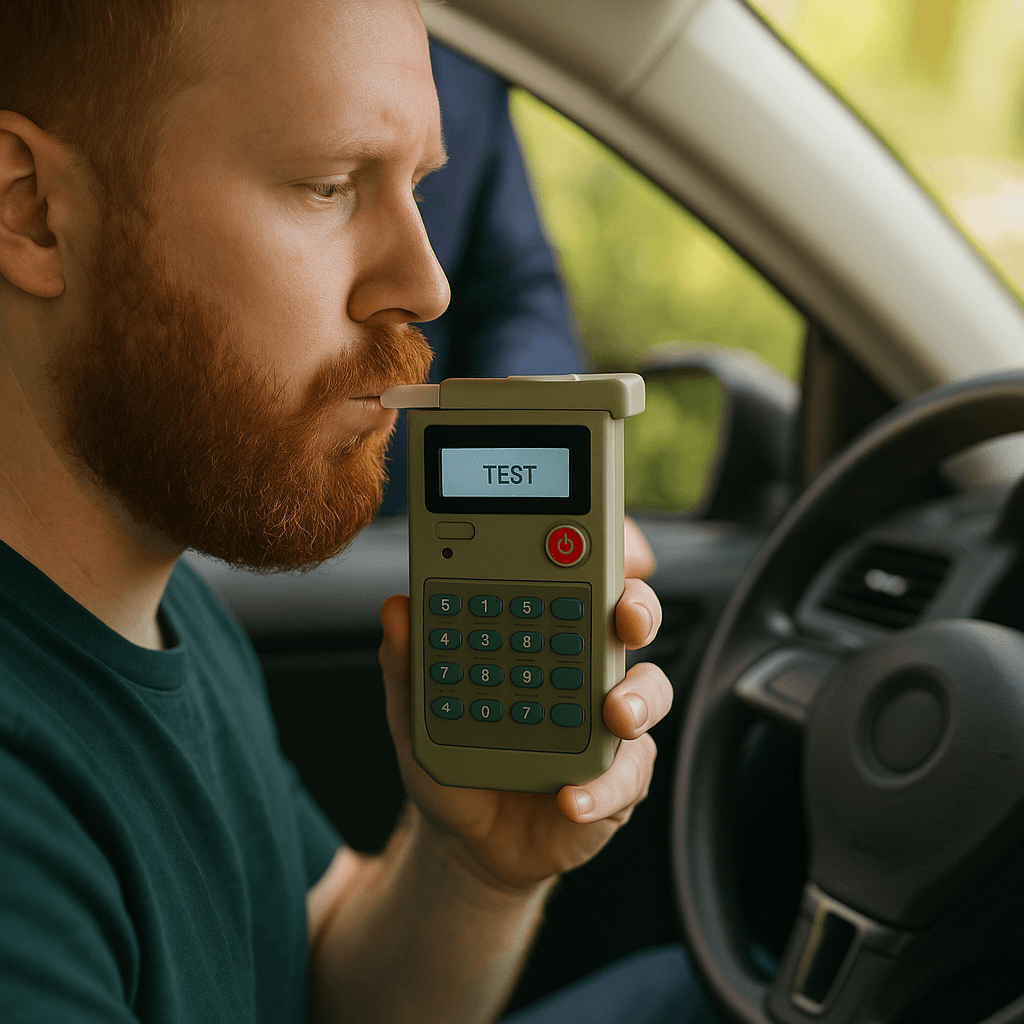
Maine law requires only liability coverage with your SR-22, but going liability-only after a DUI creates a hidden reinstatement risk most drivers don't see until they cause another accident.
What Maine Law Actually Requires During SR-22 Filing
Maine requires only liability coverage when you file SR-22 after a DUI conviction. The state's minimum liability limits are 50/100/25 — $50,000 bodily injury per person, $100,000 per accident, and $25,000 property damage. Your SR-22 certificate proves you carry at least this much coverage, and the Bureau of Motor Vehicles monitors continuous coverage for the full 3-year filing period.
Full coverage — the combination of liability, collision, and comprehensive — is not legally mandated during your SR-22 period. No Maine statute requires you to insure your own vehicle for damage. If you own your car outright with no lien, you can legally drive with liability-only coverage from the day your license is reinstated until your SR-22 filing period ends.
The legal minimum and the financially safe choice are not the same thing. Maine's financial responsibility laws create a secondary trap for drivers who cause at-fault accidents while carrying only liability coverage. If you total your own uninsured vehicle and cannot pay a judgment from an accident you caused, the BMV can suspend your license again under failure-to-satisfy-judgment rules, restarting your SR-22 filing period from zero.
Why Liability-Only Coverage Creates a Second Suspension Risk
Maine operates under a fault-based insurance system. If you cause an accident, you are legally responsible for all damages beyond what your liability policy pays. When you carry liability-only coverage, your policy pays the other driver's bills up to your limits — but you receive nothing for your own vehicle, medical bills, or lost wages.
If the other driver's damages exceed your liability limits, or if you owe money on a vehicle you totaled, creditors can obtain a judgment against you. Maine's financial responsibility statute allows the BMV to suspend your license until that judgment is satisfied. This suspension is separate from your DUI suspension — and it triggers a new SR-22 filing requirement with a new 3-year clock.
Most DUI-SR-22 drivers cannot afford to pay a $15,000 judgment in cash after totaling their own car. The liability-only decision that saved $60 per month in premiums becomes a multi-year license suspension with compounding SR-22 costs. The second suspension also moves you further into the non-standard insurance market, where fewer carriers will write you and rates climb another 40–70%.
Find out exactly how long SR-22 is required in your state
What Full Coverage Costs After a DUI in Maine
Full coverage for a DUI-SR-22 driver in Maine typically costs $210–$340 per month, compared to $140–$210 for liability-only coverage. The $70–$130 monthly difference buys collision coverage for your own vehicle and comprehensive coverage for theft, weather, and vandalism — and it eliminates the judgment-suspension risk entirely.
Carriers writing DUI-SR-22 policies in Maine include Bristol West, Dairyland, GAINSCO, The General, and Progressive's non-standard division. Coverage availability varies by county — rural Washington and Aroostook counties have fewer non-standard carrier options than Cumberland or Kennebec. Most carriers require higher collision deductibles for DUI drivers, typically $1,000 minimum compared to $500 for clean-record policies.
The rate difference narrows over time. After 2 years of continuous SR-22 filing with no new violations, many carriers reclassify you from high-risk to standard-risk underwriting. At that point, the gap between liability-only and full coverage premiums shrinks to $40–$60 per month. By year 3, when your SR-22 filing period ends, full coverage costs approach rates for drivers with clean records — assuming no lapses or new violations during the filing period.
When Liability-Only Makes Sense for Maine DUI Drivers
Liability-only coverage is financially defensible in two situations: you drive a vehicle worth under $3,000 with no lien, or you have immediate cash reserves to replace the vehicle if you total it. A 2008 Subaru Outback with 190,000 miles and a private-party value of $2,400 is a reasonable liability-only candidate — the collision premium you'd pay over 3 years exceeds the vehicle's replacement cost.
If you choose liability-only, increase your liability limits beyond Maine's 50/100/25 minimum. Carrying 100/300/50 limits costs an additional $15–$30 per month and significantly reduces your judgment-suspension risk. Higher limits mean the other driver's damages are more likely to fall within your policy's coverage, leaving you with no unpaid judgment that could trigger a new suspension.
Never go liability-only on a financed vehicle. Your lender requires collision and comprehensive coverage as a condition of the loan, and dropping that coverage while you still owe money violates your loan agreement. The lender will force-place coverage at rates 2–3 times higher than voluntary policies, and that force-placed premium is added to your loan balance with interest.
How a Lapse in Either Coverage Type Restarts Your SR-22 Clock
Maine's SR-22 filing period runs for 3 years from your license reinstatement date, but only if you maintain continuous coverage with no lapses. A lapse of even one day — whether you're carrying liability-only or full coverage — triggers an automatic suspension notice from the BMV, and your SR-22 filing clock resets to zero when you reinstate again.
Your insurance carrier notifies the BMV within 5 business days when your policy cancels for non-payment or when you drop coverage. The BMV sends a suspension notice to your last address on file, and you typically have 10 days to reinstate coverage and refile SR-22 before the suspension becomes active. If you miss that window, you're driving on a suspended license — a Class E crime in Maine carrying up to 6 months in jail and a $1,000 fine.
Set up automatic payment for whichever coverage level you choose. Non-standard carriers cancel for non-payment faster than standard carriers — many DUI-SR-22 policies have a 5-day grace period compared to 10–15 days for clean-record policies. A missed payment on the 6th of the month can result in cancellation by the 11th and a BMV suspension notice by the 16th. The single most common reason DUI drivers restart their SR-22 clock is a payment lapse they didn't know had occurred until the suspension letter arrived.
What Happens to Your SR-22 Requirement If You Move Out of Maine
Your Maine SR-22 filing requirement follows you if you move to another state during your 3-year filing period. You must obtain a new SR-22 policy in your new state and notify the Maine BMV that you've established out-of-state residency and insurance. Your Maine filing period continues to run — moving does not pause or reset the clock.
Some states have different SR-22 duration requirements than Maine. If you move to a state with a shorter filing period for DUI convictions, you still owe Maine the full 3 years. If you move to a state with a longer period, you owe whichever is longer. Always verify with both your new state's DMV and the Maine BMV before assuming your filing obligation has ended.
Never cancel your Maine SR-22 policy before your new state's policy is active and filed. The gap between cancellation and new coverage — even if it's 2 hours — counts as a lapse, resets your Maine filing clock, and suspends your Maine license. Get the new policy issued and filed first, then cancel the Maine policy effective the same day or the day after.