Louisiana requires SR-22 filing but doesn't mandate full coverage. Here's how to choose the minimum you need without leaving yourself exposed after a DUI conviction.
What Louisiana Law Actually Requires for SR-22 After DUI
Louisiana mandates 15/30/25 liability minimums with SR-22 filing after DUI conviction: $15,000 bodily injury per person, $30,000 per accident, and $25,000 property damage. You can legally satisfy your SR-22 requirement with liability-only coverage at these limits. The state does not require collision or comprehensive coverage.
Your court order or DMV reinstatement letter specifies SR-22 filing, not full coverage. Most Louisiana DUI offenders file SR-22 for 3 years from conviction date for first offense, 5 years for second offense within 10 years. The filing period clock starts when your conviction is final, not when you purchase the policy.
If you own your vehicle outright with no loan or lease, Louisiana gives you the legal option to carry liability-only throughout your SR-22 period. That option disappears if you're financing.
Why Financed Vehicles Force Full Coverage Regardless of SR-22 Rules
Your lender requires comprehensive and collision coverage as a condition of the loan agreement, completely separate from SR-22 requirements. If you drop full coverage on a financed vehicle, the lender will force-place insurance at 2-3 times your current premium and charge you for it.
This creates a painful trap for post-DUI drivers: non-standard SR-22 policies with full coverage typically run $280-$440/month in Louisiana, compared to $140-$220/month for liability-only. You're paying double to protect the lender's collateral, not your driving privilege.
If your loan balance exceeds your vehicle's current value, you're paying full-coverage rates on negative equity. The lender protects their interest; you absorb the rate increase. Gap insurance becomes critical here, but most non-standard carriers don't offer it as an add-on.
Find out exactly how long SR-22 is required in your state
The Total-Loss Risk Liability-Only Drivers Accept
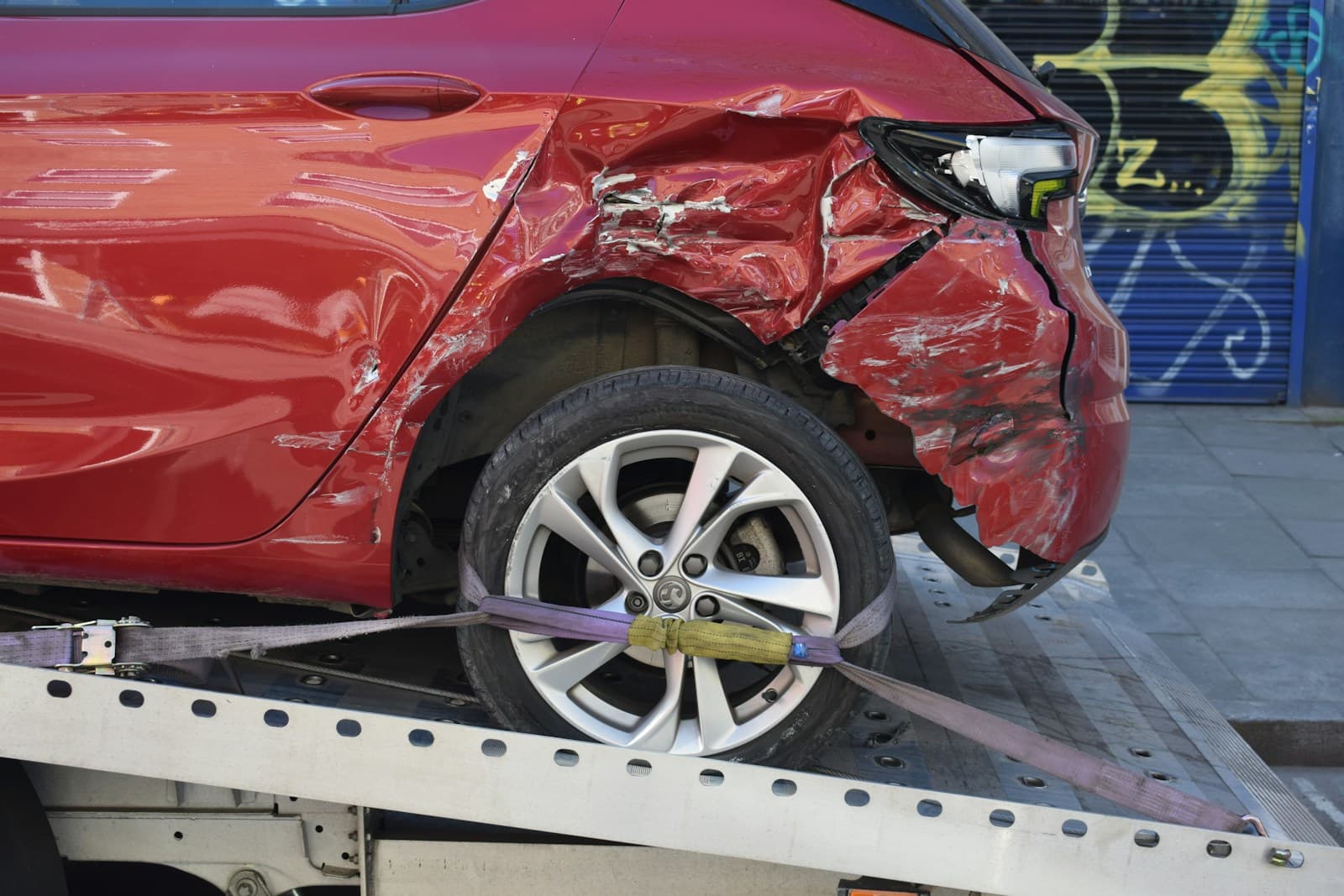
Liability-only coverage pays nothing if you cause an accident that totals your own vehicle. You walk away with no car, no insurance payout, and an SR-22 filing requirement that still has 2-3 years remaining. You now need to buy another vehicle and insure it at post-DUI rates while managing the same SR-22 obligation.
Louisiana has the second-highest accident rate in the United States at 20.5 crashes per 100,000 population. Baton Rouge and New Orleans rank in the top 15 U.S. cities for collision frequency. Your statistical risk of total loss during a 3-year SR-22 period is higher in Louisiana than in 48 other states.
If your vehicle is worth more than $5,000 and you depend on it for work, liability-only becomes a layaway plan for your next transportation crisis. Non-standard carriers know this math and prefer you discover it after the loss, not before the purchase.
When Liability-Only Makes Sense Despite the Risk
Liability-only is the correct choice if your vehicle is worth less than $3,000 and you could replace it from savings within 30 days. At that value threshold, annual comprehensive and collision premiums often exceed the vehicle's actual cash value, making full coverage an actuarial loss even before a claim.
Drivers with access to backup transportation can absorb total-loss risk more safely. If you have a second household vehicle, reliable public transit, or flexible work-from-home arrangements, losing your primary vehicle doesn't trigger immediate financial collapse or job loss.
Older vehicles with high mileage (150,000+ miles) face claim settlement problems even with full coverage. Insurers depreciate heavily, and non-standard carriers are more aggressive than standard market adjusters. You may pay full-coverage premiums for 3 years and receive a $1,200 settlement on a loss you insured for $4,500.
How Non-Standard Carriers Structure Full Coverage Differently
Non-standard SR-22 carriers limit your collision and comprehensive options to control their own claim exposure. Most cap collision coverage at actual cash value with a $1,000 deductible minimum, compared to $500 deductibles common in the standard market. Your out-of-pocket cost on a claim doubles before the policy pays anything.
Agreed value coverage, replacement cost, and new car replacement are unavailable in the non-standard market. You receive depreciated actual cash value minus your deductible, and the carrier controls the valuation process. Disputes over vehicle value favor the carrier because you have fewer options to move your SR-22 filing mid-term.
Some non-standard carriers offer named-perils comprehensive instead of open-perils, covering only specifically listed events like theft, fire, and hail. Vandalism, animal strikes, and falling objects may be excluded. Read your declarations page carefully before assuming "comprehensive" matches standard market definitions.
What Happens to Your SR-22 if You Switch Coverage Mid-Term
Dropping from full coverage to liability-only mid-policy does not affect your SR-22 filing as long as you maintain continuous coverage at state minimums. Your carrier files SR-22 based on liability limits, not physical damage coverage. Louisiana DMV monitors the liability certificate, not your collision or comprehensive elections.
Switching carriers mid-term requires careful timing to avoid a lapse. Your new carrier must file SR-22 before your old policy cancels, ideally with 3-5 days of overlap. A single-day gap triggers an SR-22 lapse notification to Louisiana OMV, which suspends your license and resets your filing period to zero in most cases.
If you're switching to save money by dropping full coverage, get the new liability-only policy bound and SR-22 filed before you cancel the old policy. Most non-standard carriers will not backdate SR-22 filings, so timing errors cost you weeks of reinstatement delays and duplicate premiums during overlap.
How to Evaluate Your Coverage Decision Using Real Numbers
Calculate your vehicle's current value using NADA or Kelley Blue Book trade-in value, not private party or retail. Trade-in value approximates what an insurer will pay after depreciation and adjuster negotiation. If that number is under $4,000, liability-only risk becomes mathematically defensible.
Compare your annual collision and comprehensive premium to your vehicle's value. If the premium exceeds 40% of vehicle value, you're paying insurance costs that approach replacement cost over your 3-year SR-22 period. Add your deductible to that calculation: a $1,000 deductible on a $3,500 vehicle means you're insuring $2,500 of value at high post-DUI rates.
Factor in your monthly SR-22 premium difference: if full coverage costs $140/month more than liability-only, you'll pay $5,040 extra over 3 years. If your vehicle is worth $6,000 today, you're paying 84% of its value to insure it. That math works only if you expect a total loss, which means you're buying collision coverage as a forced savings account, not insurance.