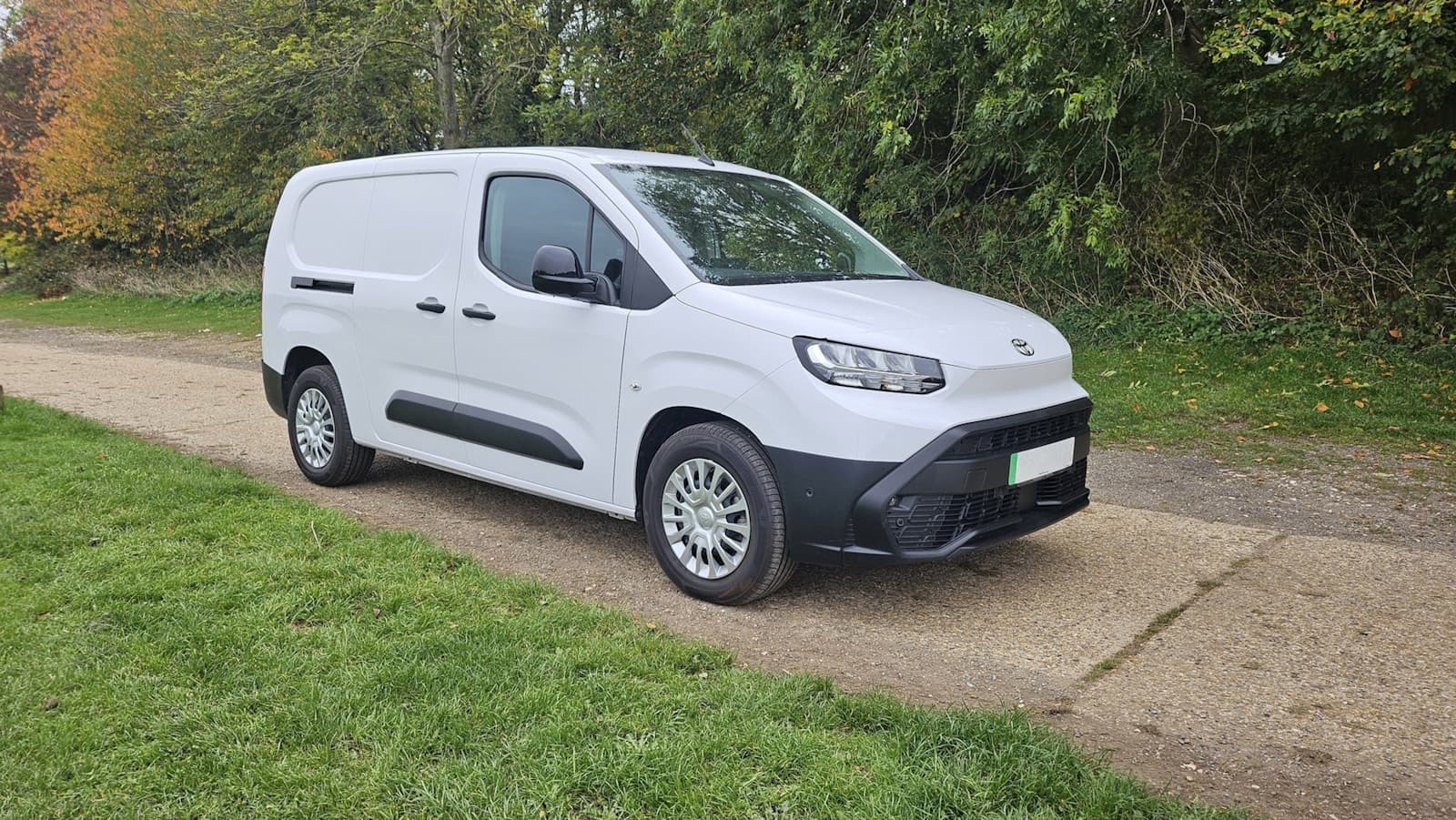
Montana lease companies don't have a blanket DUI ban, but they will pull your MVR and require proof of SR-22 coverage before approval. Your conviction class and insurance availability determine whether you qualify.
Montana Lease Approvals Hinge on Insurance Insurability, Not Just Credit
Lease companies in Montana run a multi-layer approval process: credit score, income verification, and motor vehicle record review. A DUI conviction shows on your MVR for at least 5 years in Montana, and most lease finance arms treat it as a risk signal, not an automatic decline. The deciding factor is whether you can secure full-coverage insurance with SR-23 filing — because Montana requires SR-22 for 3 years after a first-offense DUI and 5 years for a second offense, measured from conviction date.
Most major lease finance companies — Toyota Financial Services, Honda Financial, GM Financial, Ford Credit — require full coverage limits higher than Montana's statutory minimum liability (25/50/20). Standard full-coverage lease requirements run 100/300/100 for bodily injury and property damage, plus comprehensive and collision with low deductibles. If a non-standard carrier will write you at those limits with SR-22 endorsement, your lease approval depends on your credit tier and income, not the DUI itself.
The breakdown happens when non-standard carriers decline to write SR-22 policies at lease-required limits or quote premiums so high that your debt-to-income ratio fails underwriting. A first-offense DUI with no aggravating factors typically adds 70-110% to your premium. An aggravated DUI — BAC over 0.16, minor in vehicle, refusal, or injury — can trigger 130-180% increases and narrow your carrier pool to GAINSCO, The General, or Direct Auto, and not all of them write Montana policies at 100/300/100 limits.
SR-22 Filing Must Match the Leased Vehicle Before Delivery
Montana requires SR-22 filing within 30 days of your license reinstatement or court order. The SR-22 certificate lists your insured vehicle by VIN, and your lease contract will not finalize until the leasing company receives proof that the SR-22 is filed on the exact vehicle you're leasing. You cannot file SR-22 on a non-owner policy and then lease a car later — the certificate must list the leased vehicle.
This creates a timing problem: you need insurance approval on the leased vehicle before the lease company releases the car, but you can't bind the policy without the VIN and delivery date. The workaround is a conditional quote and binder from your non-standard carrier contingent on lease approval. Dairyland, Bristol West, and GAINSCO will issue conditional binders for lease applicants with DUI-SR-22 requirements, binding the policy the day the lease is signed and the VIN is assigned.
If your SR-22 filing lapses for even one day during your required filing period, Montana DMV suspends your license immediately and resets your filing clock to day zero. Most lease contracts include an insurance-lapse clause allowing the lessor to repossess the vehicle if you lose coverage. Confirm your carrier's lapse notification process — some non-standard insurers cancel for non-payment after 10 days, not 30, which leaves almost no margin for error.
Find out exactly how long SR-22 is required in your state
Conviction Class Determines Which Lease Companies Will Underwrite You
Not all DUI convictions produce the same lease underwriting outcome. A first-offense standard DUI with BAC between 0.08 and 0.15, no accident, no injury, and no refusal typically clears captive lease finance underwriting if your credit score is above 620 and you have verifiable income. Toyota Financial, Honda Financial, and Nissan Motor Acceptance have approved first-offense DUI applicants in Montana within 12 months of conviction, contingent on SR-22 proof and full-coverage limits.
Aggravated DUI convictions — BAC over 0.16, minor passenger under 16, refusal of breath or blood test, injury or property damage — move you into subprime lease territory. Captive finance arms typically decline aggravated convictions within 24 months. Third-party lease finance companies like Westlake Financial, Exeter Finance, and Credit Acceptance may approve aggravated DUI applicants, but they require larger down payments, restrict vehicle selection to lower-value models, and charge marked-up interest rates to offset repossession risk.
Second-offense or felony DUI convictions within 36 months almost universally disqualify lease applicants in Montana. Lease companies view repeat offenses as unacceptable repossession and liability risk. If you have a second-offense DUI, financing a used vehicle through a subprime lender is a more realistic path than leasing. Your SR-22 filing requirement extends to 5 years for a second offense in Montana, and most subprime lenders will work with you as long as your SR-23 is active and your premium is manageable within debt-to-income limits.
Non-Standard SR-22 Carriers That Write Montana Lease-Compliant Policies
Most mainstream carriers — State Farm, Geico, Allstate, Progressive — will file SR-22 for existing Montana customers after a DUI but non-renew the policy at term. If you're shopping for a new policy to lease a car, you're in the non-standard market. Not all non-standard carriers write Montana policies at the 100/300/100 limits lease companies require.
Carriers confirmed to write Montana SR-22 policies at lease-compliant full-coverage limits: Dairyland, available statewide through independent agents, writes 100/300/100 liability with comprehensive and collision for DUI-SR-22 drivers. Average monthly premium for a first-offense DUI in Montana: $210–$290/mo depending on vehicle value and deductible. Bristol West, part of the Farmers network, writes Montana SR-22 policies with lease-grade limits but restricts eligibility to drivers with one DUI conviction only — second offenses are declined. Monthly premiums: $230–$320/mo. GAINSCO writes Montana policies through independent agents but requires higher deductibles — typically $1,000 comprehensive and collision minimums, which some lease contracts reject.
The General, Direct Auto, and Safe Auto write Montana SR-22 policies but cap liability limits at 50/100/50 in most underwriting tiers, which falls short of lease requirements. If you receive a quote from one of these carriers, confirm the liability limits before assuming it will satisfy your lease company. Lease finance underwriters will reject the contract if your certificate of insurance lists limits below their threshold, even if the SR-22 is valid for Montana DMV purposes.
Down Payment and GAP Insurance Requirements Increase After a DUI
Standard lease down payments in Montana run $2,000–$3,500 for well-qualified credit tiers. A DUI conviction moves you into subprime or near-prime lease tiers, and down payment requirements increase to offset repossession risk. Expect $4,000–$6,500 down for a first-offense DUI within 24 months of conviction, and $7,000+ for aggravated convictions.
GAP insurance becomes mandatory for most lease applicants with a DUI. GAP coverage pays the difference between your lease payoff balance and the vehicle's actual cash value if the car is totaled or stolen. Lease companies impose GAP requirements on higher-risk applicants because DUI drivers statistically have higher total-loss claim rates. Monthly GAP premiums add $15–$35/mo to your lease payment, and some lease companies require you to purchase their in-house GAP product rather than allowing you to source it independently.
Your SR-22 premium counts toward your debt-to-income ratio in lease underwriting. If your total monthly obligations — lease payment, insurance premium, existing debt — exceed 45% of your gross monthly income, most lease finance companies decline the application regardless of credit score. A $280/mo SR-22 premium on a $450/mo lease payment creates a $730/mo insurance and vehicle expense before fuel and maintenance, which disqualifies applicants earning less than $3,500/mo gross.
What Happens If You Move Out of Montana During Your SR-22 Filing Period
Montana requires continuous SR-22 filing for the full 3-year or 5-year period assigned by the court or DMV. If you move to another state during that period, your SR-22 requirement follows you — but the new state's filing rules apply, not Montana's. Most states accept out-of-state SR-22 transfers, but a few require you to re-file under their own SR-22 program within 30 days of establishing residency.
Your lease contract complicates interstate moves. The leased vehicle is titled in Montana under the lessor's name, and the lease agreement specifies Montana as the garaging state. If you move to a state with different insurance requirements — higher liability limits, uninsured motorist mandates, or FR-44 instead of SR-22 (Florida and Virginia only) — your non-standard carrier may not write policies in the new state, forcing you to find a new insurer mid-lease. Gap in coverage equals SR-22 lapse, which suspends your Montana license and violates your lease insurance clause.
Before moving, contact your lease finance company and confirm their process for re-titling the vehicle in your new state or updating the garaging location. Some lease companies allow out-of-state garaging with updated insurance proof. Others require you to buy out the lease early or return the vehicle. Do not assume your lease transfers automatically — the lease company controls the title, and they set the terms for interstate moves.