California dealerships can lease to you with a DUI on your record, but expect higher deposits, mandatory gap insurance, and coverage verification that your SR-22 carrier meets their lienholder minimums — most non-standard carriers do.
Can You Lease a Car in California With an Active DUI-SR-22 Requirement?
Yes, but the dealership finance desk will run your motor vehicle report and see the DUI conviction and active SR-22 filing. California law does not prohibit leasing to drivers with DUI convictions, but dealerships classify you as a high-risk lessee because your insurance rates are higher, your coverage comes from a non-standard carrier, and your default risk is statistically elevated. Most dealerships will approve the lease if you meet three conditions: proof of full-coverage insurance from a carrier the dealership's lienholder accepts, a larger upfront payment to offset perceived risk, and mandatory gap insurance because your policy may not cover the full lease balance if the car is totaled.
The dealership does not care about your SR-22 filing period or your court compliance. They care whether your insurance policy satisfies their lease contract minimums and whether you can make the monthly payment. If your non-standard carrier meets those minimums and you can cover the deposit, the lease goes through.
Expect the finance manager to verify your coverage directly with your carrier before finalizing the lease. Bring your insurance declarations page to the dealership showing policy limits, the SR-22 endorsement, and the lienholder clause. If your carrier is not on the dealership's approved list, the lease will not proceed until you switch to one that is.
What Coverage Minimums Do California Dealerships Require for a Lease?
California dealerships require full-coverage insurance with liability limits at or above 100/300/50 — $100,000 per person for bodily injury, $300,000 per accident, $50,000 for property damage — plus comprehensive and collision coverage with a deductible no higher than $1,000. The lease contract names the dealership's financing arm or captive lender as the lienholder, and your policy must list them as the loss payee. If the car is damaged or totaled, the insurance payout goes to the lienholder first to cover the remaining lease balance.
Your SR-22 insurance policy must meet these minimums. California's statutory SR-22 minimum is 15/30/5, which is far below what any dealership will accept for a lease. Most drivers carrying SR-22 after a DUI buy 100/300/50 or higher because that is what lienholders demand. Non-standard carriers like The General, Direct Auto, Bristol West, and GAINSCO all write policies at these limits, but rates for DUI-SR-22 drivers typically range from $240 to $420 per month for full coverage.
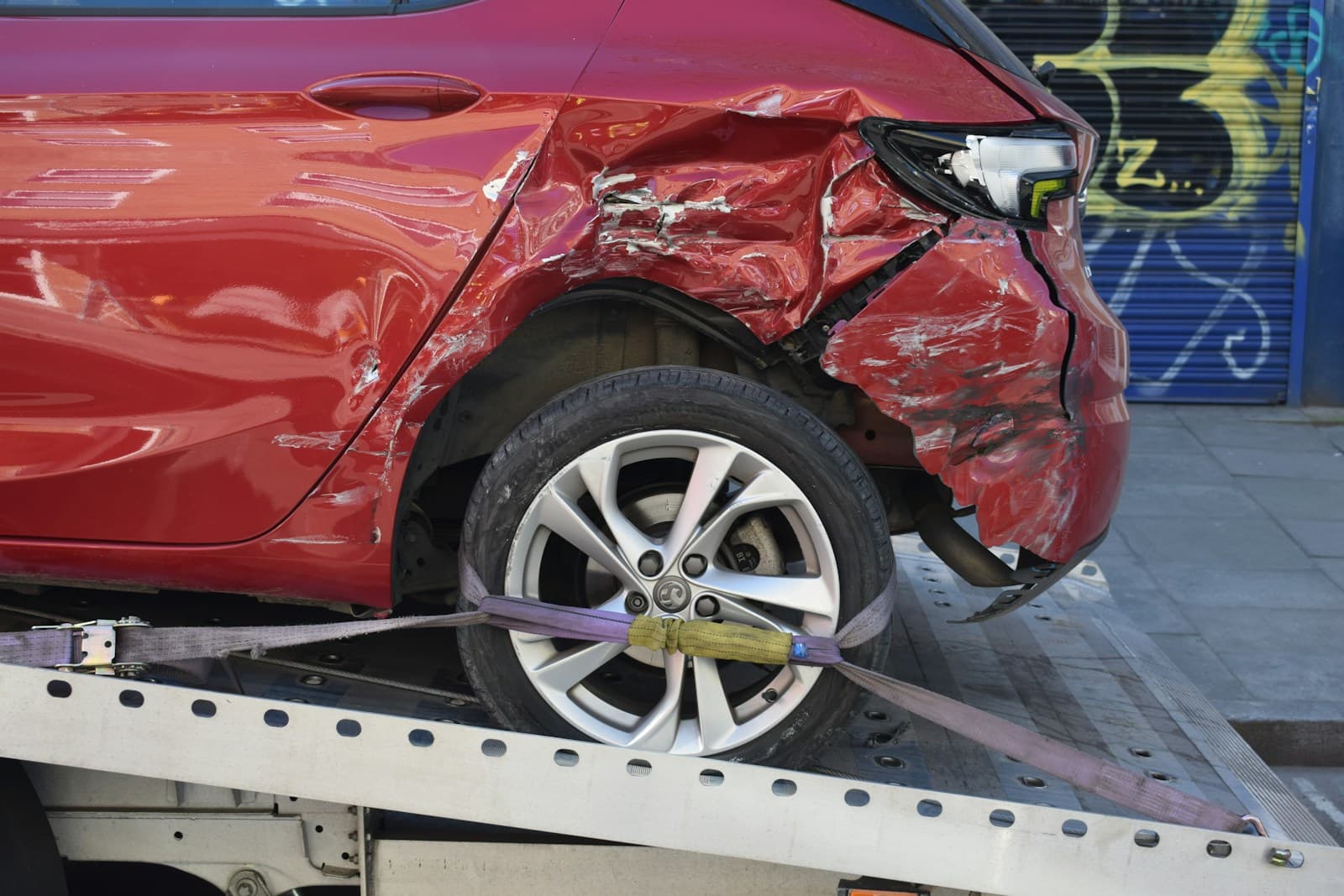
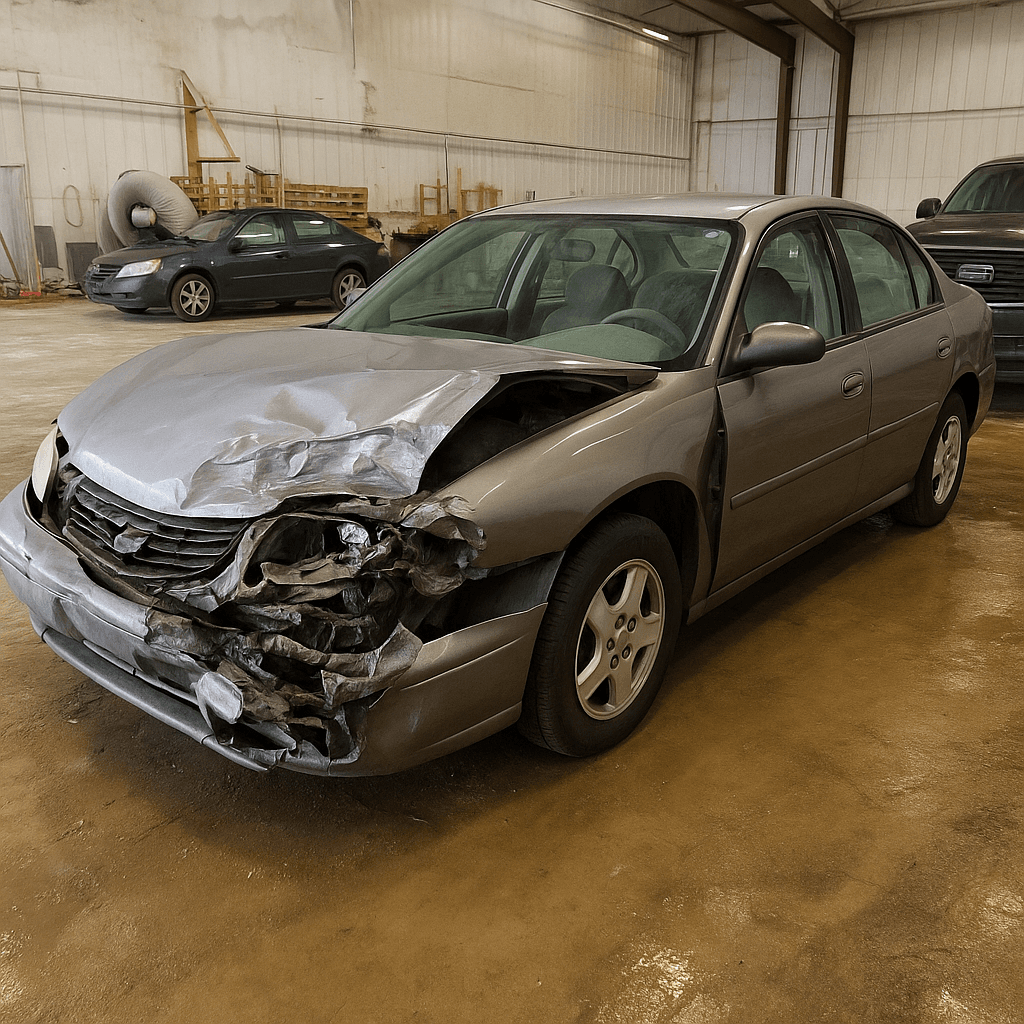
Gap insurance is almost always mandatory on DUI-SR-22 leases. If your car is totaled six months into a three-year lease, your insurance payout may not cover the full remaining lease balance. Gap insurance pays the difference. Dealerships either bundle it into the lease or require proof you bought it separately through your carrier.
Find out exactly how long SR-22 is required in your state
How Does a DUI Affect Your Lease Approval and Down Payment?
Dealerships run a credit check and a motor vehicle report during lease approval. The DUI conviction appears on your MVR, and the SR-22 filing signals high-risk status to the finance desk. Your credit score matters more than the DUI itself for lease approval, but the DUI triggers stricter terms: higher down payments, shorter lease periods, and sometimes higher money factors (the lease equivalent of an interest rate).
Most California dealerships require $2,000 to $4,000 down on a lease for a DUI-SR-22 driver, compared to $1,000 to $2,000 for a clean-record driver leasing the same vehicle. The down payment offsets the dealership's perceived risk that you will default or let your SR-22 policy lapse, which would violate the lease contract and trigger repossession. Some dealerships also restrict lease terms to 24 or 36 months instead of the standard 39 or 48 months because they want you out of the contract before your driving record improves and you refinance elsewhere.
If your credit score is below 620, expect lease approval to be difficult regardless of the DUI. Dealerships may counter-offer with a higher down payment or require a co-signer with clean credit and a clean driving record. If your score is above 680 and you can document stable income, the DUI becomes a secondary factor and the lease proceeds with the adjustments described above.
Which Non-Standard Carriers Do California Dealerships Accept as Lienholders?
Most California dealerships accept non-standard carriers that are licensed in the state, maintain an A.M. Best rating of B+ or higher, and have a history of timely claims payment. Bristol West, Direct Auto, Dairyland, GAINSCO, Kemper, and National General all meet these criteria and appear on most dealership-approved carrier lists. The General, Safe Auto, and Acceptance are sometimes excluded by luxury or high-volume dealerships because of slower claims processing or coverage disputes in prior lease contracts.
Bring your insurance declarations page to the dealership showing the carrier name, policy number, coverage limits, effective dates, and the lienholder endorsement. The finance manager will call your carrier to verify active coverage and confirm the dealership or financing company is listed as loss payee. If your carrier is not on their approved list, you have two options: switch to a carrier they do accept before signing the lease, or walk and find a dealership with a broader approved-carrier list.
Some captive lenders — Toyota Financial Services, Honda Financial, Ford Credit — maintain stricter carrier requirements than independent dealerships. If you are leasing a Honda with Honda Financial as the lienholder, they may reject carriers like The General or Safe Auto even if your policy meets coverage minimums. Ask the finance manager for their approved carrier list before you shop for insurance.
What Happens If Your SR-22 Lapses During the Lease Period?
If your SR-22 filing lapses for any reason — missed payment, policy cancellation, failure to renew — your carrier notifies the California DMV within 24 hours. The DMV suspends your license immediately and sends a notice to the address on file. Your lease contract requires continuous full-coverage insurance as long as you have the car. A lapse triggers a breach of contract, and the dealership's financing arm can begin repossession proceedings within 10 to 30 days depending on the lease terms.
Most lease contracts include a cure period: if you reinstate your SR-22 and provide proof of coverage within 10 days, the breach is cured and repossession is halted. If you miss that window, the dealership repossesses the car, sells it at auction, and bills you for the remaining lease balance minus the auction sale price. You are also liable for repossession fees, storage fees, and any damage to the vehicle. California does not reset your SR-22 filing clock if the lapse is cured within 30 days, but a lapse longer than 30 days resets the entire three-year filing period from the reinstatement date.
Set up automatic payments with your non-standard carrier and monitor your bank account to avoid missed payments. Most DUI-SR-22 drivers pay monthly because non-standard carriers charge 15-25% more for six-month or annual policies, but monthly billing increases lapse risk if a payment declines.
Should You Lease or Finance a Car After a DUI in California?
Leasing makes sense if you need a newer car with a warranty, drive fewer than 12,000 miles per year, and can handle the higher insurance cost of full coverage for the entire lease term. Financing makes sense if you want to drop comprehensive and collision coverage once the loan is paid off, which lowers your monthly insurance cost significantly. DUI-SR-22 drivers pay $240 to $420 per month for full coverage but only $110 to $190 per month for liability-only coverage once the car is paid off and the lienholder releases the title.
Leasing locks you into full-coverage insurance for 24 to 48 months, and you walk away with no equity at the end of the term. If your SR-22 filing period ends during the lease and your rates drop, you benefit from the lower premium, but you still owe the lease payments and cannot reduce coverage until the lease ends. Financing lets you own the car outright after 48 to 60 months, at which point you can drop to liability-only coverage and cut your insurance cost in half.
If your credit score is below 650 and the dealership is quoting a money factor above 0.003 (roughly equivalent to a 7% APR), financing through a credit union or subprime lender may offer better terms. Leasing is not inherently better or worse after a DUI — it depends on your mileage, your insurance budget, and how long you plan to keep the car.