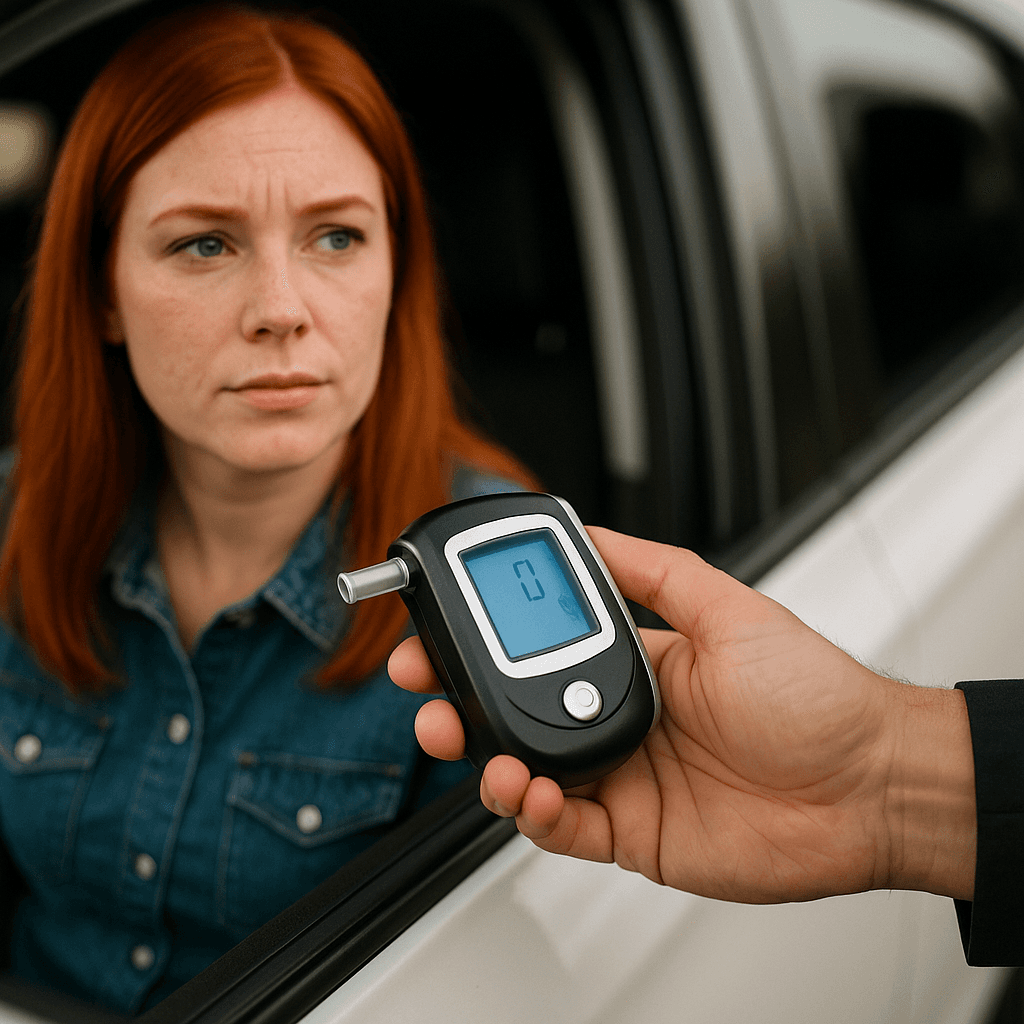
Iowa non-standard carriers price your DUI-SR-22 policy using conviction class and BAC level — not just your violation. Most drivers don't know which pricing tier they fall into before they shop, and it costs them.
Why Iowa DUI Convictions Price Differently in the Non-Standard Market
Non-standard carriers in Iowa divide DUI convictions into pricing tiers based on conviction class and blood alcohol content at arrest — not a single flat rate for all DUI violations. A first-offense OWI (Operating While Intoxicated) conviction with a BAC of .08–.10 typically prices 40–60% lower than an aggravated first-offense OWI with a BAC above .15, even with the same carrier and the same SR-13 filing requirement. Iowa law defines aggravated OWI as any conviction with a BAC of .15 or higher, and that distinction follows you into underwriting.
Most aggregators and comparison tools don't ask for your BAC level or conviction class during the quote process. They price you as a generic "DUI" risk, which means you're often quoted at the aggravated tier rate even if your conviction doesn't qualify. Carriers like The General, Bristol West, and Dairyland all tier Iowa DUI policies this way, but they don't advertise it publicly. You find out only when you're deep into underwriting or when you request your rate manually with full conviction details.
Knowing your pricing tier before you shop gives you leverage. If your BAC was under .10 and your conviction wasn't aggravated, you should request quotes explicitly for first-offense standard OWI. If you don't specify, you'll be quoted for the worst-case tier by default.
What Conviction Class and BAC Level Do to Your Monthly Premium
Iowa divides OWI convictions into three pricing tiers in the non-standard market: first-offense standard (.08–.10 BAC, no aggravating factors), first-offense aggravated (.15+ BAC or injury/property damage), and second-offense or repeat convictions. Monthly SR-13 policy premiums for liability-only coverage in Iowa range from $110–$160/mo for first-offense standard, $180–$260/mo for first-offense aggravated, and $240–$380/mo for repeat offenses. Full coverage adds 30–50% to those ranges.
BAC level is the single largest rate multiplier after conviction count. A driver with a .09 BAC and a first-offense OWI in Des Moines might pay $125/mo with Bristol West. The same driver profile with a .16 BAC pays closer to $210/mo with the same carrier. That's a 68% increase for BAC alone. If your arrest report shows a BAC under .10, request underwriting for the standard tier explicitly — most call-center reps default to aggravated unless you correct them.
Repeat-offense convictions trigger the highest tier regardless of BAC. Iowa treats a second OWI within 12 years as a repeat offense, and carriers won't tier you down even if your second BAC was lower than your first. If you're in this category, expect the $240–$380/mo range and focus on carriers that write repeat-offense DUI at all — not all non-standard carriers do.
Find out exactly how long SR-22 is required in your state
How Iowa's SR-13 Filing Requirement Affects Carrier Pricing
Iowa doesn't call it SR-22 — the state uses an SR-13 form, which serves the same function but carries Iowa-specific filing rules that affect how carriers price you. Every DUI conviction in Iowa triggers a 2-year SR-13 filing requirement starting from your reinstatement date, not your conviction date. That timing difference matters because most drivers miscalculate when their filing period ends, and letting an SR-13 lapse even one day resets your filing clock to zero.
Non-standard carriers price SR-13 filings separately from base premium. The filing itself costs $15–$35 depending on the carrier, but the real cost is the underwriting surcharge for being an SR-13-required driver. That surcharge runs 20–40% of your base premium and lasts the entire 2-year filing period. If your base premium is $140/mo, expect an additional $28–$56/mo just for the SR-13 requirement. Some carriers (GAINSCO, Safe Auto) bundle the surcharge into quoted rates. Others (The General, Direct Auto) line-item it separately. Always ask whether the quoted rate includes the SR-13 surcharge or if it's added at binding.
Iowa allows electronic SR-13 filing, and most non-standard carriers file electronically within 24–48 hours of policy binding. Your SR-13 filing must remain continuous for the full 2 years — any lapse, even from switching carriers without overlapping your effective dates, triggers a new 2-year requirement. Carriers won't warn you about this. They'll cancel your policy for non-payment, your SR-13 lapses, and you're back to day one with the Iowa DOT.
Which Non-Standard Carriers Write First-Offense vs. Repeat-Offense DUI in Iowa
Not all non-standard carriers write all conviction classes in Iowa. Bristol West, The General, Dairyland, and Direct Auto write first-offense standard and aggravated OWI statewide. GAINSCO and Safe Auto write first-offense aggravated but limit geographic availability — GAINSCO writes primarily in Des Moines, Cedar Rapids, and Davenport metro areas, while Safe Auto writes statewide but prices repeat offenses case-by-case. Acceptance Insurance and Kemper write repeat-offense DUI in Iowa but require ignition interlock device (IID) confirmation for second-offense convictions before they'll quote.
If you're a first-offense standard OWI driver, you have the widest carrier selection and the lowest rates. Start with Bristol West and Dairyland — both price competitively in Iowa for this tier and file SR-13 electronically. If you're first-offense aggravated, add The General and GAINSCO to your quote list. If you're repeat-offense, expect to work with Acceptance, Kemper, or a local independent agent who can access surplus-lines carriers. Standard-market carriers (State Farm, Geico, Allstate, Progressive) will file SR-13 for existing Iowa customers through policy term but non-renew at expiration. They don't write new DUI-SR-13 policies.
Carrier availability shifts every 6–12 months based on loss ratios and state filings. A carrier that writes aggravated OWI in Iowa today might restrict new business next quarter. If you're quoted and approved, bind immediately. Waiting 30 days to "think it over" can mean losing access to that carrier entirely.
How to Get Accurate DUI-SR-13 Quotes Without Overpaying for the Wrong Tier
Most Iowa drivers overpay for DUI-SR-13 coverage because they accept the first quote they receive without verifying their pricing tier. Aggregators default to worst-case assumptions — aggravated conviction, high BAC, maximum surcharges — because underwriting those details manually takes time most call centers won't spend. You fix this by controlling the information you provide upfront.
Before you request quotes, pull your Iowa driving record from the Iowa DOT and your arrest report from the county court where you were convicted. You need your exact BAC level, your conviction class (standard or aggravated), and your reinstatement date. When you call or quote online, state those details in the first sentence: "I have a first-offense OWI conviction in Iowa with a BAC of .09, no aggravating factors, and I need SR-13 filing starting [reinstatement date]." That forces the agent or system to tier you correctly from the beginning.
Get quotes from at least three non-standard carriers that write your conviction class in Iowa. If you're first-offense standard, quote Bristol West, Dairyland, and The General. If you're aggravated or repeat-offense, add GAINSCO, Acceptance, or work with an independent agent who writes surplus lines. Compare not just monthly premium but SR-13 filing fees, surcharge structure (bundled vs. line-item), and payment plan options. Some carriers front-load the SR-13 surcharge into your down payment, which can double your upfront cost even if monthly premiums are lower.
Bind the policy at least 5 days before your reinstatement date. Iowa requires proof of SR-13 filing before the DOT will reinstate your license, and electronic filing takes 24–72 hours to process and appear in the state system. If you wait until reinstatement day to bind, you'll miss your window and push your reinstatement date back by weeks.