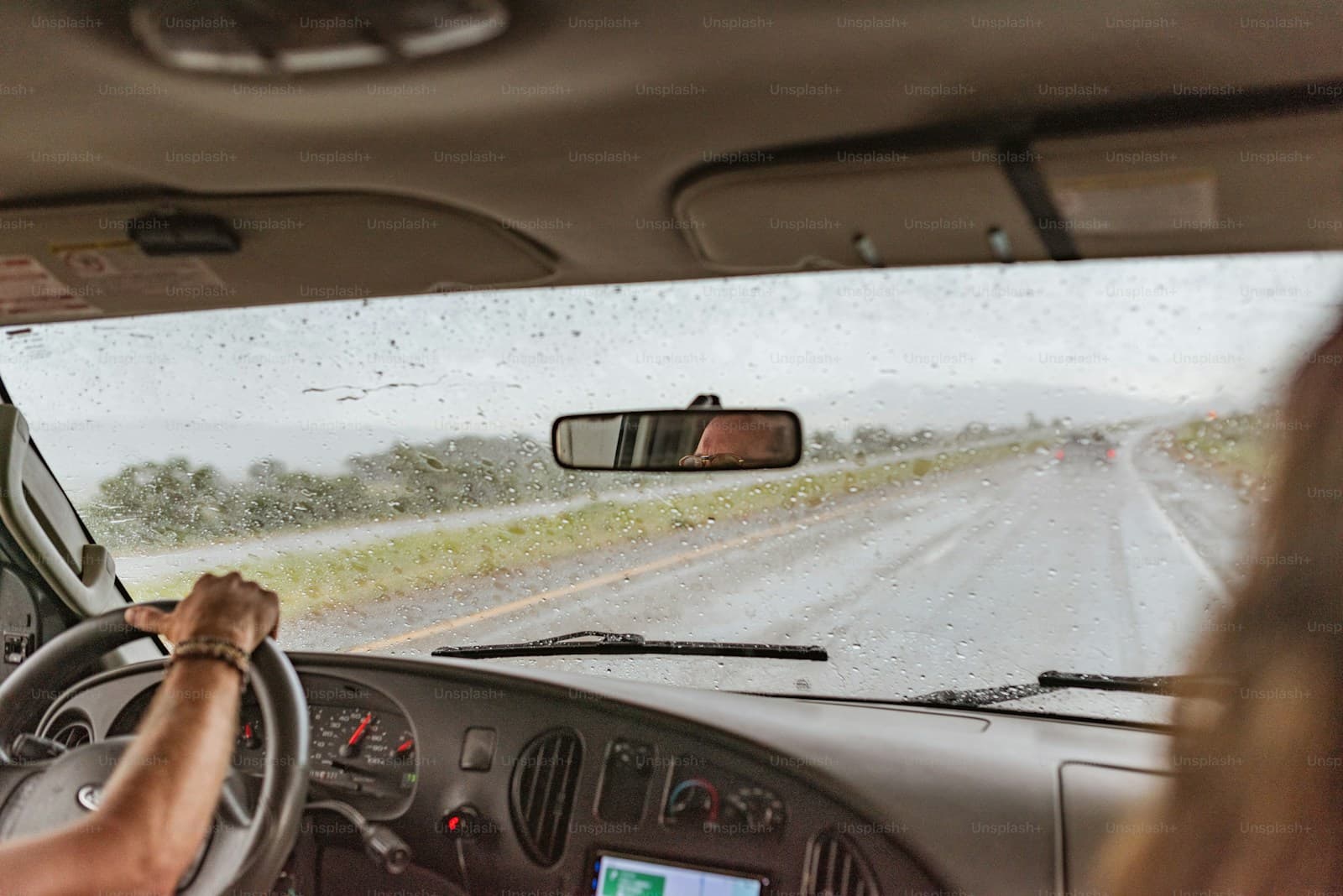
Delaware lets you drive for work during an interlock suspension. But most carriers won't write SR-22 under an active suspension, which creates a coverage gap for shift workers who need proof of insurance to keep a job.
Delaware Issues Interlock-Only Hardship Licenses With No Time Restrictions
Delaware Division of Motor Vehicles issues a hardship license during your DUI suspension that allows unrestricted driving as long as an ignition interlock device is installed on your registered vehicle. Unlike most states, Delaware does not impose time-of-day or route restrictions on interlock hardship licenses — you can drive to work, school, medical appointments, or any lawful purpose 24 hours a day. The catch is you must have interlock installed before DMV processes the hardship application, and you must maintain continuous SR-22 insurance filing throughout the entire suspension period.
This matters for shift workers because Delaware's hardship license does not require you to prove your work hours or submit employer documentation. If you work second shift, overnight, rotating hours, or split shifts, you're legally permitted to drive during those hours with interlock active. Most states limit hardship driving to daylight or business hours, which eliminates shift jobs entirely. Delaware removes that barrier — but only if you can solve the insurance filing requirement first.
The hardship period runs concurrently with your base suspension, not in addition to it. A first-offense DUI carries a 12-month suspension in Delaware. If you install interlock and file SR-22 within 30 days of your suspension start date, you can drive under hardship for the full 12 months. If you delay installation, you lose that driving time permanently — Delaware does not extend the suspension end date to accommodate late interlock enrollment.
Most Carriers Require Full Reinstatement Before Writing SR-22 Under Suspension
Delaware law allows you to drive under hardship during suspension. Delaware insurance regulations allow carriers to write SR-22 policies for drivers with active DUI suspensions. But carrier underwriting guidelines — the internal rules each company uses to decide who they'll insure — typically require full license reinstatement before issuing a new policy. This creates a compliance gap: you're legally eligible to drive, but commercially uninsurable until your suspension ends.
Progressive, Geico, State Farm, and Allstate will file SR-22 for existing customers who receive a DUI, but they almost always non-renew at the next policy term. If your policy expires during your suspension period, those carriers will not write a new policy until your license is fully reinstated. Bristol West, Dairyland, and The General — non-standard carriers that specialize in high-risk drivers — will write new policies under active suspension in some states, but their Delaware availability is limited and their underwriting varies by conviction class.
If you're working a shift job, this gap is operationally disastrous. Your employer requires proof of insurance to drive a company vehicle or commute to a worksite. Delaware DMV requires continuous SR-22 filing to keep your hardship license valid. If your policy lapses for even one day, DMV revokes your hardship eligibility and resets your suspension clock to day zero. You cannot afford a coverage gap, but the non-standard market may not write you until reinstatement — which defeats the entire purpose of hardship.
Find out exactly how long SR-22 is required in your state
Non-Owner SR-22 Policies Cover the Gap If You Don't Own a Vehicle
If you don't own a vehicle or if your registered vehicle is not interlock-compatible, a non-owner SR-22 policy satisfies Delaware's continuous insurance filing requirement without insuring a specific car. Non-owner policies provide liability coverage when you drive a vehicle you don't own — a borrowed car, a rental, or a company vehicle. They do not provide collision or comprehensive coverage, and they do not cover vehicles you own or regularly use.
For shift workers, non-owner SR-22 solves two problems simultaneously. First, it satisfies DMV's SR-22 filing requirement so you can maintain hardship eligibility. Second, it provides liability coverage when you drive an employer-owned vehicle, which many companies require before allowing employees behind the wheel. Dairyland, The General, and Bristol West write non-owner SR-22 policies in Delaware, with monthly premiums typically ranging from $65 to $110 depending on your conviction class and whether this is a first or repeat offense.
Non-owner policies do not satisfy Delaware's interlock requirement. You still need access to an interlock-equipped vehicle to drive legally under hardship. The non-owner policy covers your liability exposure when driving that vehicle, but the vehicle itself must have interlock installed and registered with DMV. If you're borrowing a family member's car for work, that car must have interlock installed, and you must be listed as an authorized interlock user on the DMV registration. The non-owner policy covers you. The interlock covers the vehicle compliance.
Interlock Installation Takes 3 to 5 Days and Costs $75 to $125 Upfront
Delaware requires ignition interlock devices from state-approved vendors only. Smart Start, Intoxalock, and LifeSafer operate installation centers in Wilmington, Dover, and Newark. Installation appointments are available within 3 to 5 business days of your initial call, but you must pay the installation fee upfront before the appointment is scheduled. Installation fees range from $75 to $125 depending on the vendor and vehicle type. Monthly monitoring and calibration fees run $65 to $90, billed automatically.
Once installed, you must return to the vendor every 30 days for calibration and data download. If you miss a calibration appointment, the device enters lockout mode after 7 days, and your vehicle will not start until calibration is completed. Delaware DMV receives violation reports directly from the interlock vendor — failed breath tests, missed calibrations, or tampering attempts are transmitted within 48 hours. A single failed startup test does not revoke your hardship license, but a pattern of violations (three or more failed tests in 30 days, or one missed calibration) triggers an administrative review and may extend your required interlock period.
Shift workers face scheduling friction here. Calibration appointments are typically available during business hours only, Monday through Friday 8 a.m. to 5 p.m. If you work second or third shift, you must arrange time off or shift coverage to meet the monthly calibration requirement. Some vendors offer Saturday morning appointments at their Wilmington location, but availability is limited and must be booked 2 weeks in advance.
Delaware's SR-22 Filing Requirement Lasts 3 Years From Reinstatement Date
Delaware requires SR-22 filing for 3 years following a DUI conviction, measured from your license reinstatement date — not your conviction date, and not your suspension start date. If your suspension lasts 12 months and you delay reinstatement by 6 months, your 3-year SR-22 clock does not start until reinstatement is finalized. This is a common miscalculation: drivers assume the SR-22 period runs concurrently with the suspension, but it runs consecutively after reinstatement.
Your carrier must maintain continuous SR-22 filing with Delaware DMV for the entire 3-year period. If you switch carriers, the new carrier must file SR-22 before your old policy cancels, or you create a lapse. If your policy lapses for any reason — non-payment, cancellation, switching carriers without overlap — DMV receives an SR-26 termination notice within 10 days and immediately suspends your license again. The suspension remains in effect until you file new SR-22 and pay a $100 reinstatement fee. Importantly, the lapse does not reset your 3-year SR-22 clock to zero in Delaware, but it does suspend your driving privileges until you cure the lapse.
For shift workers, this creates a 4-year total compliance timeline in most cases: 12 months of suspension with hardship driving under interlock, followed by 3 years of post-reinstatement SR-22 filing without interlock. You cannot drop SR-22 until Delaware DMV sends a written release notification, which typically arrives 30 to 45 days after your 3-year anniversary. Dropping coverage before receiving that release letter triggers an automatic suspension.
Employers Can Verify Your Hardship License Status Through DMV
Delaware DMV issues a physical hardship license with an interlock restriction code printed on the front. The restriction reads "Ignition Interlock Device Required" and includes your hardship approval date and expiration date. Employers can verify your license status by requesting a copy of your driving record through Delaware's online driver history portal or by calling DMV's verification line at 302-744-2506. The record will show your active suspension, your hardship approval, and your interlock restriction.
Most employers require this documentation before allowing you to drive a company vehicle or use your personal vehicle for work purposes. If you're applying for a job that requires driving, disclose your hardship status upfront and provide a current copy of your driving record. Employers in logistics, delivery, field service, and healthcare are accustomed to hiring drivers with interlock restrictions in Delaware because the state's hardship program does not impose time-of-day limits. Your ability to work second or third shift is not legally restricted — it's a matter of employer policy, not state law.
If your job requires operating a commercial vehicle with a CDL, Delaware's hardship license does not apply. Federal Motor Carrier Safety Administration regulations prohibit interlock-restricted licenses for commercial driving. You cannot drive a commercial vehicle under a hardship license, even if interlock is installed. This restriction applies to any vehicle requiring a CDL, including delivery trucks over 26,001 pounds, passenger vehicles carrying 16 or more people, and hazmat transport vehicles.