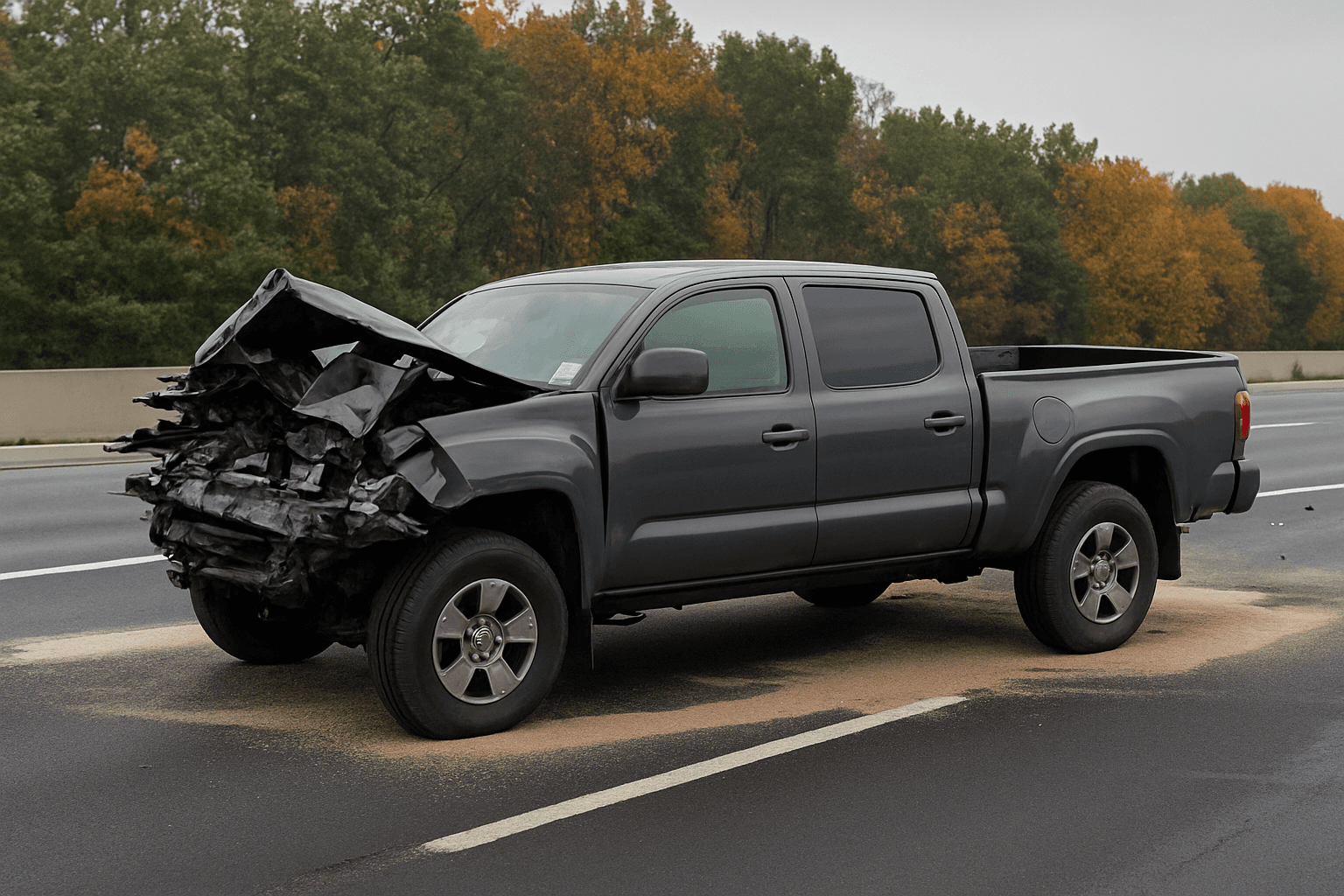
Arizona's felony DUI classification triggers extended SR-22 filing periods and shifts most drivers into the non-standard market. Here's what coverage costs, which carriers write felony DUI cases, and how long you're actually required to file.
What Makes a DUI a Felony in Arizona
Arizona classifies a DUI as a felony under three conditions: a third DUI conviction within 84 months, any DUI committed while driving on a suspended or revoked license, or a DUI involving serious injury or death. Each triggers a Class 4 felony charge, mandatory jail time starting at four months, and a minimum one-year license revocation before you're eligible for reinstatement.
Aggravated DUI — the formal legal term for felony DUI in Arizona — carries steeper SR-22 filing requirements than a standard misdemeanor DUI. Your filing period starts from the date your license is reinstated, not from conviction or sentencing, which means the three-year SR-22 clock doesn't begin until you've completed your revocation period, paid reinstatement fees, and satisfied all court-ordered conditions including alcohol screening and the ignition interlock device requirement.
Most mainstream carriers — State Farm, Geico, Allstate, Progressive — will not write new policies for drivers with a felony DUI on record. You're placed in the non-standard market, where carriers like The General, Acceptance, Dairyland, and Direct Auto specialize in high-risk drivers. Availability varies by conviction details, particularly whether injury or property damage was involved.
How Long SR-22 Filing Lasts After a Felony DUI in Arizona
Arizona requires SR-22 filing for three years following license reinstatement after a felony DUI conviction. The filing period does not begin at conviction, sentencing, or the start of your license revocation — it begins the day your license is reinstated, which typically occurs 12 to 18 months after sentencing depending on how quickly you complete alcohol treatment, install an ignition interlock device, and pay all required fees.
If your license was revoked for one year and you complete reinstatement requirements immediately, your SR-22 filing obligation runs from reinstatement through the following three years — a total of four years from conviction. Most drivers miscalculate this timeline and either let their SR-22 lapse early or continue filing longer than required because they counted from the wrong start date.
Letting your SR-22 lapse for even one day resets the three-year clock to zero in Arizona. Your insurer is required to notify the Arizona Motor Vehicle Division within 15 days of policy cancellation or non-renewal, and the MVD will suspend your license immediately upon notification. Reinstatement after an SR-22 lapse requires paying a new reinstatement fee, filing a new SR-22, and restarting the full three-year filing period.
Find out exactly how long SR-22 is required in your state
What SR-22 Insurance Costs After a Felony DUI in Arizona
SR-22 insurance after a felony DUI in Arizona typically costs $180 to $320 per month for minimum liability coverage, compared to $85 to $140 per month for a driver with a clean record. The SR-22 filing fee itself — charged once when your insurer submits the form to the MVD — ranges from $15 to $50 depending on carrier, but the rate increase from the felony DUI conviction is what drives total cost.
Non-standard carriers price felony DUI cases individually based on conviction details. A third-offense DUI with no injury typically costs 150% to 200% more than standard rates. A felony DUI involving injury or property damage can increase rates 250% to 400%, and some carriers decline those cases entirely. Acceptance, The General, and Dairyland write most felony DUI cases in Arizona, but availability depends on whether you own a vehicle, need an ignition interlock device endorsement, and have maintained continuous coverage during your revocation period.
Estimates based on available industry data; individual rates vary by conviction details, vehicle, coverage selections, and ZIP code. Drivers in Phoenix and Tucson generally pay 10% to 15% more than rural Arizona due to population density and uninsured motorist rates.
Which Carriers Write Felony DUI SR-22 Policies in Arizona
The General, Acceptance, Dairyland, Direct Auto, and Bristol West write the majority of felony DUI SR-22 policies in Arizona. Each has different underwriting criteria for aggravated DUI convictions — some will write third-offense cases but decline injury-related felonies, others require a minimum time period between conviction and application, and a few impose coverage caps that limit liability limits to state minimums for the first policy term.
State Farm, Geico, Allstate, and Progressive will file SR-22 for existing customers who receive a felony DUI while already insured, but most non-renew at the end of the current policy term. If you're shopping for new coverage after a felony DUI conviction, expect to work exclusively with non-standard market carriers. USAA and GEICO occasionally write felony DUI cases for military service members or long-term customers with otherwise clean records, but those are exceptions, not standard practice.
If you don't own a vehicle, you'll need a non-owner SR-22 policy to satisfy Arizona's filing requirement. Non-owner policies provide liability coverage when you drive a vehicle you don't own and typically cost $50 to $90 per month after a felony DUI. The General, Dairyland, and Direct Auto all write non-owner SR-22 policies in Arizona; availability for felony DUI cases depends on conviction details and time since sentencing.
What Happens If You Move Out of Arizona During Your SR-22 Filing Period
If you move to another state before your three-year SR-22 filing period ends, your Arizona SR-22 requirement does not automatically transfer. You'll need to check whether your new state requires SR-22 filing for out-of-state convictions and, if so, file an SR-22 in your new state of residence. Most states require SR-22 filing if you had an active SR-22 requirement in your previous state, but the filing period may restart or extend depending on the new state's rules.
Arizona will not release your driving record or reinstate your license until you've satisfied the full three-year SR-22 filing requirement, even if you've moved. If you return to Arizona before completing the filing period, you'll need to file a new Arizona SR-22 and continue coverage for the remaining time. Some drivers attempt to establish residency in a state with shorter SR-22 filing periods to reduce total filing time, but insurance fraud — misrepresenting your primary residence to obtain cheaper coverage — is a felony in most states and will void your policy if discovered.
Florida and Virginia require FR-44 filing instead of SR-22 for DUI convictions, with higher liability limits than Arizona's SR-22 requirement. If you move to either state during your Arizona SR-22 filing period, you'll need to upgrade to FR-44 coverage, which typically costs 20% to 40% more than SR-22 due to the higher liability minimums.
How to Get Back on the Road After a Felony DUI in Arizona
Complete your license revocation period first — typically one year for a first aggravated DUI, 18 months to two years for repeat offenses. During revocation, satisfy all court-ordered conditions: alcohol screening, DUI education or treatment, ignition interlock device installation if required, and payment of all fines and fees. Arizona requires proof of completion for each condition before the MVD will process your reinstatement application.
Apply for reinstatement through the Arizona MVD once your revocation period ends and all conditions are met. You'll pay a reinstatement fee of $10 for standard reinstatement or $20 if your revocation involved refusal of a breath or blood test. At the time of reinstatement, you must provide proof of SR-22 insurance — your carrier files the SR-22 electronically with the MVD, but you'll need to confirm filing before the MVD will issue your license.
Once reinstated, maintain continuous SR-22 coverage for three full years without any lapses. Set up automatic payments with your insurer to prevent accidental cancellation. If you need to switch carriers during your filing period, ensure your new carrier files an SR-22 before you cancel your old policy — even a one-day gap will reset your three-year clock and suspend your license immediately.