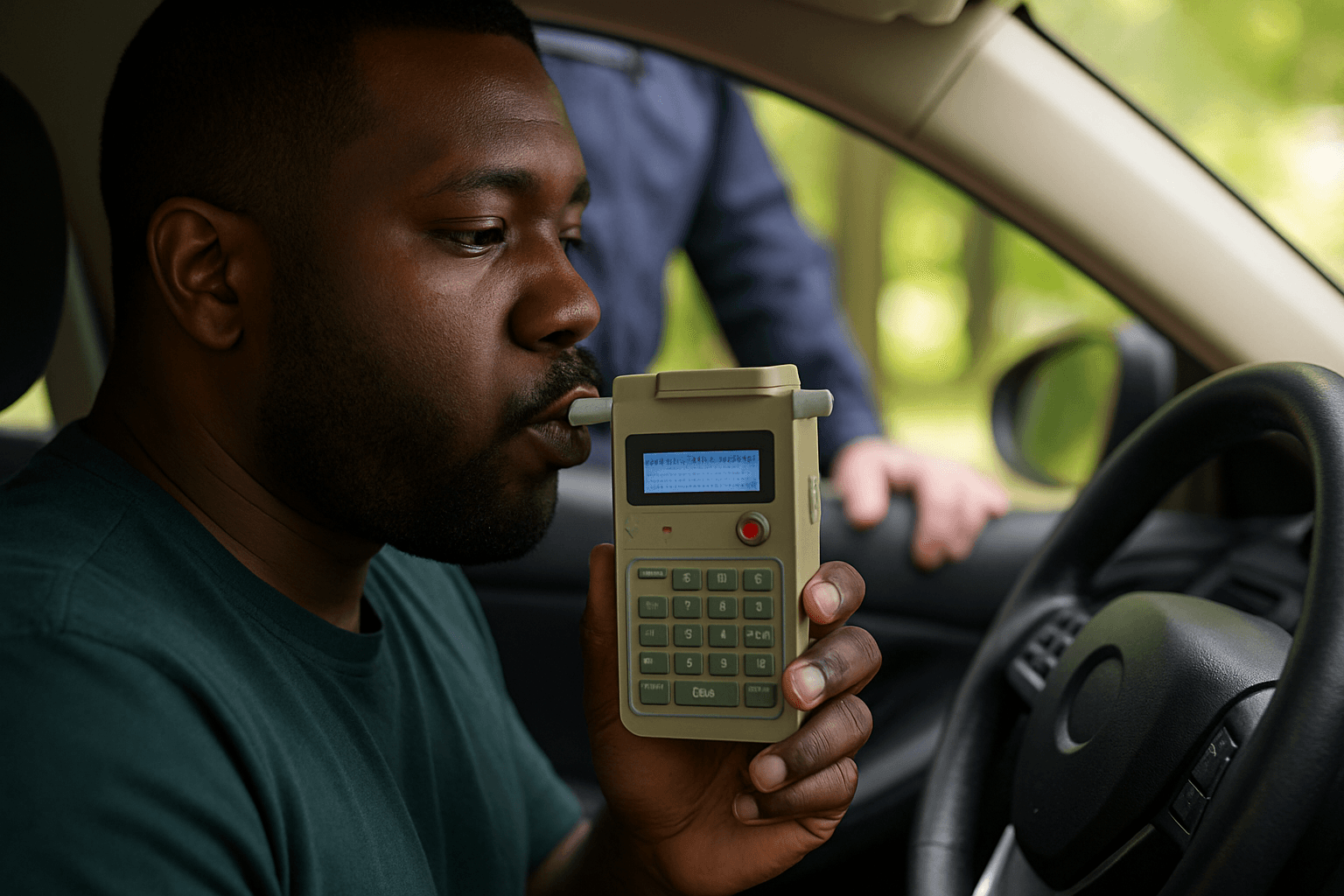
Mississippi requires SR-22 filing before you can reinstate your license after a DUI, and the IID must be installed before the DMV issues your restricted license — timing these steps wrong adds months to your suspension.
What the Mississippi DUI Compliance Timeline Actually Requires
Mississippi requires you to complete SR-22 filing, ignition interlock device installation, and reinstatement fees in a strict sequence that starts the moment your suspension period ends. The DMV will not reinstate your driving privilege until proof of SR-22 coverage is on file, the IID is installed and registered with the Mississippi Department of Public Safety, and you've paid the $150 reinstatement fee.
First-offense DUI convictions trigger a 90-day suspension if your BAC was under 0.16%, or 120 days if it was 0.16% or higher. Second-offense DUI within 5 years brings a 2-year suspension. All second-offense and high-BAC first-offense convictions require ignition interlock for 90 days to 3 years depending on your conviction class.
The SR-22 filing period runs for 3 years from your reinstatement date, not your conviction date. If you delay reinstatement by 6 months, your SR-22 clock doesn't start until the day you actually reinstate — which extends your total time in the non-standard insurance market.
Why Mississippi's SR-22 and IID Sequence Matters for Your Insurance Cost
Most Mississippi drivers start shopping for SR-22 insurance the day their suspension ends, file their SR-22, then realize the DMV won't issue the restricted license until the IID is installed and registered. You're now paying $120-$210/mo for SR-22 coverage on a vehicle you still can't drive.
The correct sequence: confirm your IID installation appointment first, verify the installer will submit the Form DPS-IID-100 to the Department of Public Safety, then purchase SR-22 coverage within 48 hours of installation. Your SR-22 filing triggers DMV notification within 24 hours electronically, and once both the IID registration and SR-22 are in the system, you're eligible to pay your reinstatement fee and receive your restricted license the same day.
Carriers price SR-22 policies based on coverage start date. If you file SR-22 on January 1 but don't get your IID installed until February 15, you've paid for 6 weeks of coverage you couldn't use. Non-standard carriers don't prorate retroactively.
Find out exactly how long SR-22 is required in your state
What Mississippi SR-22 Filing Costs After a DUI
SR-22 filing itself costs $15-$50 depending on your carrier — that's the one-time fee the insurer charges to submit the form to the Mississippi DMV. The actual cost driver is the non-standard auto insurance policy required to maintain that SR-22.
First-offense DUI drivers in Mississippi pay $95-$175/mo for state-minimum SR-22 liability coverage (25/50/25 limits). Second-offense or aggravated DUI convictions push that range to $160-$280/mo. High-BAC first offenses (0.16% or above) typically fall in the $130-$210/mo range. Estimates based on available industry data; individual rates vary by county, vehicle, age, and violation details.
If you're required to maintain an IID, add $70-$120/mo for device lease and monthly calibration fees. Mississippi law does not require you to carry comprehensive or collision coverage while the IID is installed, but the device installer will require proof of liability insurance before installation. Most non-standard carriers writing Mississippi DUI-SR-22 policies: The General, Direct Auto, Acceptance Insurance, Dairyland, GAINSCO.
How Long You'll Maintain SR-22 in Mississippi and What Resets the Clock
Mississippi requires 3 years of continuous SR-22 filing from your reinstatement date for all DUI convictions. The filing period does not start from your conviction date, arrest date, or the first day of your suspension — it starts the day the DMV reinstates your driving privilege.
If your SR-22 policy lapses or cancels for non-payment during the 3-year period, your insurer notifies the Mississippi DMV electronically within 24 hours. The DMV suspends your license immediately and resets your SR-22 filing clock to zero. A lapse of even one day means you start the full 3-year requirement over from the date you reinstate after the lapse suspension.
You cannot substitute proof of insurance for SR-22 during the filing period. The SR-22 form is a separate compliance certificate that sits on top of your liability coverage — your carrier must maintain the electronic filing with the DMV continuously for the full 36 months.
IID Installation Requirements and How They Affect Your SR-22 Timeline
Mississippi requires ignition interlock for all second-offense DUI convictions, all first-offense convictions with BAC of 0.16% or higher, and all DUI convictions involving injury or minors in the vehicle. The required installation period ranges from 90 days for first-offense high-BAC cases to 3 years for second-offense or aggravated convictions.
You must install the IID on every vehicle registered in your name or regularly operated by you. The installer submits Form DPS-IID-100 to the Mississippi Department of Public Safety within 48 hours of installation, and the DMV will not issue your restricted license until that registration is confirmed in their system.
The IID period runs concurrently with your SR-22 filing period, not consecutively. If you're required to maintain an IID for 1 year and SR-22 for 3 years, you'll have the device for the first 12 months and SR-22-only coverage for the remaining 24 months. Do not remove the IID before your court-ordered period ends — early removal triggers a new violation and extends both your IID and SR-22 requirements.
Which Mississippi Carriers Write SR-22 Policies After DUI
Mainstream carriers including State Farm, Geico, Allstate, and Progressive will file SR-22 for existing Mississippi customers but typically non-renew at the end of your 6-month policy term. New DUI-SR-22 policies in Mississippi require the non-standard market.
Carriers actively writing Mississippi DUI-SR-22 policies as of current state filings: The General, Direct Auto, Acceptance Insurance, Dairyland, GAINSCO, Safe Auto. Availability varies by county — Hinds, DeSoto, and Harrison counties have the widest carrier selection; rural Delta counties often limit you to 2-3 non-standard options.
If you don't own a vehicle, Mississippi allows SR-22 filing through a non-owner liability policy. Non-owner SR-22 premiums run $40-$85/mo in Mississippi for first-offense DUI drivers. This satisfies the DMV's SR-22 requirement and allows you to reinstate your license, but you still cannot drive any vehicle without the owner's permission and proof that their policy covers you as a listed driver.
What Happens When You Move States During Your Mississippi SR-22 Period
If you move to another state before your 3-year SR-22 period ends, Mississippi does not release you from the filing requirement. You must notify the Mississippi DMV of your address change and maintain continuous SR-22 filing with a carrier licensed in your new state of residence.
Most states honor Mississippi's SR-22 filing if your new insurer submits the form to Mississippi directly. If you move to a state that uses a different compliance form (California uses SR-1P, Florida and Virginia require FR-44), you'll need to verify with the Mississippi DMV whether the alternate form satisfies your Mississippi obligation.
Your SR-22 filing clock does not pause when you move states. If you've completed 18 months of your 3-year requirement when you relocate to Tennessee, you still owe Mississippi 18 more months of continuous SR-22 filing. The new state may impose its own separate SR-22 requirement based on your violation — those periods stack, they don't replace each other.