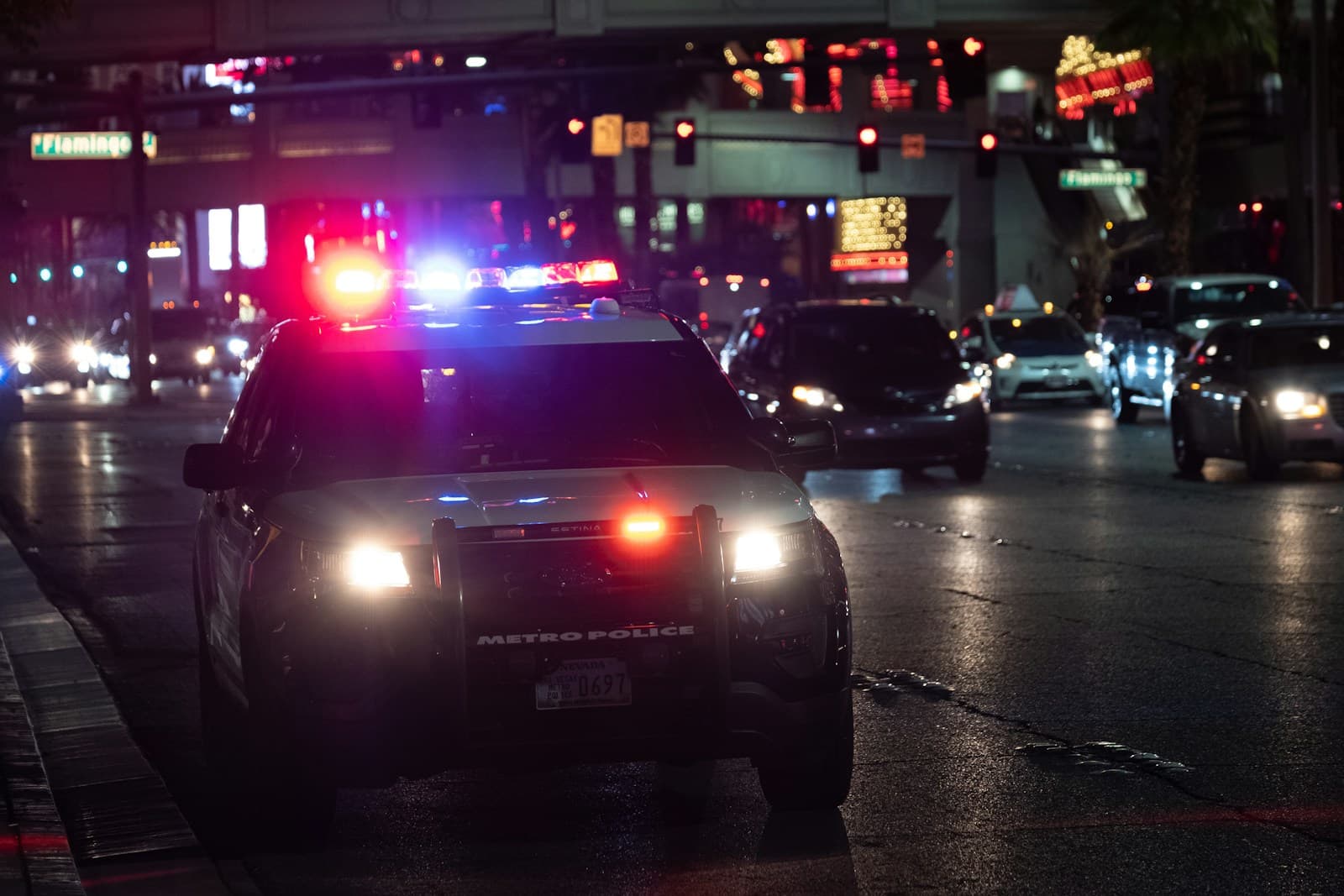
San Francisco DUI convictions carry mandatory 48-hour jail minimums and trigger a 3-year SR-22 filing requirement starting from your conviction date — not your license reinstatement. Here's how the court timeline affects your insurance path.
San Francisco DUI Conviction Timeline and SR-22 Start Date
Your SR-22 filing period in California begins on the date of your DUI conviction, not the date you reinstate your license or the date your suspension starts. This distinction matters in San Francisco because the court process typically takes 60–90 days from arrest to sentencing, and your SR-22 clock is already running once the judge enters your conviction — even if your license is still suspended.
San Francisco County requires mandatory 48-hour jail time for first-offense DUI under local sentencing policies, stricter than surrounding Bay Area counties that often allow alternative sentencing. This custody requirement extends your arraignment-to-sentencing timeline and creates a gap between conviction and your ability to actually drive legally. Most drivers assume the SR-22 period starts when they get their license back, but California counts from conviction, meaning you're already 3–6 month into your 3-year filing requirement before you're back on the road.
California requires SR-22 for 3 years after a DUI conviction, measured from the conviction date per California Vehicle Code 13365. If you're convicted on March 1, 2025, your SR-22 obligation ends March 1, 2028 — regardless of when your license was actually reinstated or when you secured your SR-22 policy. The DMV tracks this by conviction date on your driving record, not by the date you filed your SR-22 certificate.
What Happens at Your San Francisco DUI Arraignment
Your arraignment occurs within 48 hours of arrest if you're in custody, or within 2–3 weeks if you were released on your own recognizance. At arraignment in San Francisco Superior Court (located at 850 Bryant Street, Hall of Justice), you'll enter a plea — not guilty, guilty, or no contest — and the judge sets bail conditions and your next court date.
San Francisco DUI cases are prosecuted aggressively. The District Attorney's office reviews your arrest report, BAC result (if you submitted to testing), and any aggravating factors: BAC over 0.15%, refusal to test, minor in the vehicle, accident or injury. A first-offense DUI with BAC 0.08–0.14% and no aggravating factors is charged as a misdemeanor under California Vehicle Code 23152(a) or 23152(b). BAC over 0.15% triggers an enhanced sentence. Refusal to submit to chemical testing results in a mandatory 1-year license suspension and is used against you in court.
Your arraignment is not your sentencing. The timeline from arraignment to final disposition typically spans 60–90 days in San Francisco, involving pre-trial motions, possible plea negotiations, and scheduling delays. During this period, you face a separate administrative license suspension from the DMV — this runs parallel to the criminal court process and is not paused while your case is pending.
Find out exactly how long SR-22 is required in your state
San Francisco DUI Sentencing and Mandatory Penalties
First-offense DUI sentencing in San Francisco carries mandatory minimums: 48 hours in county jail (or 96 hours of California Highway Patrol-approved work program as alternative), 3–5 years of probation, $1,800–$2,800 in fines and fees, and completion of a 3-month or 9-month DUI education program depending on your BAC. The 48-hour jail minimum is stricter than many California counties where judges routinely suspend jail time for first offenses.
Your license suspension runs concurrently but separately. The DMV suspends your license for 6 months on a first-offense DUI conviction under California Vehicle Code 13352. You become eligible for a restricted license after 30 days if you enroll in DUI school, pay the reinstatement fee, and file SR-22. San Francisco does not issue work licenses — California's restricted license allows you to drive to and from work, during work, and to DUI classes only, and requires an ignition interlock device (IID) installed in any vehicle you operate.
The court orders SR-22 filing as part of your sentencing. Your probation officer or the DMV mails you formal notice of the SR-22 requirement, but the 3-year clock starts on your conviction date regardless of when you receive that notice. Most San Francisco DUI defendants are convicted 60–90 days after arrest, meaning your SR-22 requirement begins before you've completed DUI school enrollment or IID installation.
How SR-22 Filing Works After San Francisco DUI Conviction
SR-22 is not insurance — it's a certificate your insurance carrier files electronically with the California DMV certifying you carry at least the state minimum liability coverage: $15,000 per person for injury, $30,000 per accident for injury, $5,000 for property damage. Your carrier charges a one-time filing fee of $15–$50 to submit the SR-22, and the DMV requires continuous coverage for 3 years from your conviction date.
You cannot reinstate your license without an active SR-22 on file. After serving your 30-day hard suspension, you're eligible for a restricted license if you've enrolled in DUI school, installed an IID, paid the $125 reinstatement fee, and have an SR-22 filed with the DMV. The DMV will not issue your restricted license until all four requirements are met — missing any one blocks reinstatement.
If your SR-22 lapses at any point during the 3-year period, your carrier is required to notify the DMV electronically within 15 days, and the DMV suspends your license immediately. The suspension remains in effect until you file a new SR-22 and pay a $55 reinstatement fee. California does not reset your 3-year clock for a lapse — your end date remains tied to your original conviction date — but you lose driving privileges until you cure the lapse.
San Francisco DUI Insurance Costs and Carrier Availability
A DUI conviction in San Francisco typically increases your insurance premium by 80–140% compared to your pre-conviction rate. A driver paying $110/month before a DUI can expect to pay $200–$265/month after conviction, and that rate persists for 3–5 years depending on the carrier. San Francisco's high cost of living and dense urban driving environment push base rates higher than California's inland regions, and DUI surcharges compound that difference.
Most major carriers — State Farm, Geico, Allstate, Progressive — will file SR-22 for current customers but non-renew your policy at the end of your 6-month or 12-month term. You'll receive a non-renewal notice 30–60 days before your policy expires, forcing you into the non-standard market. New DUI-SR-22 policies in San Francisco are primarily written by non-standard carriers: Bristol West, Dairyland, Kemper, GAINSCO, Acceptance, and The General. These carriers specialize in high-risk drivers and price higher than standard market but will accept DUI convictions without declination.
San Francisco drivers without a vehicle still need SR-22. If you rely on public transit, rideshare, or don't own a car, you can satisfy California's SR-22 requirement with a non-owner SR-22 policy. This covers liability when you drive a borrowed or rental vehicle and costs $30–$60/month depending on your DUI details. The non-owner policy maintains your SR-22 filing and keeps your license valid even if you're not driving daily.
IID Requirement and Its Effect on SR-22 Timeline
California requires an ignition interlock device (IID) for all DUI offenders seeking a restricted license, including first-offense convictions. You must install an IID in any vehicle you own or operate before the DMV issues your restricted license, and the device must remain installed for the duration of your restricted license period — typically 5–6 months until your full reinstatement eligibility.
IID installation costs $70–$150 upfront, plus $60–$90 per month for monitoring and calibration. You pay the IID vendor directly, and the vendor reports compliance to the DMV. If you fail to install the IID or remove it early, the DMV extends your suspension until you comply. Your SR-22 insurance policy does not cover IID costs, and removing the device before your DMV authorization ends triggers an automatic license suspension.
Your IID requirement is separate from your SR-22 filing period. The IID is tied to your restricted license and ends when you're eligible for full reinstatement (after 6 months for first-offense DUI). Your SR-22 requirement continues for 3 years from conviction. Most San Francisco DUI drivers finish their IID obligation 5–6 months after conviction but must maintain SR-22 insurance and their policy for an additional 2+ years to avoid suspension.
Common SR-22 Timeline Mistakes After San Francisco DUI
The most common mistake is assuming your SR-22 period starts when you reinstate your license. California counts from conviction date, meaning you're already months into your 3-year requirement by the time you're driving again. A driver convicted on April 1 who reinstates their license on June 1 still has an SR-22 end date of April 1 three years later — not June 1.
Drivers frequently cancel their SR-22 policy once they receive full license reinstatement, believing the requirement has ended. Your SR-22 obligation is entirely separate from your suspension period. Even after your license is fully reinstated with no restrictions, you must maintain SR-22 for the full 3 years from conviction or the DMV suspends your license again. Verify your SR-22 end date with the DMV before canceling any policy.
San Francisco drivers moving out of state often assume their SR-22 requirement stays in California. If you move to another state while your California SR-22 is still active, you must file SR-22 in your new state of residence (if that state requires SR-22) and notify California DMV of your move. Failing to maintain continuous SR-22 coverage during an interstate move triggers suspension in California, which follows you to your new state and blocks license issuance there.