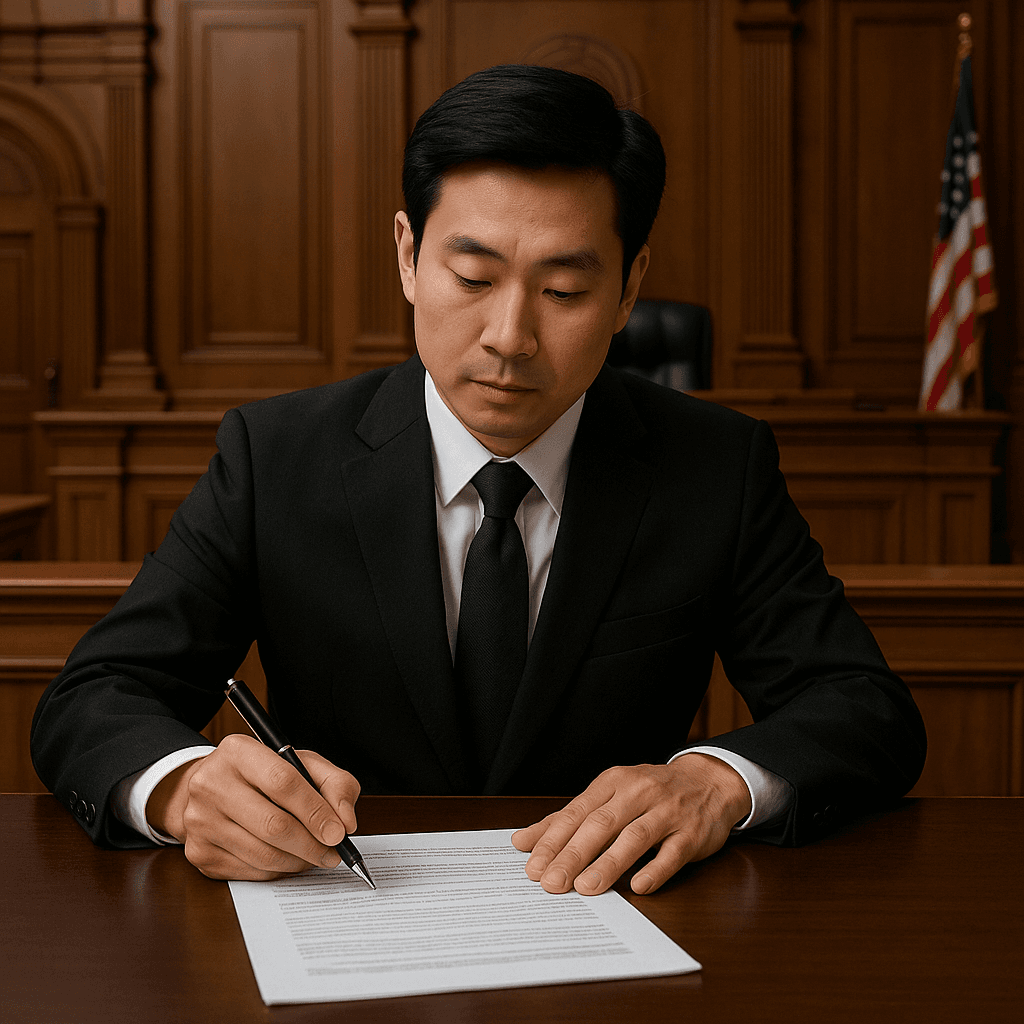
You received a DUI conviction while stationed in North Carolina, then deployed before filing SR-22. The filing clock started at conviction — not when you returned stateside — and any gap resets your entire 3-year requirement.
North Carolina's SR-22 Clock Runs During Deployment
North Carolina requires continuous SR-22 filing for 3 years after a DUI conviction, measured from the conviction date. Deployment overseas does not pause this requirement. If you were convicted in North Carolina military court (summary or special court-martial for DUI) or civilian court while stationed at Fort Bragg, Camp Lejeune, or another NC installation, your filing obligation began immediately — even if you deployed before securing coverage.
The North Carolina Division of Motor Vehicles treats deployment as a continuity issue, not an exemption trigger. If your SR-22 lapses for any reason — including inability to maintain a policy while deployed — the 3-year clock resets to zero on the day you refile. This applies whether the lapse was 30 days or 18 months.
Military members convicted under the Uniform Code of Military Justice (UCMJ) for DUI face dual filing requirements: the military reports the conviction to your home-of-record state DMV and to North Carolina if the offense occurred on or near a North Carolina installation. Most service members stationed in NC maintain North Carolina registration and license during their tour, which subjects them to NC SR-22 rules regardless of home-of-record state.
How Deployment Affects Your SR-22 Filing Timeline
If you were convicted in January 2023 and deployed in March 2023 without filing SR-22, your filing requirement was active but unfulfilled from January 2023 forward. When you return stateside in 2025 and file SR-22, North Carolina starts a new 3-year clock from your 2025 filing date — not from your 2023 conviction date. The two years you were deployed do not count toward your requirement.
Service members who maintain continuous SR-22 filing during deployment — typically through a non-owner SR-22 policy if no vehicle is stateside — preserve their filing start date and accrue time toward the 3-year requirement. A non-owner SR-22 costs approximately $25–$45 per month and satisfies the filing mandate even when your vehicle is in storage or you're overseas without a car.
North Carolina does not recognize deployment as grounds for filing suspension or timeline extension. The NC DMV has no formal hardship waiver process for military deployment, and JAG offices cannot defer state-level SR-22 obligations. Your conviction triggers the clock. Your filing continuity determines when it ends.
Find out exactly how long SR-22 is required in your state
UCMJ DUI Convictions and Civilian SR-22 Requirements
A DUI conviction at court-martial triggers the same SR-22 filing requirement as a civilian conviction in North Carolina. The military reports UCMJ DUI convictions (Article 111) to the state DMV where the offense occurred and to your home-of-record state. If convicted at a North Carolina installation, you face North Carolina SR-22 rules: 3-year continuous filing, FR-10 proof of financial responsibility, and possible administrative license suspension even if you hold an out-of-state license.
North Carolina processes military DUI convictions identically to civilian offenses for SR-22 purposes. The conviction class — standard DUI (BAC 0.08–0.14%), aggravated DUI (BAC 0.15%+, refusal, minor in vehicle, injury), or repeat offense — determines your filing period and carrier acceptance. First-offense standard DUI: 3 years. Aggravated or repeat offense: 3 years minimum, often extended by court order to 5 years.
Most service members convicted under UCMJ also face non-judicial punishment (NJP), reduction in rank, or administrative separation proceedings. These do not affect your SR-22 filing requirement or timeline, but they compound the financial pressure of securing non-standard insurance while managing reduced income or transition to civilian status.
Which Carriers Write SR-22 Policies for Deployed Service Members
Most major carriers — GEICO, USAA, State Farm, Armed Forces Insurance — will file SR-22 for existing military policyholders but typically non-renew at the end of the current term after a DUI conviction. New SR-22 policies post-conviction require the non-standard market. GEICO and Progressive write limited non-standard policies for military members with DUI convictions, but approval depends on BAC level, prior violations, and whether you can demonstrate stateside residence and vehicle registration.
Non-standard carriers available to North Carolina military SR-22 filers include Dairyland, Bristol West, The General, Acceptance, and National General. Monthly premiums for SR-22 coverage after a first-offense DUI range from $180–$310 for liability-only coverage (North Carolina minimum: 30/60/25). Add collision and comprehensive if financing a vehicle: expect $270–$450 per month.
If you do not own a vehicle or your vehicle is in storage during deployment, a non-owner SR-22 policy satisfies North Carolina's filing requirement. Non-owner SR-22 premiums for military members with DUI convictions range from $35–$65 per month. This keeps your filing active and prevents clock reset while you're overseas. USAA does not write non-owner SR-22 policies, but Progressive, Dairyland, and The General do.
Filing SR-22 After Returning from Deployment
When you return stateside, contact a non-standard carrier licensed in North Carolina within 10 days of reestablishing residency. The carrier files SR-22 electronically with the NC DMV, typically processed within 24–72 hours. You receive a filing confirmation by mail and email. North Carolina does not charge a separate SR-22 filing fee — the cost is embedded in your policy premium.
If your license was suspended due to conviction and you did not surrender it before deployment, you must complete reinstatement before SR-22 filing will restore driving privileges. North Carolina DUI reinstatement requirements include: $50 restoration fee, DUI education (ADETS: Alcohol and Drug Education Traffic School, 16 hours, $100 program fee), possible substance abuse assessment if BAC was 0.15% or higher, and proof of SR-22 filing. Reinstatement processing takes 7–10 business days after all requirements are submitted.
If you completed reinstatement requirements while deployed — ADETS can be completed online for military members overseas — submit proof of completion to the NC DMV along with your SR-22 filing and restoration fee. The DMV will process reinstatement and mail your new license to your stateside address. Your 3-year SR-22 filing clock begins the day the DMV receives your SR-22 filing, not the day your license is physically reissued.
What Happens If You Move States After Deployment
If you PCS to another state or separate from service and relocate, your North Carolina SR-22 requirement follows you. You must maintain continuous SR-22 filing for the full 3-year period regardless of where you live or hold a driver's license. When you establish residency in a new state, obtain a new SR-22 policy from a carrier licensed in that state and ensure they file SR-22 with both your new state DMV and North Carolina.
North Carolina requires out-of-state filers to maintain dual SR-22 filing until the 3-year North Carolina requirement is satisfied. Your new state may impose its own SR-22 requirement if you apply for a license there with a DUI conviction on your record. This creates overlapping filing obligations: you're filing SR-22 to satisfy North Carolina's mandate and possibly a separate SR-22 or FR-44 (if moving to Virginia) to satisfy your new state's licensing rules.
Some carriers write multi-state SR-22 policies that file in multiple jurisdictions simultaneously. Progressive, Dairyland, and National General offer this in most states. Expect premiums to increase 15–25% for dual-state filing due to administrative cost and elevated risk classification. If you move to a state that does not require SR-22 for DUI (Wisconsin, for example), you still must maintain North Carolina SR-22 filing for the full 3 years or face indefinite North Carolina license suspension.