Utah requires court fees paid and your Driver License Division hearing completed before SR-22 filing can trigger reinstatement. Most drivers file SR-22 too early and wait months wondering why their license stays suspended.
Court fees and DLD hearing clearance come before SR-22 in Utah's reinstatement sequence
Utah Driver License Division will not lift a DUI suspension until three conditions are met in order: all court-ordered fines and fees paid in full, your administrative hearing completed (or the 29-day appeal window closed), and SR-22 insurance filed with continuous coverage. Filing SR-22 on day one after your DUI conviction does nothing if the court fee balance is unpaid or your DLD hearing is still pending. The SR-22 sits inactive in the system, and your 3-year filing clock doesn't start until DLD processes reinstatement.
Most drivers assume SR-22 is the first step because it's the most visible post-DUI requirement. Carriers and aggregators emphasize SR-22 filing immediately after conviction, which creates a compliance gap. You pay the filing fee, maintain expensive SR-22 coverage for months, and your license stays suspended because the actual prerequisite steps weren't completed first.
Utah structures DUI reinstatement as a gated process. Court obligations close first. Administrative obligations (the DLD hearing on your driving privilege) close second. Only then does SR-22 filing trigger the reinstatement eligibility review. Skipping ahead wastes time and money.
What Utah's DLD hearing determines and when it must be completed
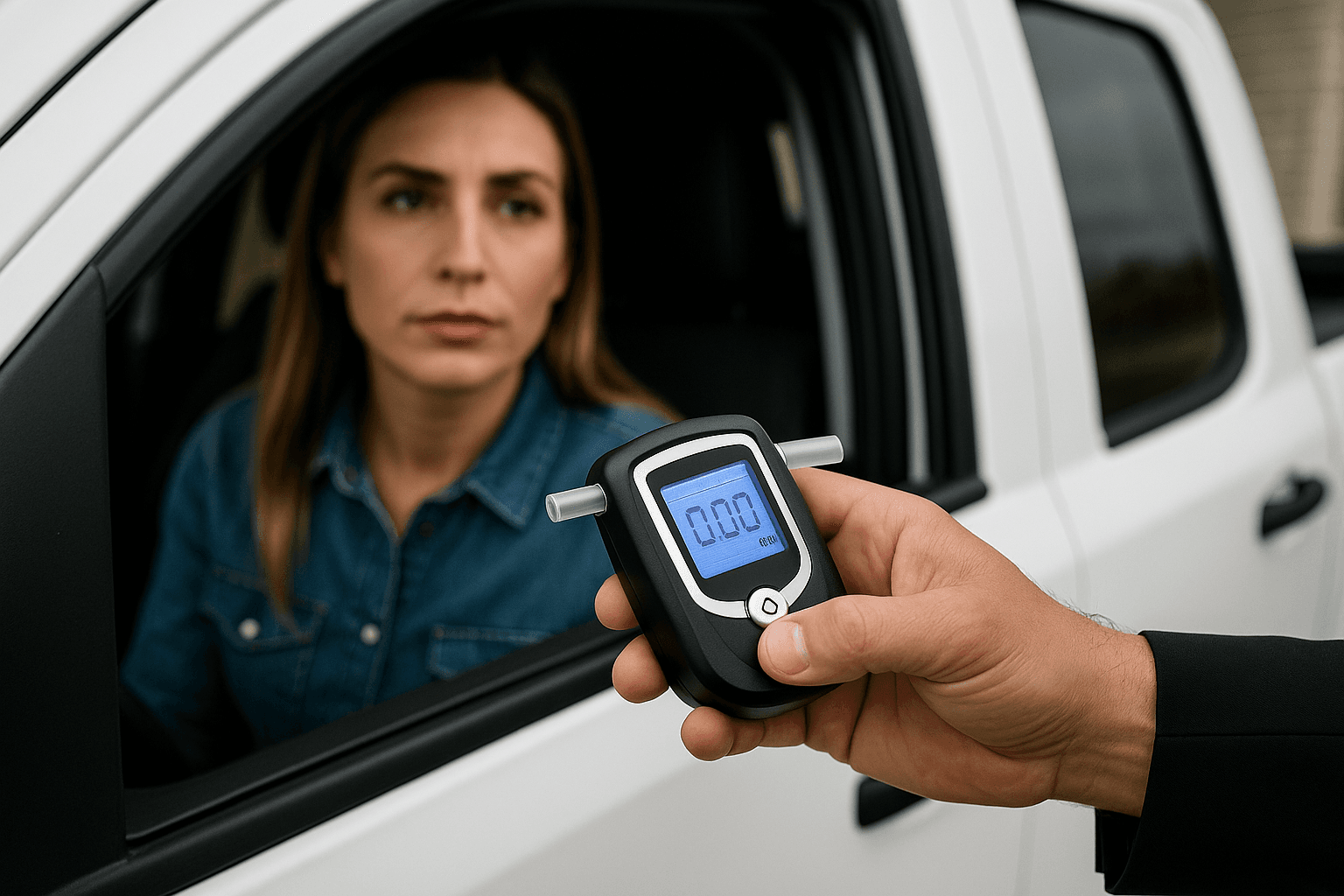
Utah's Driver License Division conducts an administrative hearing separate from your criminal DUI case. This hearing decides whether your driving privilege is suspended based on BAC results or refusal to submit to chemical testing. The hearing must be requested within 10 calendar days of your arrest. If you miss that window, the suspension becomes automatic and the hearing right is forfeited.
The hearing itself typically occurs 4 to 6 weeks after your request. DLD reviews the arresting officer's report, BAC results, and your testimony if you choose to appear. Even if you win your criminal DUI case in court, the DLD hearing operates under a lower burden of proof and frequently upholds the suspension. A conviction in criminal court guarantees the administrative suspension continues.
Once the hearing concludes and any suspension period is served (or the appeal window closes if you don't contest), DLD issues a clearance letter. That clearance is the signal that you can move to the next compliance step. Without it, SR-22 filing does not advance your reinstatement timeline. Drivers who file SR-22 before receiving DLD clearance are paying for coverage that cannot yet satisfy the state requirement.
Find out exactly how long SR-22 is required in your state
Court fines, fees, and restitution must show zero balance before reinstatement eligibility
Utah courts impose a base fine for DUI convictions — typically $1,470 for a first-offense standard DUI, plus surcharges, booking fees, and any restitution ordered if property damage or injury occurred. Aggravated DUI (BAC 0.16 or higher, minor in vehicle, injury, or third offense within 10 years) carries higher fines and mandatory jail time that delays the entire compliance timeline.
The court payment plan is separate from your license reinstatement. You can be on a payment plan and still have an active suspension. DLD requires full payment before reinstatement eligibility is reviewed. The court clerk's office must transmit a satisfaction notice to DLD confirming the balance is zero. That transmission can take 7 to 10 business days after your final payment posts.
Drivers frequently call DLD expecting reinstatement the day after their last court payment clears. The satisfaction notice hasn't transmitted yet, so DLD shows an outstanding balance and denies the reinstatement application. You then wait another week, refile, and lose more days of suspension. Confirm the court has transmitted the satisfaction notice to DLD before attempting reinstatement.
Where ignition interlock device installation fits in Utah's compliance sequence
Utah requires an ignition interlock device (IID) for most DUI convictions as a condition of reinstatement. First-offense standard DUI with BAC under 0.16 and no aggravating factors may qualify for a restricted license without IID, but that waiver is rare and requires court approval. Aggravated DUI, refusal cases, and any second or subsequent offense mandate IID for 18 months minimum.
IID installation must occur before you can drive, but it is not a prerequisite for SR-22 filing or reinstatement application. You can apply for reinstatement, receive approval, and then schedule IID installation before driving. The practical sequence most drivers follow: pay court fees, complete DLD hearing, file SR-22, apply for reinstatement, install IID, receive restricted or full license depending on conviction class.
The IID requirement runs concurrently with your SR-22 filing period in most cases. Utah requires 3 years of SR-22 for standard DUI, 5 years for repeat offenses. If your IID period is 18 months and your SR-22 period is 3 years, you must maintain SR-22 coverage for 18 months after IID is removed. Letting SR-22 lapse at any point during the 3-year period resets the clock to zero and triggers a new suspension.
How to confirm your SR-22 filing will actually activate reinstatement
Call Utah Driver License Division at 801-965-4437 before purchasing SR-22 coverage. Provide your driver license number and ask three questions: Is my administrative hearing closed? Is my court satisfaction notice on file? Am I eligible to file SR-22 for reinstatement? If the answer to any question is no, do not file SR-22 yet.
Once DLD confirms eligibility, contact a carrier licensed to write non-standard auto in Utah and request SR-22 filing. Most major carriers (State Farm, Geico, Allstate) will file SR-22 for existing customers but non-renew at policy term after a DUI. New post-DUI SR-22 policies typically require non-standard market carriers: Dairyland, The General, Bristol West, GAINSCO, or Direct Auto. Monthly premiums for DUI-SR-22 coverage in Utah range from $110 to $220 depending on conviction class, age, and prior insurance history.
The carrier files SR-22 electronically with DLD within 24 to 48 hours. DLD processes the filing and updates your record. You can check filing status online through the Utah DLD driver license portal or by calling the reinstatement desk. Once SR-22 filing is confirmed and all other conditions are met, DLD issues reinstatement approval. You then pay the $55 reinstatement fee and schedule IID installation if required.
What happens if you file SR-22 out of sequence
Filing SR-22 before court fees are paid or DLD hearing is closed creates a coverage obligation with no reinstatement benefit. You are now carrying expensive SR-22 insurance, paying the filing fee, and maintaining continuous coverage, but your license remains suspended and your 3-year SR-22 clock has not started.
Some drivers assume the SR-22 filing period starts from the date the carrier submits the form. It does not. Utah's 3-year SR-22 requirement begins on the date DLD processes your reinstatement and your driving privilege is restored. If reinstatement is delayed 6 months because court fees weren't paid, you have been paying for SR-22 coverage for 6 months that does not count toward your 3-year obligation.
Carriers do not refund SR-22 filing fees or prorate premiums if your license is not yet eligible for reinstatement. Once the policy is issued and the SR-22 is filed, you own that coverage period. The only way to avoid paying for SR-22 coverage you cannot use is to confirm reinstatement eligibility with DLD before contacting a carrier.