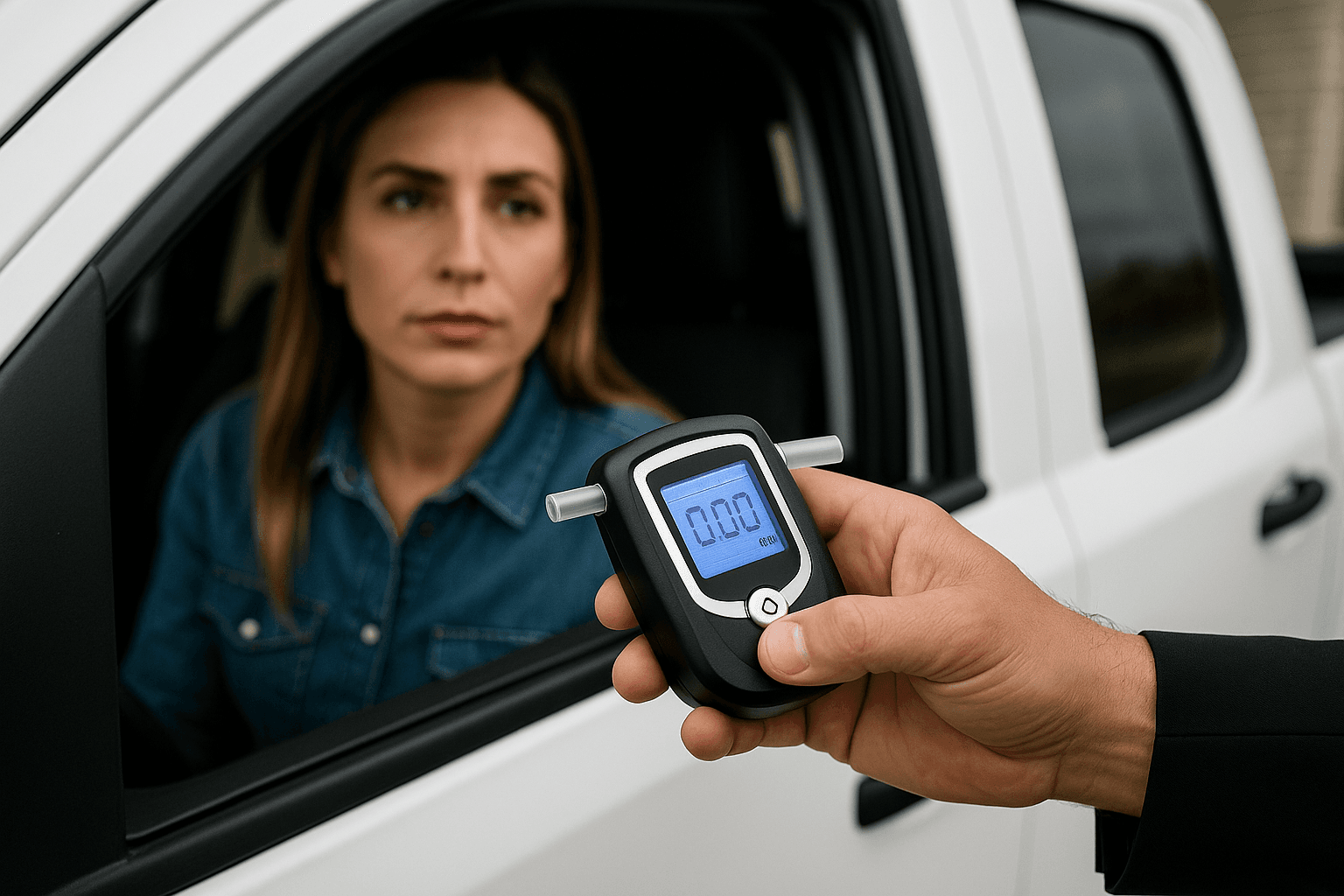
Pennsylvania DUI compliance follows a specific order set by the court and PennDOT. Filing SR-22 before your reinstatement eligibility date wastes time — here's the actual sequence and what triggers each step.
Why Pennsylvania DUI Compliance Follows a Legally Mandated Order
Pennsylvania DUI sentencing triggers three separate timelines that don't start simultaneously: court-ordered fees and assessments are due within 30 days of sentencing, your license suspension begins the day the judge signs your order, and SR-22 filing eligibility opens only after PennDOT calculates your reinstatement date based on suspension length and IID requirements. Most drivers call insurers the day after sentencing asking for SR-22, but PennDOT won't accept the filing until your reinstatement eligibility window opens, typically 30–90 days before your suspension ends.
The confusion costs time and money. Carriers quote SR-22 policies that can't be activated yet, drivers pay application fees for filings PennDOT rejects as premature, and the actual reinstatement deadline approaches while paperwork sits in limbo. Pennsylvania ties SR-22 acceptance to your Driver License Restoration Requirements notice, which PennDOT mails 4–6 weeks before your eligible reinstatement date.
First-offense standard DUI carries a 12-month suspension. Aggravated DUI (BAC 0.16+, minor in vehicle, refusal) extends that to 12–18 months. Repeat offenses trigger 18-month minimum suspensions. IID installation adds another layer — you can't file SR-22 until the ignition interlock provider submits proof of installation to PennDOT, and that transmission can take 7–10 business days after your appointment.
What Happens in the First 30 Days After Sentencing
Court fees, fines, and DUI program enrollment dominate the first month. Pennsylvania assesses a base fine of $300–$5,000 depending on offense class, plus mandatory costs: $50 Crime Victim Compensation Fund fee, $25 Emergency Medical Services surcharge, and court administrative costs typically $200–$400. Payment is due within 30 days unless the court grants a payment plan at sentencing.
Alcohol Highway Safety School enrollment is required within 30 days for first offenses. The 12.5-hour CRN-certified program costs $150–$300 depending on provider, and completion certificates must reach PennDOT before reinstatement. Aggravated and repeat offenses require Intermediate or Intensive Outpatient treatment, which ranges from 6 weeks to 6 months and costs $800–$3,500 out of pocket if insurance doesn't cover it.
Your license physically surrenders to the court or PennDOT within 15 days of sentencing. Driving during suspension adds 60–90 days to your suspension period and triggers additional fines of $500–$1,000. If you need to drive for work, apply for an Occupational Limited License within the first 30 days — eligibility opens 60 days into your suspension for most first offenses, but only if all fees are paid and DUI school enrollment is confirmed.
Find out exactly how long SR-22 is required in your state
When IID Installation Must Happen and How It Delays SR-22
Pennsylvania requires ignition interlock for one year minimum on all DUI convictions with BAC 0.10% or higher, any aggravated DUI, and all second or subsequent offenses within 10 years. Installation must occur before reinstatement — you cannot legally drive, even with an Occupational Limited License, until the IID is installed and PennDOT receives electronic confirmation from the provider.
Installation costs $100–$200, with monthly calibration and monitoring fees of $75–$100 for the entire one-year period. Total IID cost for a standard 12-month requirement: $1,000–$1,400. The provider — typically Smart Start, Intoxalock, or LifeSafer in Pennsylvania — submits compliance data to PennDOT electronically, but that first installation confirmation can take 7–10 business days to process in the state system.
SR-22 filing cannot proceed until PennDOT shows IID installation complete in your driver record. Most insurers verify reinstatement eligibility directly through PennDOT's real-time system before issuing the SR-22 certificate. If the IID installation confirmation hasn't posted, the SR-22 filing is rejected. Drivers who schedule IID installation the week before their reinstatement date frequently miss their reinstatement window because the provider's submission hasn't cleared PennDOT yet.
When You Can Actually File SR-22 and What Triggers Eligibility
PennDOT mails a Driver License Restoration Requirements notice 30–45 days before your reinstatement eligibility date. This notice lists every requirement you must satisfy: outstanding fines, DUI school completion certificate, IID installation confirmation, and SR-22 filing. Your reinstatement eligibility date is calculated from your suspension start date plus the full suspension period, adjusted for any additional penalties like driving under suspension.
SR-22 filing becomes possible once PennDOT posts your reinstatement eligibility in their system, typically 30 days before your scheduled reinstatement date. Carriers verify eligibility electronically before issuing the SR-22 form, which means calling for quotes earlier wastes time — the insurer can't complete the filing until PennDOT opens your eligibility window.
Once filed, SR-22 must remain active for one year from reinstatement for most first offenses, three years for repeat offenses. The clock starts the day PennDOT reinstates your license, not the day the SR-22 is filed. Letting the SR-22 lapse even one day during the required period triggers automatic re-suspension and restarts the entire SR-22 filing period from zero. PennDOT receives electronic notice of cancellation within 24 hours, and your license suspension notice follows within 10 days.
What SR-22 Insurance Costs After a Pennsylvania DUI
Pennsylvania SR-22 insurance rates after DUI typically range from $180–$320/mo for state minimum liability coverage, compared to $85–$140/mo for drivers with clean records. The DUI violation itself drives the rate increase — 80–140% above clean-record rates — and the SR-22 filing adds another $25–$50 annually in administrative fees.
Most major carriers including State Farm, Geico, Allstate, and Progressive will file SR-22 for existing customers after a DUI, but nearly all non-renew the policy at the end of the current term. New DUI-SR-22 policies require the non-standard market: Bristol West, Dairyland, The General, and National General actively write Pennsylvania DUI cases. GAINSCO and Direct Auto operate in the state but availability varies by county.
Payment structure matters for drivers managing court fees, IID costs, and reinstatement fees simultaneously. Non-standard carriers typically require 20–30% down and monthly payments, compared to the 10–15% down standard carriers offered before the DUI. A $200/mo SR-22 policy requires $400–$600 upfront, plus PennDOT's $100 reinstatement fee due the day you restore your license. Budgeting for $1,500–$2,000 in month-one costs — down payment, first month premium, reinstatement fee, and final IID calibration — prevents missing the reinstatement window because funds aren't available.
The Actual Compliance Timeline From Sentencing to Reinstatement
Day 1–30: Pay court fines and fees, enroll in mandatory DUI education, surrender license, apply for Occupational Limited License if work-eligible. Do not call insurers for SR-22 yet — PennDOT won't accept the filing.
Day 60–90: Complete DUI education program and submit certificate to PennDOT. If IID is required, schedule installation for 30 days before your reinstatement eligibility date to allow processing time. Begin shopping SR-22 quotes from non-standard carriers, but do not purchase a policy until PennDOT mails your Restoration Requirements notice.
Day 300–330 (for 12-month suspension): Receive Restoration Requirements notice from PennDOT. Confirm IID installation is posted in your driver record. Purchase SR-22 policy from a licensed carrier. The carrier files SR-22 electronically with PennDOT within 24–48 hours. Pay $100 reinstatement fee online or at a PennDOT Driver License Center. Once all requirements clear PennDOT's system, your reinstatement is processed within 3–5 business days.
Missing any single step delays reinstatement and extends the time you're paying for IID monitoring without being able to drive legally. PennDOT does not reinstate partial compliance — every requirement must show satisfied in their system simultaneously before your license is restored.