North Carolina's DUI compliance isn't parallel — it's sequential. Court sentencing determines your SR-22 period and IID duration, but DMV won't send filing instructions until 30 days before your suspension starts. Here's the order that actually saves you time.
Court Sentencing Comes First and Sets Every Other Deadline
Your DUI conviction sentencing in North Carolina triggers every subsequent compliance requirement — the SR-22 filing period, ignition interlock device (IID) installation window, and restoration eligibility date all stem from your court judgment, not from DMV action. The court typically sentences within 60 days of conviction for a first-offense DWI, and the judgment will specify your license revocation period (minimum 1 year for first offense), whether you're IID-eligible for limited driving privileges, and any substance abuse assessment requirements.
North Carolina operates under a two-track system: criminal court proceedings (where you're sentenced) and DMV administrative action (where your license is actually revoked). The court's revocation order flows to DMV, which then processes the administrative suspension and eventually issues restoration instructions. This gap creates the timing confusion most drivers face.
Your SR-22 filing period in North Carolina is 3 years for a first-offense DWI, measured from your conviction date, not your filing date or restoration date. If you're convicted on March 1, 2025, your SR-22 requirement runs through March 1, 2028, regardless of when you actually file or restore your license. Delaying SR-22 filing doesn't delay the end date — it only delays when your clock starts counting down.
IID Installation Happens Before SR-22 Filing if You Want Limited Privileges
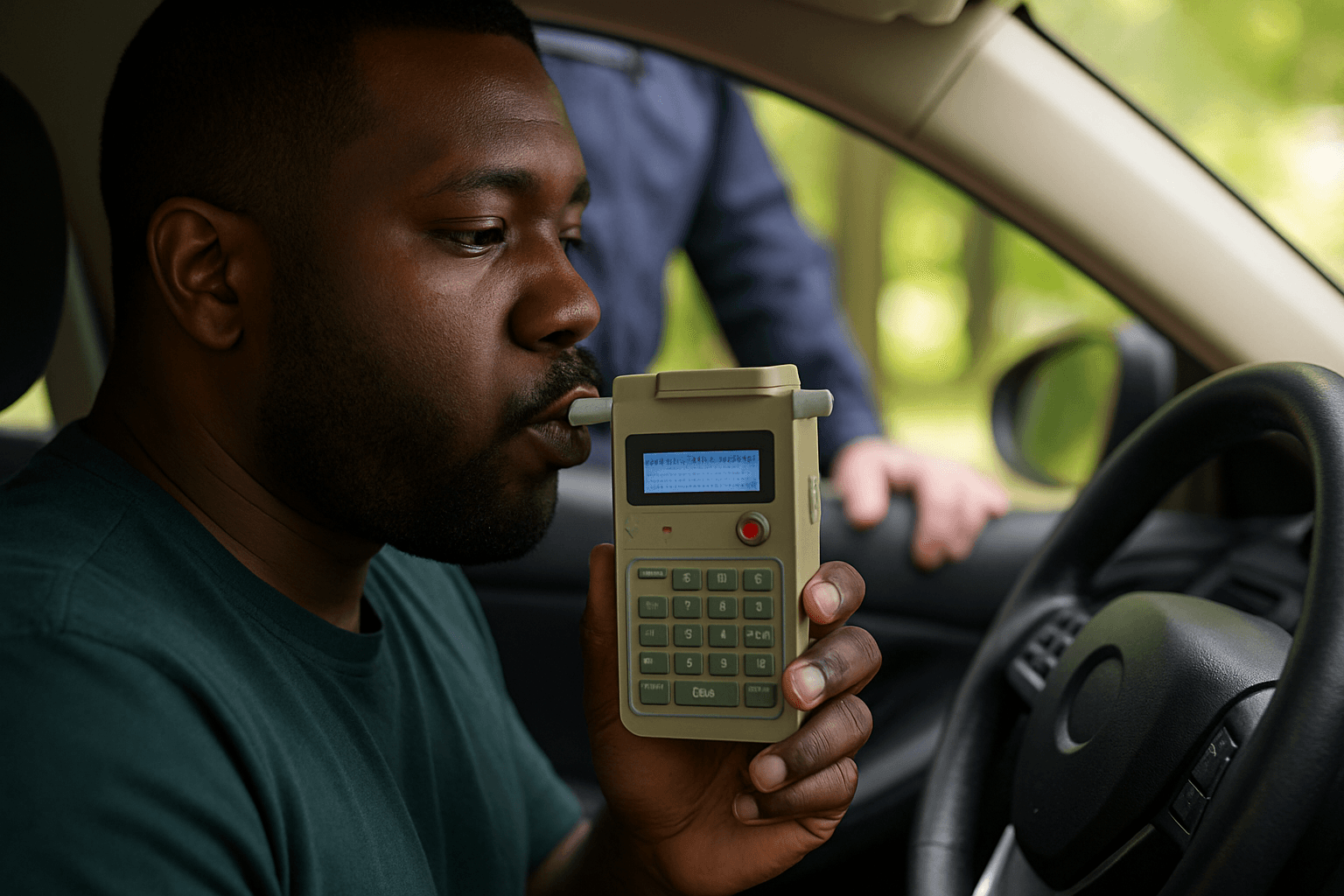
North Carolina requires ignition interlock installation before you can apply for a limited driving privilege during your revocation period. For a first-offense DWI, you're IID-eligible 30 days after your revocation begins if your BAC was below 0.15. If your BAC was 0.15 or higher, or if this is a repeat offense, the mandatory IID period extends to 12 months minimum.
You cannot drive legally — even under a limited privilege — until the IID is physically installed in your vehicle and the installation provider files proof with DMV. This installation must occur before you file for limited privileges with the court, and you'll need an SR-22 on file to complete that privilege application. The sequence: IID installation, then SR-22 filing, then limited privilege court hearing.
Most IID providers in North Carolina charge $100–$150 for installation and $70–$100 per month for monitoring and calibration. You're responsible for these costs for the entire mandatory period, and skipping a single calibration appointment (required every 30–60 days) can result in privilege revocation and IID period extension.
Find out exactly how long SR-22 is required in your state
SR-22 Filing Comes After Court Sentencing but Before License Restoration
North Carolina DMV will not accept your SR-22 filing until after your court sentencing is processed through their system, which typically takes 10–20 days from your conviction date. You'll receive a revocation notice from DMV by mail listing your restoration eligibility date and stating that SR-22 proof of insurance is required for restoration. This notice arrives 30–45 days after conviction for most first-offense cases.
You can file SR-22 immediately after receiving DMV's revocation notice, and doing so starts your proof-of-compliance timeline even if you're not yet eligible to restore. North Carolina requires continuous SR-22 coverage for the full 3-year period — any lapse, even one day, resets your filing period to zero and triggers a new suspension. Filing early gives you buffer room against policy lapses.
SR-22 insurance in North Carolina after a DWI typically costs $140–$220 per month for minimum liability coverage through a non-standard carrier. State Farm, Geico, and Progressive will file SR-22 for existing customers but usually non-renew at policy term. New DWI-SR-22 policies generally require non-standard market carriers: Dairyland, The General, Safe Auto, or Direct Auto, all of which operate in North Carolina and specialize in post-DUI filings.
Court Costs and Restoration Fees Stack at Different Deadline Points
North Carolina assesses court costs at sentencing — typically $600–$1,200 for a first-offense DWI, including the $100 substance abuse assessment fee and mandatory fine. These costs are due according to the payment plan set by the court, often within 90 days of sentencing, and must be paid before you're eligible to apply for license restoration.
DMV restoration fees are separate and paid directly to DMV when you restore your license after completing your revocation period. North Carolina charges a $130 restoration fee for a first-offense DWI revocation. If you're restoring after a suspension for failing to maintain SR-22 (i.e., you let your policy lapse), you'll pay a $50 lapse fee on top of the base restoration fee.
The restoration application itself cannot be submitted until all court-ordered requirements are complete: substance abuse assessment, DWI education course (16-hour ADETS program), payment of all fines and costs, and 1 year minimum revocation period served. Your SR-22 must already be on file with DMV when you apply, not submitted at the time of application.
How Missing One Deadline Resets Your Entire Timeline
Letting your SR-22 policy lapse at any point during the 3-year filing period triggers an immediate indefinite suspension in North Carolina and resets your 3-year SR-22 requirement to day zero. If you lapse 2 years into your filing period, you owe 3 full additional years from the date you refile, not just 1 year to complete the original period.
Missing an IID calibration appointment while driving under limited privileges results in privilege revocation and extends your mandatory IID period by the length of the violation — typically 30–90 days depending on how long the device goes uncalibrated. You'll need to petition the court again for privilege reinstatement and pay a new filing fee.
Failing to complete court-ordered substance abuse treatment or DWI education by the deadline specified in your sentencing order can delay your restoration eligibility by months and may trigger a probation violation if you're on supervised probation. North Carolina courts do not automatically extend restoration eligibility if you miss treatment deadlines — you'll need to petition for modification, which adds legal fees and court time to your compliance path.