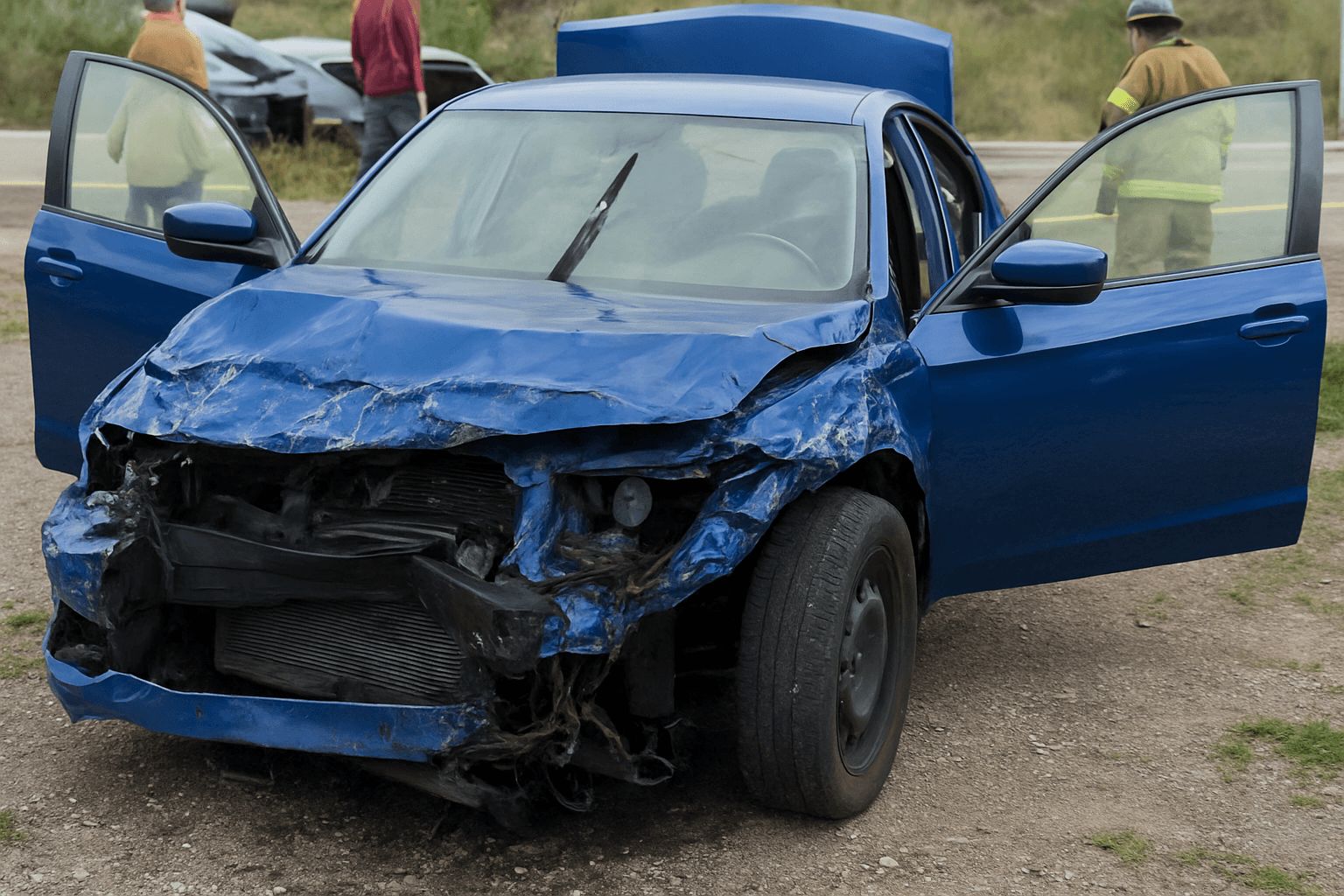
A DUI conviction in Wyoming doesn't automatically forfeit your financed vehicle, but your lender may require collision and comprehensive coverage to protect their collateral — and SR-22 filing may limit which carriers will write you.
Wyoming Lenders Cannot Repossess Based on DUI Conviction Alone
Your auto loan agreement in Wyoming does not grant the lender repossession rights based solely on a DUI conviction. The loan contract is secured by the vehicle as collateral, and as long as you continue making scheduled payments and maintain the insurance coverage required by the financing agreement, the lender has no legal grounds to repossess.
The complication surfaces in the insurance requirement clause. Nearly all auto financing agreements require collision and comprehensive coverage to protect the lender's interest in the vehicle. After a DUI conviction triggers an SR-22 filing requirement in Wyoming, your existing carrier will typically non-renew your policy at term, and finding a replacement carrier willing to write full coverage for a DUI driver is substantially harder and more expensive than finding liability-only SR-22 coverage.
If you allow your full-coverage policy to lapse or downgrade to liability-only without lender consent, you violate the financing agreement. That violation — not the DUI itself — gives the lender grounds to accelerate the loan, demand immediate payment in full, or initiate repossession. The DUI creates the insurance problem; the insurance problem creates the financing problem.
How Wyoming SR-22 Filing Requirements Interact with Financed Vehicles
Wyoming requires SR-22 filing for 3 years following a DUI conviction, measured from the date of conviction. The SR-22 is a continuous filing — your carrier reports your active insurance status directly to the Wyoming Department of Transportation, and any lapse triggers an automatic license suspension and restarts your 3-year filing clock from zero.
SR-22 is a filing method, not a coverage type. You can attach SR-22 to liability-only coverage, full coverage, or a non-owner policy. For a financed vehicle, you must attach SR-22 to a full-coverage policy that includes collision and comprehensive to satisfy both the state and your lender.
Most mainstream carriers will file SR-22 for existing customers but non-renew the policy at the end of the current term. That gives you roughly 6 months to find a non-standard carrier willing to write full coverage with SR-22 filing. Non-standard carriers willing to accept DUI drivers in Wyoming include Dairyland, The General, Bristol West, Direct Auto, and GAINSCO, though availability and acceptance vary by driver history and vehicle value. Expect premiums 70–150% higher than your pre-DUI rate.
Find out exactly how long SR-22 is required in your state
What Happens If You Can't Afford Full Coverage with SR-22
If full-coverage premiums exceed what you can sustain, you face three options: pay the loan off early and drop to liability-only SR-22, refinance the vehicle if equity exists, or surrender the vehicle voluntarily to avoid repossession and the deficiency balance that follows.
Downgrading to liability-only coverage without lender approval will result in a breach-of-contract notice within 30–60 days. Most lenders will force-place collision and comprehensive coverage on your behalf and bill you for it — typically at 2–4 times the market rate. If you don't pay the force-placed premium or bring your own full-coverage policy current, the lender will repossess.
Voluntary surrender is not consequence-free. You return the vehicle to the lender, who sells it at auction and applies the sale proceeds to your loan balance. You remain liable for the deficiency — the difference between what you owed and what the vehicle sold for. That deficiency appears as a collections account on your credit report and can be pursued through wage garnishment in Wyoming. If your loan balance is close to the vehicle's current value, voluntary surrender may still be the least-damaging option compared to maintaining unaffordable premiums for 3 years.
SR-22 Rate Factors Specific to Wyoming DUI Drivers with Financed Vehicles
Non-standard carriers price SR-22 policies based on conviction class, vehicle value, coverage limits, and geographic risk. Wyoming has no major metro areas, which moderates theft and collision frequency compared to urban states, but DUI drivers still face significant rate increases.
A first-offense standard DUI in Wyoming with SR-22 filing and full coverage on a financed vehicle typically costs $180–$280 per month, depending on vehicle value and driver age. Aggravated DUI (BAC over 0.15, minor in vehicle, or refusal) pushes premiums to $220–$340 per month. Repeat-offense DUI may exceed $350 per month or result in outright declination from even non-standard carriers.
Vehicle value directly impacts your ability to find affordable full coverage. Carriers are more willing to write collision and comprehensive on vehicles worth under $15,000 than on newer financed vehicles with loan balances exceeding $25,000. If your financed vehicle is worth substantially more than typical non-standard carrier acceptance thresholds, you may receive quotes only for liability coverage, forcing you into the lender breach scenario described above.
How to Maintain Financed Vehicle Ownership After a DUI in Wyoming
Contact your current carrier immediately after conviction to confirm whether they will file SR-22 and whether they plan to non-renew. If non-renewal is confirmed, request the exact policy end date and begin shopping for replacement coverage at least 60 days before that date. Do not allow any gap — a single day without active SR-22 coverage resets your 3-year filing period to zero and suspends your license.
Request SR-22 quotes from non-standard carriers that explicitly include collision and comprehensive at the limits required by your financing agreement. Your loan contract specifies maximum deductible amounts, typically $500 or $1,000. Confirm the quote matches those requirements before binding coverage.
If premiums exceed your budget, contact your lender before your current policy expires. Some lenders will negotiate a temporary reduction in collision or comprehensive coverage if you can demonstrate financial hardship and maintain consistent payment history. This is rare, but it costs nothing to request and may prevent repossession if the lender agrees to modified terms for the remaining SR-22 filing period.
Wyoming-Specific Timing and Filing Rules for DUI SR-22
Wyoming measures the SR-22 filing period from the date of conviction, not the date of arrest or the date you first obtain SR-22 coverage. If you are convicted on March 1, 2025, your filing requirement ends on March 1, 2028, regardless of when you actually file.
Wyoming does not require SR-22 for restricted or probationary licenses during the suspension period. You must file SR-22 to reinstate your license after suspension and maintain it continuously for 3 years post-conviction. If your license is suspended for 90 days following a DUI conviction, you do not need SR-22 during the suspension — only when applying for reinstatement and for the full 3 years after.
The Wyoming Department of Transportation receives electronic notification from your carrier the day your SR-22 lapses. Suspension is automatic and immediate. If you are making payments on a financed vehicle and your SR-22 lapses, you lose your legal ability to drive the vehicle you are still paying for, and your lender will consider you in breach for failing to maintain required coverage.