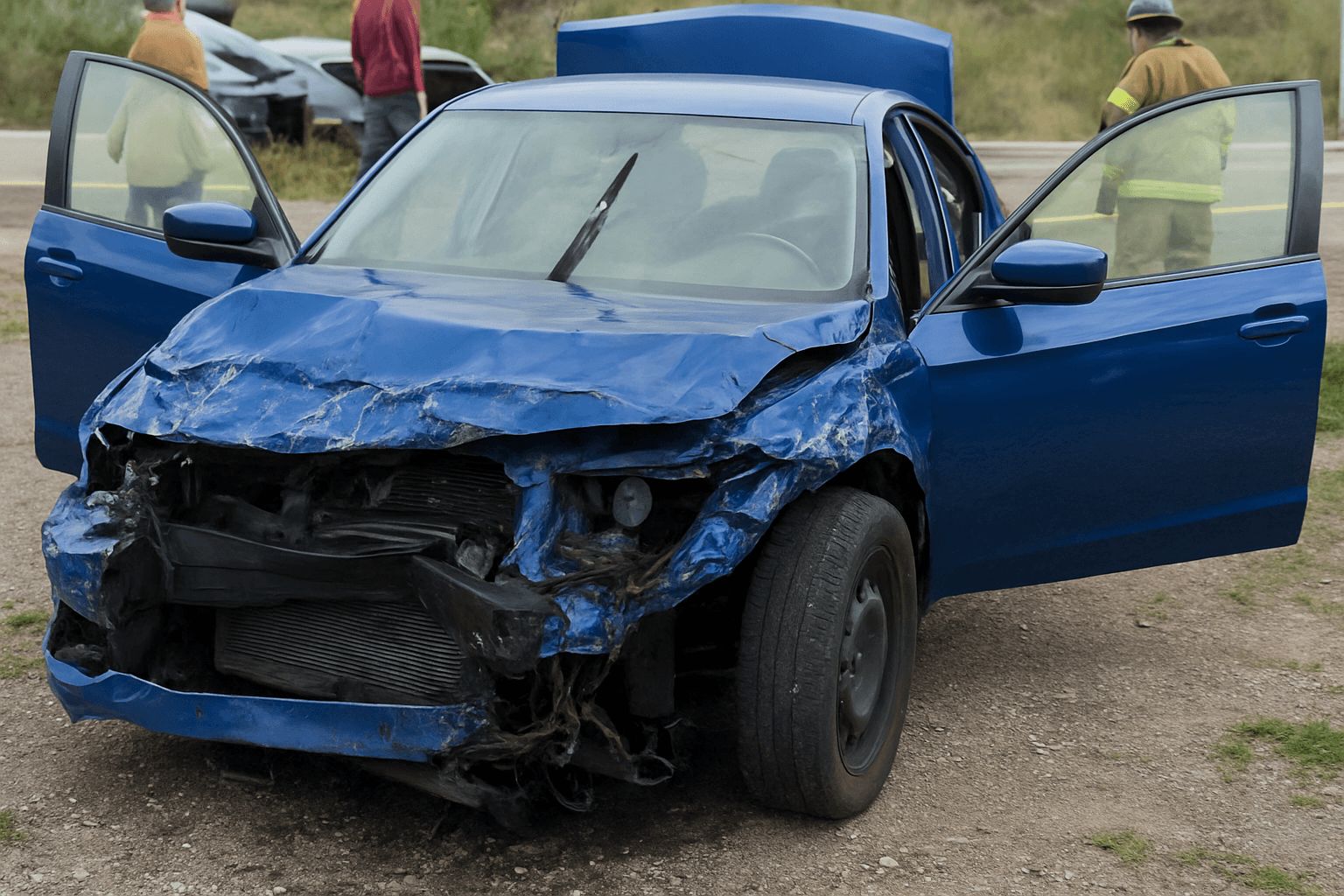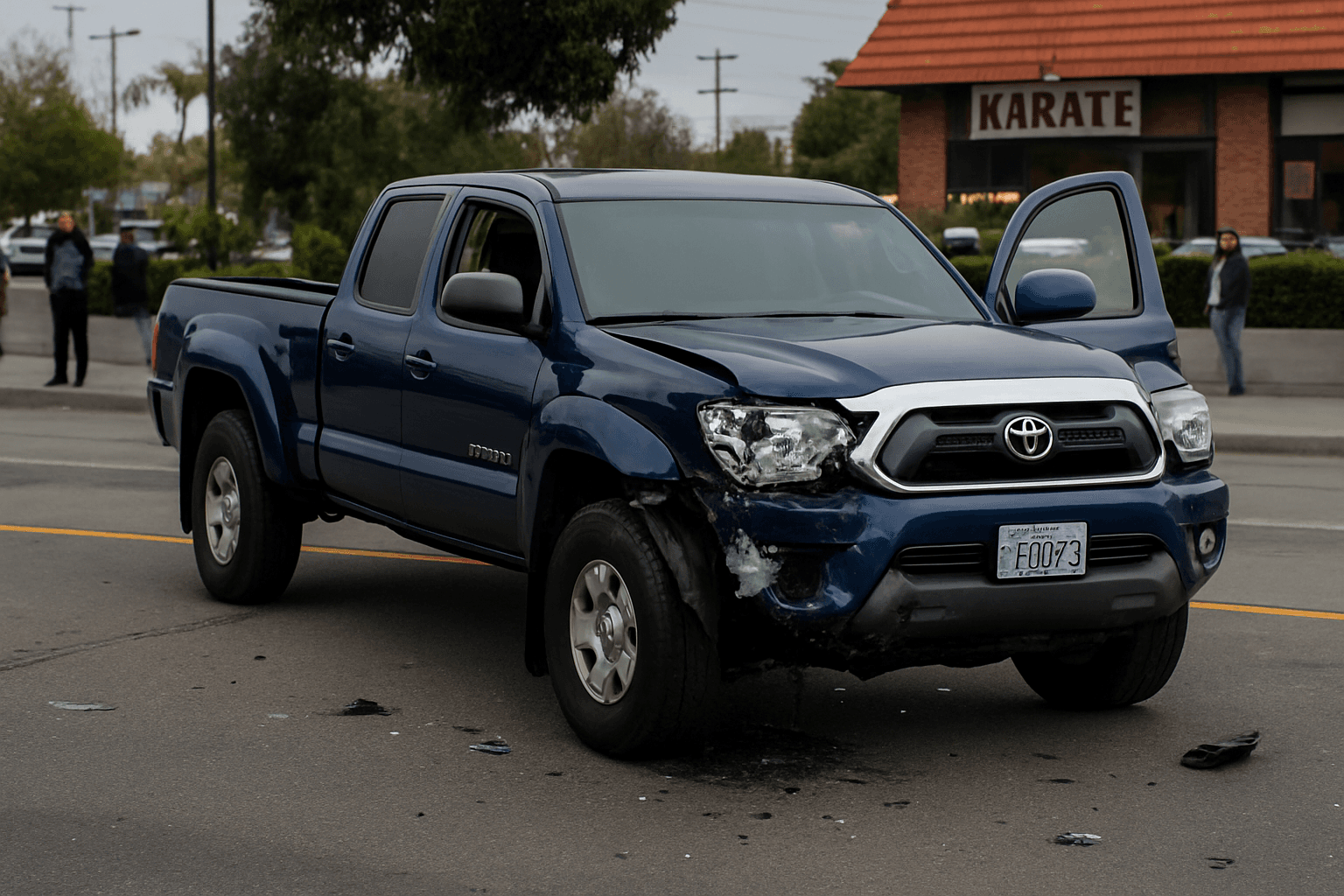
Oklahoma SR-22 filing accepts liability-only policies, which means you can drop collision and comprehensive immediately if you own your vehicle outright. The question is whether you should.
Oklahoma SR-22 Filing Accepts Liability-Only Policies After a DUI
Oklahoma requires SR-22 filing for 3 years following a DUI conviction, measured from your reinstatement date. The state mandates 25/50/25 minimum liability limits, and that policy can be liability-only. If you own your vehicle outright with no lienholder, you can legally drop collision and comprehensive coverage the day you file SR-22.
Most drivers dropping to liability-only after a DUI save $80–$140/month compared to full coverage rates in the non-standard market. A liability-only SR-22 policy in Oklahoma typically runs $110–$180/month for first-offense DUI drivers, while full coverage with the same filing runs $190–$320/month. The difference compounds over a 36-month filing period.
The coverage reduction is immediate and legal. Oklahoma does not require comprehensive or collision coverage by statute. Your SR-22 certificate reflects whatever policy you purchase, and as long as that policy meets or exceeds 25/50/25 liability minimums, the Oklahoma Department of Public Safety accepts the filing.
When Dropping Full Coverage Creates Measurable Risk in Oklahoma
Oklahoma has the sixth-highest uninsured motorist rate in the U.S. at 13.4%, which means roughly 1 in 8 drivers on the road carries no liability coverage. If an uninsured driver hits you and your vehicle is totaled, liability-only coverage pays nothing for your vehicle replacement. You absorb the full loss.
Uninsured motorist property damage (UMPD) coverage is optional in Oklahoma and costs $8–$15/month to add to a liability-only policy. Collision coverage is not required, but it's the only coverage that pays for your vehicle damage regardless of fault. Dropping it saves money monthly but transfers 100% of at-fault accident vehicle replacement cost to you.
If your vehicle's fair market value is under $4,000 and you have cash reserves to replace it, dropping full coverage is defensible. If your vehicle is worth $8,000+ and losing it would prevent you from working or meeting your SR-22 compliance obligations, the monthly savings creates a larger risk than the premium difference.
Find out exactly how long SR-22 is required in your state
How Lienholders and Loan Agreements Override SR-22 Minimum Requirements
If you finance or lease your vehicle, your loan agreement requires full coverage regardless of Oklahoma's SR-22 minimum. The lienholder mandates collision and comprehensive to protect their collateral. Dropping full coverage while a loan is active violates your finance contract and triggers force-placed insurance, which costs 2–3 times your current premium and provides no liability coverage for you.
You cannot satisfy both your lienholder's coverage requirement and a liability-only SR-22 strategy simultaneously. If you're still making payments, full coverage is not optional. The only way to drop collision and comprehensive legally is to pay off the vehicle loan in full or surrender the vehicle.
Some DUI-SR-22 drivers trade financed vehicles for older paid-off vehicles specifically to drop coverage costs. A $3,500 used vehicle with liability-only SR-22 coverage costs less monthly than a $15,000 financed vehicle with full coverage in the non-standard market, even after accounting for the trade-in loss.
SR-22 Lapse Consequences Reset Your Filing Period to Zero in Oklahoma
Oklahoma requires continuous SR-22 coverage for 36 months from your reinstatement date. If your policy lapses for any reason — non-payment, cancellation, or intentional coverage reduction below state minimums — your insurer notifies the DPS within 10 days. Your license is re-suspended immediately, and your 3-year filing clock resets to zero once you refile and reinstate.
Dropping to liability-only does not trigger a lapse as long as your new policy meets 25/50/25 minimums and your carrier files the SR-22 certificate without interruption. The risk appears when drivers switch carriers or cancel coverage to save money, then experience a gap between policies. A single-day lapse restarts the entire 36-month requirement.
Most non-standard carriers in Oklahoma — The General, Direct Auto, Acceptance, GAINSCO — allow mid-term coverage changes from full coverage to liability-only without triggering lapse, as long as you request the change in writing and maintain continuous effective dates. Confirm the new SR-22 certificate is filed before your old policy cancels. If you handle the timing wrong, you re-suspend your license and add 6–12 months to your total compliance timeline.
Which Non-Standard Carriers in Oklahoma Write Liability-Only SR-22 Policies
Most mainstream carriers — State Farm, Geico, Allstate, Progressive — will file SR-22 for existing customers but typically non-renew at the end of your current policy term after a DUI. New DUI-SR-22 policies require the non-standard market, and not all non-standard carriers offer liability-only SR-22 in Oklahoma.
Direct Auto, The General, Acceptance Insurance, GAINSCO, and Dairyland all write liability-only SR-22 policies in Oklahoma and quote post-DUI drivers regularly. Bristol West and Safe Auto also operate in the state but availability varies by county. Liability-only rates with SR-22 filing typically range $110–$180/month for first-offense DUI drivers with clean records prior to conviction.
Carrier acceptance tightens if your DUI conviction was aggravated (BAC over .15, minor in vehicle, injury, or property damage) or if you have a second DUI. Repeat-offense DUI drivers pay $150–$240/month for liability-only SR-22 in Oklahoma, and fewer carriers write the risk. Some drivers in this category cannot access liability-only policies at any price and must carry full coverage to secure any SR-22 filing at all.
What Happens If You Total Your Vehicle While Carrying Only Liability SR-22
If you total your vehicle in an at-fault accident while carrying liability-only coverage, your policy pays nothing for your vehicle. You still owe for the other driver's vehicle and injuries up to your liability limits, but your own vehicle loss is uninsured. If the vehicle was worth $6,000, you lose $6,000 in asset value immediately.
Oklahoma does not suspend your SR-22 requirement because you no longer own a vehicle. You must maintain continuous SR-22 coverage for the full 36-month period regardless of vehicle ownership. If you cannot afford to replace the totaled vehicle, you'll need to switch to a non-owner SR-22 policy, which costs $25–$50/month and provides liability coverage while driving borrowed or rental vehicles.
Non-owner SR-22 policies do not cover a vehicle you own, register, or have regular access to. If you live with a family member who owns a vehicle and you drive it regularly, you cannot use non-owner coverage. You must either purchase another vehicle and insure it with an owner SR-22 policy, or stop driving entirely until your filing period ends. Most DUI drivers cannot afford to stop driving for 3 years, which makes vehicle replacement after a total loss a forced expense.
How to Transition from Full Coverage to Liability-Only Without Triggering SR-22 Lapse
Call your current carrier and request a coverage reduction to liability-only in writing. Confirm they will file a new SR-22 certificate reflecting the reduced coverage and that the effective date of the new certificate matches the cancellation date of your full coverage policy. Do not cancel full coverage before the new SR-22 is filed.
If you're switching carriers to reduce cost, purchase the new liability-only policy with an effective date one day after your current policy ends. Provide the new carrier with your SR-22 filing requirement and confirm they submit the certificate to Oklahoma DPS before your old policy cancels. Request written confirmation of filing from the new carrier, including the certificate number and filing date.
Monitor your driving record online through Oklahoma DPS 10–15 days after the transition. Confirm no lapse notification appears and that your SR-22 status shows active. If a lapse is recorded in error, you have 10 days to provide proof of continuous coverage to DPS before re-suspension processes. Carriers occasionally delay filing or submit certificates with incorrect effective dates, and the burden of proof falls on you.