You can drop collision and comprehensive in New York while maintaining SR-22 compliance, but only if you own your vehicle outright and carry state-required liability minimums. Most DUI carriers won't volunteer this option.
New York Allows Liability-Only SR-22 If Your Vehicle Is Paid Off
New York does not require you to carry full coverage to maintain SR-22 compliance. The SR-22 certificate itself is proof of financial responsibility tied to minimum liability coverage, not comprehensive or collision. If your vehicle is paid off and you have no lienholder requiring physical damage coverage, you can legally drop to liability-only and keep your SR-22 active.
The state requires 25/50/10 minimum liability: $25,000 bodily injury per person, $50,000 per accident, and $10,000 property damage. Your SR-22 filing must certify continuous coverage at or above these limits. Collision and comprehensive are not part of that calculation. If you financed or leased your vehicle, your lender will require full coverage regardless of SR-22 status, and dropping it violates your loan agreement.
Most non-standard carriers writing DUI policies in New York build full coverage into their default quotes because it generates higher premiums. They are not required to tell you that liability-only SR-22 is an option. You must ask explicitly and confirm your vehicle is owned outright before they will remove physical damage coverages.
What Dropping Full Coverage Actually Saves After a DUI
Liability-only SR-22 coverage in New York after a DUI typically costs $180–$280 per month, compared to $340–$520 per month for full coverage SR-22. The savings come entirely from removing collision and comprehensive, which are the most expensive components of a post-DUI policy. Carriers price physical damage coverage higher after a DUI because conviction data correlates with higher claim frequency in actuarial models.
The savings percentage varies by vehicle value. If you drive a 2015 sedan worth $8,000, dropping full coverage might cut your premium by 40%. If you drive a newer vehicle worth $25,000, the reduction can reach 50% or more because comprehensive and collision premiums scale with replacement cost. Liability premiums remain high regardless — your DUI directly impacts bodily injury and property damage rates, which do not decrease when you remove physical damage coverages.
Estimates based on available industry data; individual rates vary by conviction class, driving history, age, and location within New York. First-offense standard DUI typically produces lower liability multipliers than aggravated DUI with high BAC or repeat-offense convictions.
Find out exactly how long SR-22 is required in your state
The Risk You Accept When You Drop Collision and Comprehensive
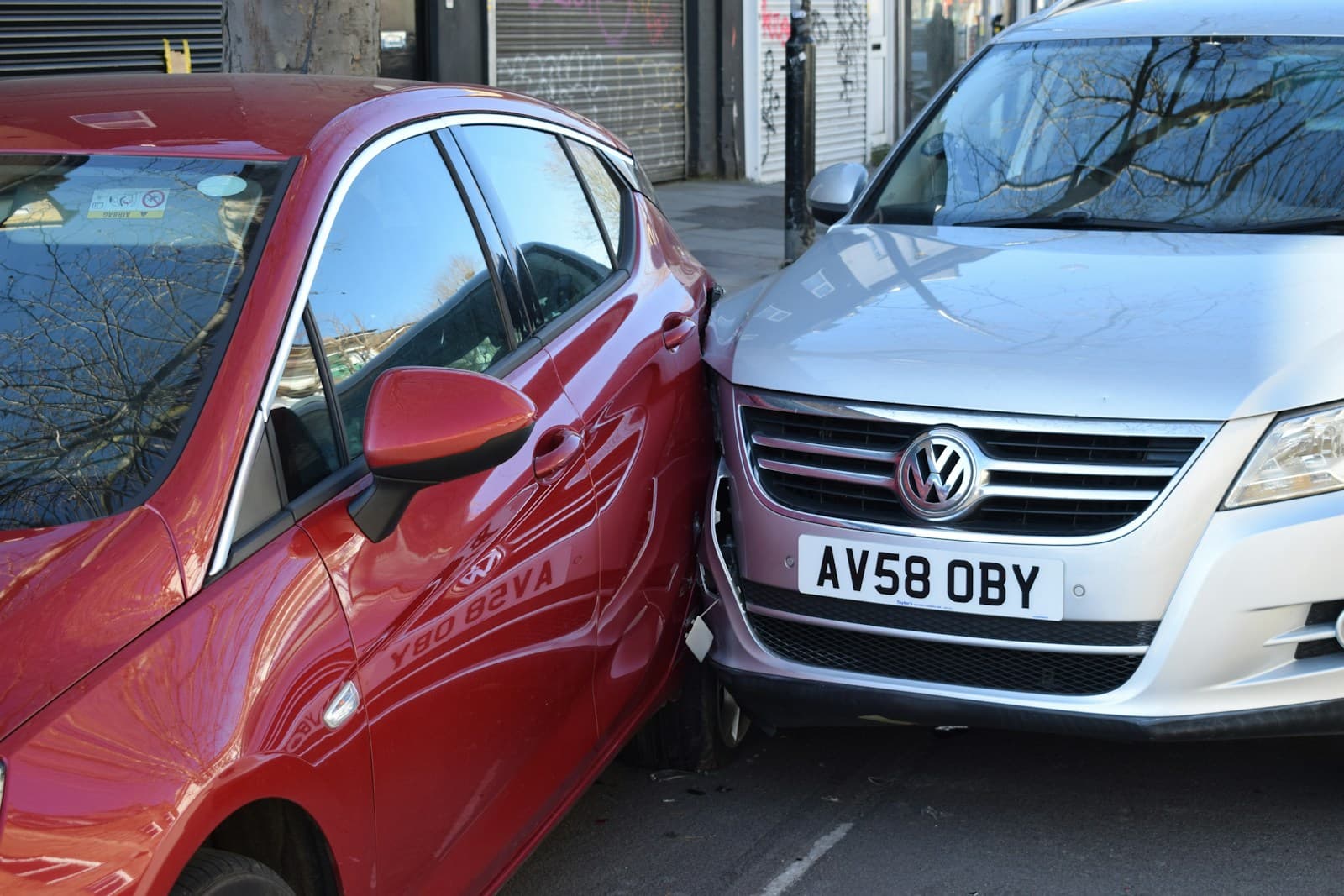
Dropping to liability-only means you pay out-of-pocket for all damage to your own vehicle. If you hit a guardrail, back into a pole, or total your car in an at-fault accident, your insurer pays nothing toward your vehicle repair or replacement. Collision coverage pays for at-fault accidents and single-vehicle crashes. Comprehensive pays for theft, vandalism, weather damage, and animal strikes. Both disappear when you drop to liability-only.
New York does not require you to carry uninsured motorist property damage, so if an uninsured driver hits you and flees, you have no coverage for your vehicle unless you kept collision. Liability-only works if you can afford to replace your vehicle with cash or if the vehicle's value is low enough that total loss would not create a financial emergency. If losing your car means losing your ability to commute to work or meet probation requirements, liability-only carries significant risk.
Most DUI drivers choose liability-only when their vehicle is worth less than $5,000 and they have $2,000–$3,000 in accessible savings to cover a total loss. If your vehicle is worth more or you have no emergency fund, full coverage is not optional — it is financial protection against a second crisis while you are still managing the first.
How to Make the Switch Without Lapsing Your SR-22
Contact your current carrier and request a policy amendment to remove collision and comprehensive. Do not cancel your policy and shop for a new one unless you have a replacement policy bound and effective on the same day. Any gap in SR-22 coverage — even one day — triggers an SR-22 lapse notification to the New York DMV, which restarts your three-year filing period from zero and may suspend your license again.
Your carrier will issue an updated SR-22 certificate reflecting the new liability-only coverage and file it electronically with the DMV. The SR-22 itself does not change — it still certifies continuous financial responsibility. Only the underlying policy coverages change. Confirm with your carrier that the updated SR-22 has been filed before your old coverages terminate. Most carriers process amendments within 24–48 hours, but filing delays can create accidental lapses.
If you are shopping for a cheaper liability-only policy with a different carrier, bind the new policy first, confirm the new SR-22 is filed with the DMV, then cancel the old policy. Never cancel first and shop later. The timing gap will lapse your SR-22 and restart your filing clock, which eliminates any premium savings you thought you were gaining.
Which New York Carriers Write Liability-Only SR-22 for DUI Drivers
Non-standard carriers writing liability-only SR-22 policies in New York after DUI include Direct Auto, Bristol West, Dairyland, and The General. Availability varies by county and underwriting tier. Some carriers write liability-only SR-22 statewide; others restrict it to drivers with first-offense standard DUI and no additional moving violations in the past three years.
Progressive and Geico may file SR-22 for existing customers who receive a DUI, but both typically non-renew at the end of the policy term. If you are shopping after non-renewal, you will be routed to the non-standard market. State Farm and Allstate rarely write new business for DUI drivers in New York and almost never offer liability-only SR-22 policies to this risk class.
Direct comparison shopping is the only way to confirm which carrier will write you at what rate. SR-22 DUI pricing varies by ZIP code, conviction class, time since conviction, age, and prior insurance history. A carrier that quotes $220/month in Buffalo may decline coverage entirely in the Bronx or quote $380/month for the same driver profile.
When Full Coverage Is Non-Negotiable Even If You Own Your Car
If you are subject to an ignition interlock device order in New York, some carriers require full coverage as a condition of writing the policy, even if the vehicle is paid off. IID installation creates additional underwriting risk in carrier models, and some non-standard insurers offset that risk by mandating comprehensive and collision. Confirm IID policy rules with your carrier before dropping coverages.
If your DUI involved property damage, injury, or a high BAC reading that produced an aggravated conviction, you may be classified in a higher-risk underwriting tier that restricts you to full coverage policies only. Carriers segment DUI drivers by conviction severity, and repeat-offense or aggravated DUI typically disqualifies you from liability-only options for the first 12–24 months after reinstatement.
If you share your household with another driver who has recent violations or a suspended license, some carriers require full coverage on all household vehicles regardless of ownership status. This is an underwriting rule, not a legal requirement, and it varies by carrier. If one insurer mandates full coverage for household reasons, shop with a different non-standard carrier that evaluates your policy in isolation.