South Carolina extends SR-22 filing from 3 to 5 years when your BAC was 0.16% or higher at arrest. That extra time starts from conviction, not reinstatement—and most drivers don't find out until they call their insurer.
What Makes a DUI 'Aggravated' in South Carolina
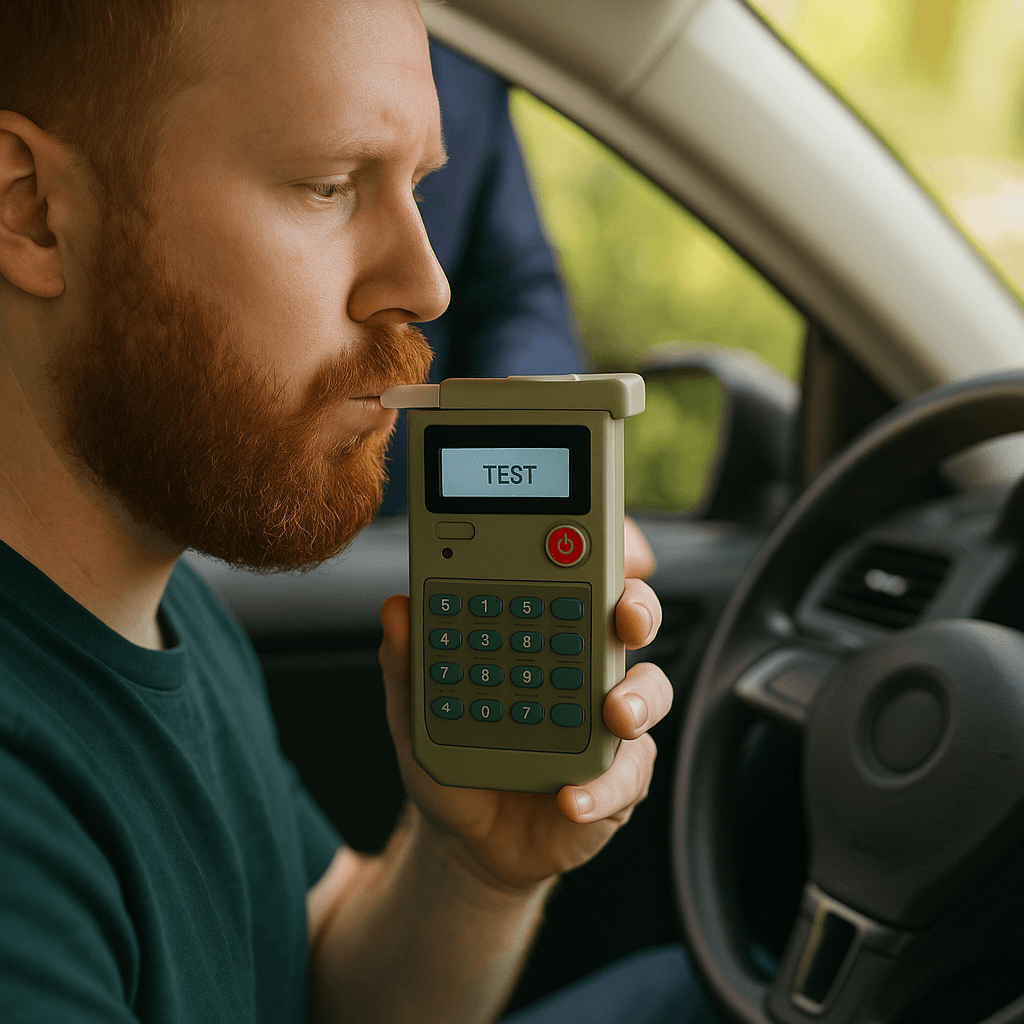
South Carolina law separates DUI convictions into standard and aggravated classes based on your blood alcohol concentration at the time of arrest. A BAC of 0.16% or higher—double the legal limit of 0.08%—qualifies as aggravated DUI under SC Code §56-5-2930 and triggers enhanced penalties including a longer SR-22 filing requirement.
The aggravated classification applies whether you took a breath test, blood test, or refused testing but later tested above 0.16% at booking. The BAC reading used is the one closest to the time of driving, not the lowest reading if multiple tests were administered.
Other aggravating factors—having a minor under 16 in the vehicle, causing injury or property damage, or driving on a suspended license—can elevate criminal penalties and fines but do not independently extend the SR-22 filing period beyond 5 years. Only the 0.16% BAC threshold changes the filing duration from 3 to 5 years.
How Long You'll Carry SR-22 After Aggravated DUI
Standard first-offense DUI in South Carolina requires 3 years of SR-22 filing. Aggravated DUI with BAC of 0.16% or higher requires 5 years of continuous SR-22 filing. Repeat-offense DUI requires 5 years regardless of BAC level.
The filing period starts on your conviction date—the day you plead guilty or are found guilty in court—not the date you reinstate your license or the date your carrier files the SR-22. If your license was suspended for 6 months and you didn't file SR-22 until reinstatement, you still owe the full 5 years from conviction. South Carolina does not credit time served under suspension toward the filing requirement.
A single-day lapse in SR-22 coverage resets the entire 5-year clock to zero. The SC DMV receives electronic notification from your carrier within 24 hours of policy cancellation or non-renewal, and your license is automatically suspended again. Most drivers who lapse discover the reset only when they call to reinstate and are quoted another 5-year term.
Find out exactly how long SR-22 is required in your state
Why Aggravated DUI SR-22 Costs More Than Standard
Carriers price SR-22 policies based on conviction class, BAC level, and filing duration. Aggravated DUI with high BAC signals higher actuarial risk than standard DUI, and the 5-year filing period means carriers assume risk exposure for 2 additional years compared to standard 3-year filers. Average monthly premiums for aggravated DUI SR-22 in South Carolina range from $145 to $240 per month for state minimum liability, compared to $110 to $175 per month for standard first-offense DUI.
Mainstream carriers including State Farm, Geico, Allstate, and Progressive will file SR-22 for current policyholders but typically non-renew at the end of the current 6-month term. New aggravated DUI policies generally require the non-standard market: Bristol West, Dairyland, The General, GAINSCO, and Direct Auto all write South Carolina SR-22 post-DUI, though availability varies by county and underwriting appetite shifts quarterly.
Rate increases compound over the 5-year period. Year one typically sees a 90–140% increase over your pre-DUI premium. Year three rates may drop 15–25% if no new violations occur, but you will not return to standard-market pricing until the SR-22 requirement ends and you shop clean-record quotes.
What the Court Order and DMV Notice Don't Tell You
Your sentencing order will list license suspension duration, reinstatement fees, ADSAP completion requirements, and possible ignition interlock device installation—but it will not specify the 5-year SR-22 filing period or clarify when that period starts. The SC DMV reinstatement notice lists SR-22 as a requirement but does not distinguish between 3-year and 5-year terms and does not explain that the clock started at conviction.
Most drivers assume SR-22 filing runs concurrent with their suspension or restricted license period. It does not. If you received a 6-month suspension and completed ADSAP during that time, you still owe 4.5 years of SR-22 filing after reinstatement. The 5-year term is independent of all other DUI penalties.
Carriers are not required to notify you when your SR-22 filing period ends. You are responsible for tracking the end date from your conviction date and confirming with the SC DMV that the filing obligation has been satisfied. Drivers who cancel SR-22 policies early—believing the requirement expired after 3 years or after probation ended—face immediate suspension and a reset filing clock.
When High BAC Combines With Other Compliance Requirements
Aggravated DUI often triggers ignition interlock device requirements in addition to SR-22. South Carolina requires IID for a minimum of 6 months for first-offense aggravated DUI and 2 years for repeat-offense DUI. The IID period and SR-22 period overlap but are not identical—IID typically ends years before SR-22 filing ends.
Your SR-22 policy must list the IID-equipped vehicle. If you switch vehicles during the IID period, you must notify your carrier immediately and have the new vehicle added to the SR-22 policy before driving it. Driving an unlisted vehicle violates both IID and SR-22 terms and can reset both compliance clocks.
If you do not own a vehicle, South Carolina allows non-owner SR-22 policies to satisfy the filing requirement. Non-owner SR-22 provides liability coverage when you drive a borrowed or rented vehicle but does not satisfy IID requirements—you cannot install an IID on a vehicle you don't own. Drivers with IID orders must own or lease a vehicle and carry owner SR-22 policies until the IID period ends.
How to Verify Your Exact SR-22 End Date
Call the South Carolina DMV Driver Records section at 803-896-5000 and request confirmation of your SR-22 start date and required filing duration. The representative will pull your record using your driver's license number and provide the conviction date, filing start date, and calculated end date. Do not rely on your carrier, your attorney, or your probation officer for this information—only the DMV maintains the authoritative SR-22 compliance record.
Request a copy of your driving record 90 days before your expected SR-22 end date. The record will show whether the SR-22 requirement is still active or has been satisfied. If the requirement shows as satisfied, contact your carrier to request SR-22 removal and requote your policy as a standard liability policy. Most carriers will not remove SR-22 or adjust pricing unless you request it explicitly.
If your record shows the SR-22 requirement still active despite reaching 5 years from conviction, file a compliance review request with the SC DMV within 30 days. Errors in start date calculation or failure to credit prior SR-22 filing are common and can extend your requirement incorrectly by 6–12 months. The DMV will review your conviction record, SR-22 filing history, and lapse record and issue a corrected end date within 15 business days.