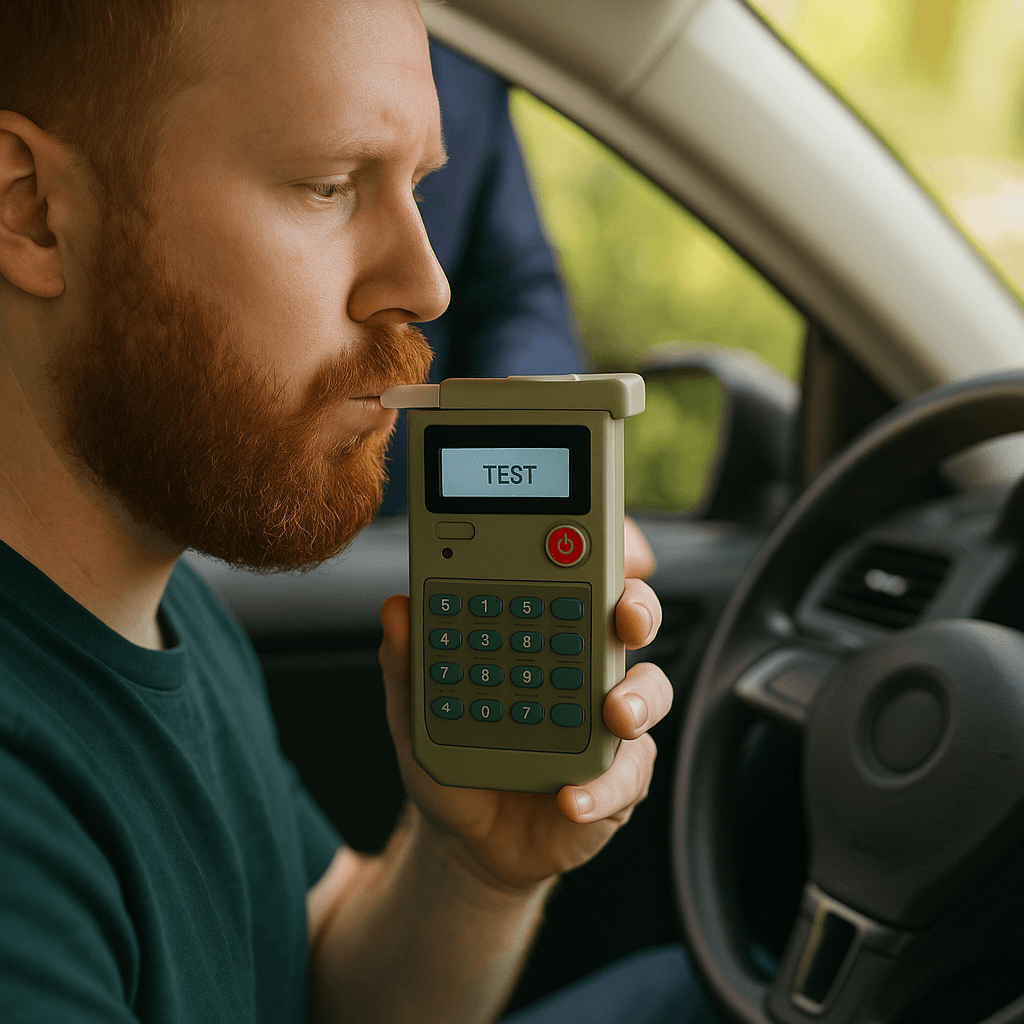
Oklahoma extends SR-22 filing from 3 to 5 years for aggravated DUI convictions involving high BAC, injury, or a minor passenger. Most carriers don't flag this at filing — and you won't know until the DMV rejects your reinstatement.
What Triggers the 5-Year SR-22 Requirement in Oklahoma
Oklahoma law extends SR-22 filing from the standard 3 years to 5 years when your DUI conviction meets aggravated criteria under 47 O.S. § 6-205.1. A BAC of 0.15% or higher at arrest qualifies as aggravated. So does injury to another person, property damage exceeding $1,000, a minor passenger under 18 in the vehicle, or refusal of chemical testing. Your court sentencing documents should state whether your conviction is standard or aggravated — if they don't explicitly label it, check your BAC reading and the facts listed in the judgment.
The 5-year clock starts on the date your Oklahoma driver license is reinstated, not the conviction date or the date you first file SR-22. If you serve a 6-month suspension before reinstatement, your 5-year SR-22 period begins after that suspension ends and you pay all reinstatement fees. This is where most drivers miscalculate — filing SR-22 during your suspension does not advance the timeline.
Carriers frequently file SR-22 for the wrong duration because Oklahoma's online forms don't force aggravated vs. standard classification at submission. Your carrier submits what you tell them, and the DMV accepts it initially. The error surfaces months later when you apply for full reinstatement and the DMV verifies your conviction class against court records. At that point, you're told to refile for the correct period, and the 5-year clock resets to the date of the corrected filing.
How Aggravated DUI Changes Your Insurance Market Access
Standard first-offense DUI conviction in Oklahoma typically moves you from preferred carriers into the non-standard market for 3 to 5 years. Aggravated DUI conviction closes most non-standard carriers entirely for 12 to 24 months after conviction. Bristol West, Dairyland, and The General — the most common Oklahoma SR-22 filers for standard DUI — either decline or surcharge aggravated DUI applications at rates 40% to 80% higher than standard DUI.
Acceptance Insurance and GAINSCO write aggravated DUI in Oklahoma but require 12 months post-conviction for first offense and 24 months for repeat offense. Safe Auto accepts aggravated DUI immediately but prices it as high-tier non-standard with liability-only monthly premiums typically $180 to $260 for minimum state limits. Full coverage is rarely offered in the first two years after aggravated conviction.
Expect your total cost over the 5-year SR-22 period to run $12,000 to $18,000 in premiums alone, not counting reinstatement fees ($200 to $300), court costs, IID rental if required, and DUI education. Aggravated DUI conviction also triggers ignition interlock device requirement for a minimum of 18 months in Oklahoma, which adds $70 to $120 per month in device lease and calibration costs.
Find out exactly how long SR-22 is required in your state
Why the Filing Period Start Date Matters More Than You Think
Oklahoma measures your 5-year SR-22 period from reinstatement date, not conviction date or suspension start date. If your aggravated DUI conviction occurred in January 2023, you served a 12-month license suspension, and you reinstated in February 2024, your SR-22 filing obligation runs until February 2029. You cannot credit time served under suspension toward your filing period.
Many drivers assume filing SR-22 during suspension starts the clock early. It doesn't. Oklahoma DPS does not count any day you hold SR-22 while your license is suspended, revoked, or cancelled. The 5-year countdown begins only on the first day you hold a valid reinstated driver license with active SR-22 on file.
This creates a common trap: you file SR-22 through your carrier 6 months before reinstatement to satisfy court proof-of-insurance requirements, then assume your filing period ends 5 years from that date. When you request SR-22 cancellation in year 5, the DMV notifies you that your obligation runs another 6 months because reinstatement happened later. Confirm your reinstatement date in writing from Oklahoma DPS before calculating your SR-22 end date.
What Happens If You Cancel SR-22 Early or Let It Lapse
Oklahoma DPS receives electronic notification within 24 hours when your carrier cancels your SR-22 filing or your policy lapses without replacement. If this happens before your 5-year period ends, DPS suspends your license immediately — no grace period, no warning letter. Your license is suspended the day the lapse notification is processed.
Reinstatement after SR-22 lapse requires paying a $200 suspension reinstatement fee, refiling SR-22 with a new carrier, and in most cases restarting your 5-year filing period from zero. Oklahoma does not credit time served before the lapse. If you held SR-22 for 4 years and 8 months, then let it lapse for 10 days, you owe a new 5-year filing period from the date you refile and reinstate.
Carrier non-renewal is the most common cause of unintentional lapse. Non-standard carriers typically write 6-month policies for aggravated DUI drivers and decide whether to renew 30 days before expiration. If they decline renewal and you don't secure replacement coverage before your policy end date, you lapse automatically. Set a calendar reminder 60 days before every policy expiration to shop replacement coverage — non-standard underwriting for aggravated DUI takes 7 to 14 days.
How to Verify Your Filing Period and Conviction Class
Request a copy of your certified driving record from Oklahoma DPS online or at any tag agency. Your record shows conviction class (standard or aggravated), conviction date, suspension period, reinstatement date, and SR-22 filing status. The "Financial Responsibility End Date" field lists the date your SR-22 obligation expires — verify this matches your calculation.
If your DPS record shows 3-year SR-22 duration but your court documents list aggravated conviction factors, contact DPS Driver Compliance at (405) 425-2151 before your filing period ends. DPS can correct the duration on file, but the correction resets your filing period to 5 years from the date of correction. Better to identify the error early than discover it when you apply for reinstatement in year 3.
Your court sentencing order is the controlling document for conviction class. If your BAC was 0.15% or higher, injury occurred, or a minor was in the vehicle, your conviction is aggravated regardless of how it's labeled in court records. DPS matches conviction facts against statutory criteria — the label your attorney negotiated doesn't override the statutory definition.