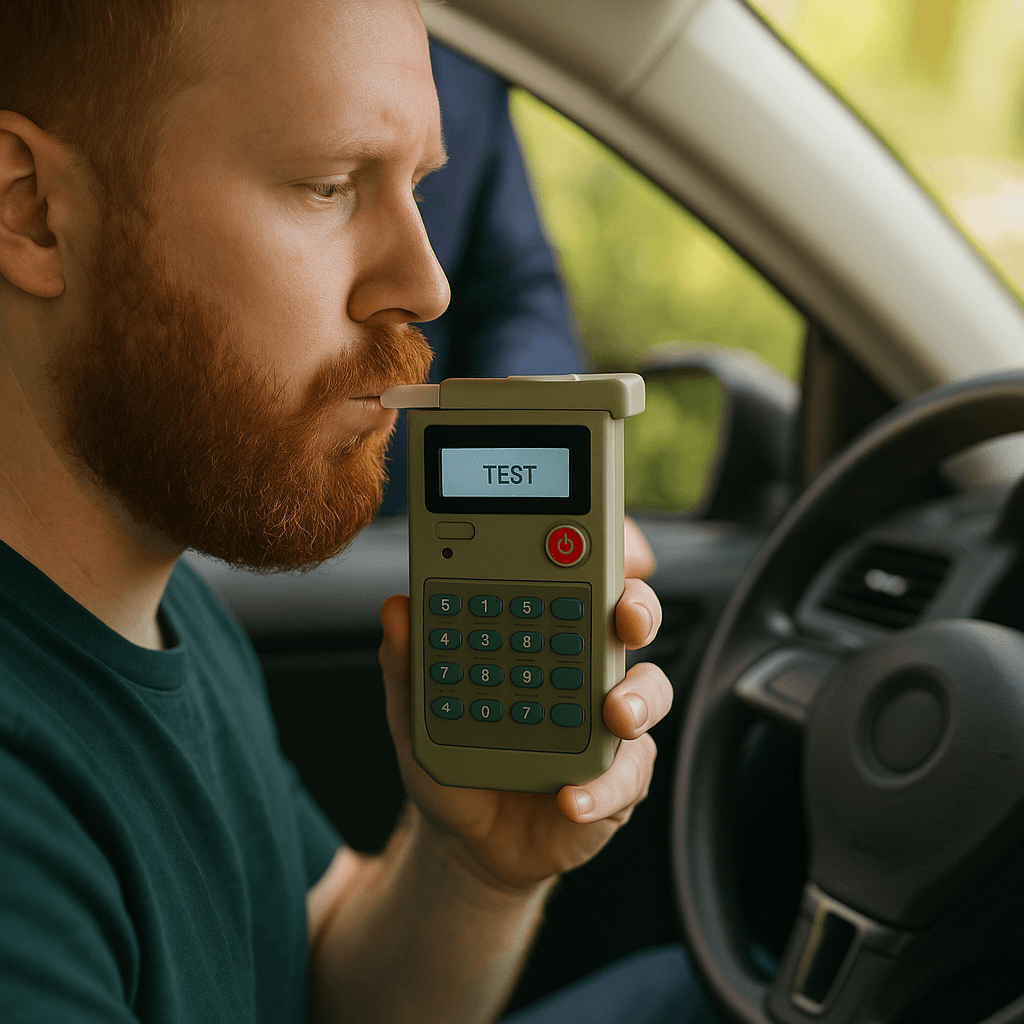
Got an aggravated DUI charge in Maine with BAC over 0.15%? Your SR-22 filing period is 6 years, not 3 — and it starts the day your license is reinstated, not the day you were convicted.
What Makes a DUI 'Aggravated' in Maine and Why It Changes Your SR-22 Timeline
Maine law classifies a DUI as aggravated if your blood alcohol content measured 0.15% or higher at the time of arrest — exactly twice the legal limit of 0.08%. This single data point extends your SR-22 filing requirement from 3 years to 6 years and typically adds $500–$900 to your annual insurance premium compared to a standard first-offense DUI.
The aggravated designation also applies if you were driving 30+ mph over the speed limit while impaired, caused serious bodily injury, or had a passenger under age 21 in the vehicle. Each of these circumstances triggers the same 6-year filing clock under Maine Revised Statutes Title 29-A §2411.
Most drivers learn about the extended filing period only after reinstatement, when the Maine Bureau of Motor Vehicles issues the SR-22 requirement letter. By then, many have already started shopping for insurance under the assumption they face the standard 3-year timeline. The filing period starts the day your license is reinstated, not your conviction date — a distinction that adds months to your actual compliance window if you delayed reinstatement.
How Maine Calculates Your SR-22 Start Date After Aggravated DUI
Maine measures your 6-year SR-22 filing period from the date your license is officially reinstated by the Bureau of Motor Vehicles, not from your court conviction date or the first day of your suspension. If you were convicted in January 2024 but didn't complete your suspension and reinstate until July 2024, your 6-year clock starts in July 2024 and runs until July 2030.
This creates a common miscalculation: drivers assume the clock started at conviction and count forward from there, only to discover at year five that they still have another full year remaining. The BMV reinstatement letter explicitly states your SR-22 end date, but most drivers don't save that document or don't read the fine print.
You cannot file SR-22 before reinstatement to get a head start on the timeline. Maine requires active, valid licensure before accepting an SR-22 certificate. If your carrier files early, the BMV date-stamps it as received but does not credit you for time served until reinstatement is complete.
Find out exactly how long SR-22 is required in your state
What Aggravated DUI Does to Your Insurance Options in Maine
Most major carriers — State Farm, Geico, Allstate, Progressive — will file SR-22 for existing Maine policyholders after an aggravated DUI conviction, but they typically non-renew the policy at the end of the current term. You'll receive a non-renewal notice 30–45 days before expiration, at which point you're shopping in the non-standard market with 6 years of SR-22 ahead of you.
Non-standard carriers writing aggravated DUI-SR-22 policies in Maine include Dairyland, The General, Bristol West, and National General. Availability varies by county — some carriers decline Washington County and Aroostook County risks entirely due to rural claims patterns. Monthly premiums for aggravated DUI with SR-22 typically range from $180–$320/mo for state minimum liability, compared to $85–$140/mo for a clean-record driver with the same coverage.
The aggravated designation stays on your Maine driving record for 10 years, even though your SR-22 obligation ends at 6 years. Carriers pull your full motor vehicle record at every renewal, so expect elevated premiums for the full decade. Some non-standard carriers offer step-down pricing at year 3 and year 5 if you maintain a violation-free record during SR-22 compliance.
What Happens If You Let Your SR-22 Lapse During the 6-Year Period
If your SR-22 coverage lapses for any reason — missed payment, policy cancellation, switching carriers without overlap — your insurance company is legally required to notify the Maine BMV within 15 days. The BMV immediately suspends your license and resets your 6-year filing clock to zero the day you reinstate again.
This reset is not prorated. If you maintained SR-22 for 4 years and then let it lapse for 10 days, you do not owe 2 remaining years when you reinstate — you owe the full 6 years again from the new reinstatement date. Maine does not credit time served before a lapse.
To avoid a lapse when switching carriers, have your new carrier file the SR-22 certificate with the BMV before you cancel your old policy. Maine allows a 48-hour processing window, so schedule the switch with at least 3 business days of overlap. Most non-standard carriers will coordinate the filing timing if you explain you're transferring an active SR-22 — they see this scenario daily and know the stakes.
Can You Reduce the 6-Year Filing Requirement in Maine
No. Maine statute does not allow early termination of SR-22 filing for aggravated DUI convictions. Completing alcohol education programs, installing an ignition interlock device voluntarily, or maintaining a violation-free record does not shorten the 6-year period — these steps satisfy separate court-ordered conditions but do not interact with the SR-22 timeline.
Some drivers confuse the ignition interlock device (IID) requirement with the SR-22 filing period. Aggravated DUI in Maine triggers a mandatory 18-month IID installation period, but that runs concurrently with SR-22, not consecutively. You'll satisfy the IID requirement in year 2 of your SR-22 period and continue filing SR-22 for 4 additional years after the device is removed.
The only path to ending SR-22 early is if the original conviction is overturned on appeal or vacated by the court. If that happens, request a certified copy of the dismissal order and submit it to the Maine BMV with a formal request to terminate the SR-22 requirement. Processing typically takes 15–20 business days.
How Moving Out of Maine Affects Your Aggravated DUI SR-22 Obligation
If you move to another state during your 6-year SR-22 period, Maine's filing requirement does not automatically transfer. You must check whether your new state of residence participates in the Driver License Compact and whether it honors out-of-state SR-22 obligations. Most states do, but the filing period and form requirements vary.
When you establish residency in a new state, you're required to surrender your Maine license and obtain a new license in your new state within 30 days. At that point, your new state's DMV will pull your driving record through the National Driver Register and see the Maine aggravated DUI conviction. The new state then determines whether to impose its own SR-22 filing requirement based on that conviction.
Some states recognize the Maine 6-year period and continue it under their own SR-22 rules. Others impose their own standard filing period — if you move to a state with a 3-year SR-22 requirement, you may only owe 3 years from your new reinstatement date. Contact your new state's DMV before moving to confirm how they handle out-of-state aggravated DUI convictions. Do not assume the 6-year clock resets to zero.
What Aggravated DUI SR-22 Costs Over the Full 6 Years in Maine
Budget for $13,000–$23,000 in total insurance premium costs over the 6-year SR-22 filing period, assuming you maintain continuous coverage with no additional violations. This estimate reflects non-standard carrier pricing for state minimum liability (25/50/25) and includes the SR-22 filing fee, which most Maine carriers charge as a one-time $25–$50 setup fee plus $15–$25 per year to maintain the certificate on file.
If you carry higher liability limits or add comprehensive and collision coverage, expect total 6-year costs in the $20,000–$35,000 range. The premium differential between SR-22 and clean-record pricing narrows over time — year 1 typically runs 90–140% higher than standard rates, while year 6 drops to 40–70% higher if you've stayed violation-free.
These figures do not include reinstatement fees ($50 for administrative suspension, $250 for OUI suspension), ignition interlock device installation and monitoring ($900–$1,400 over 18 months), or court fines and alcohol education program fees. Total first-year out-of-pocket costs for aggravated DUI in Maine — including insurance, SR-22, IID, reinstatement, and court obligations — typically range from $6,500–$9,200.