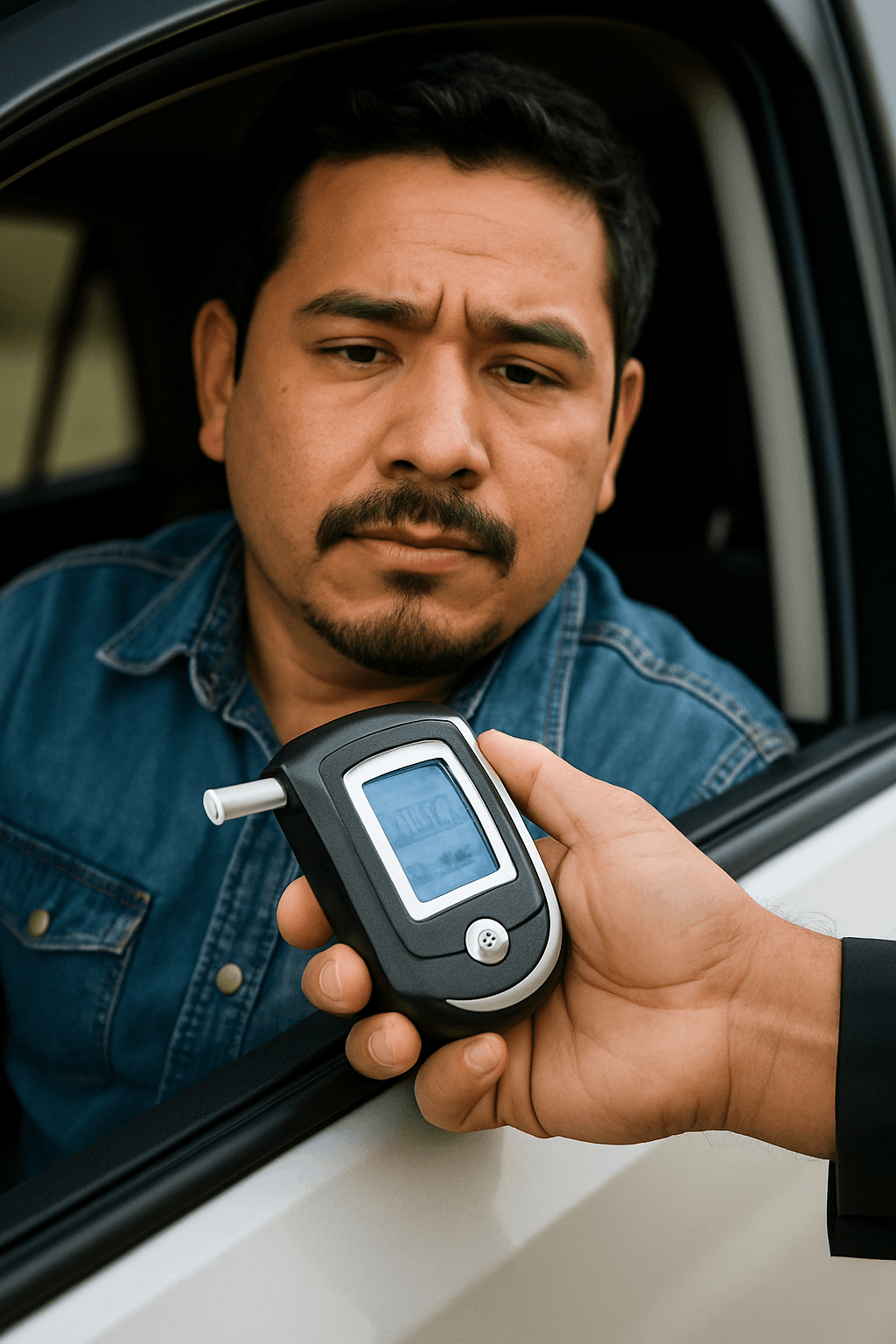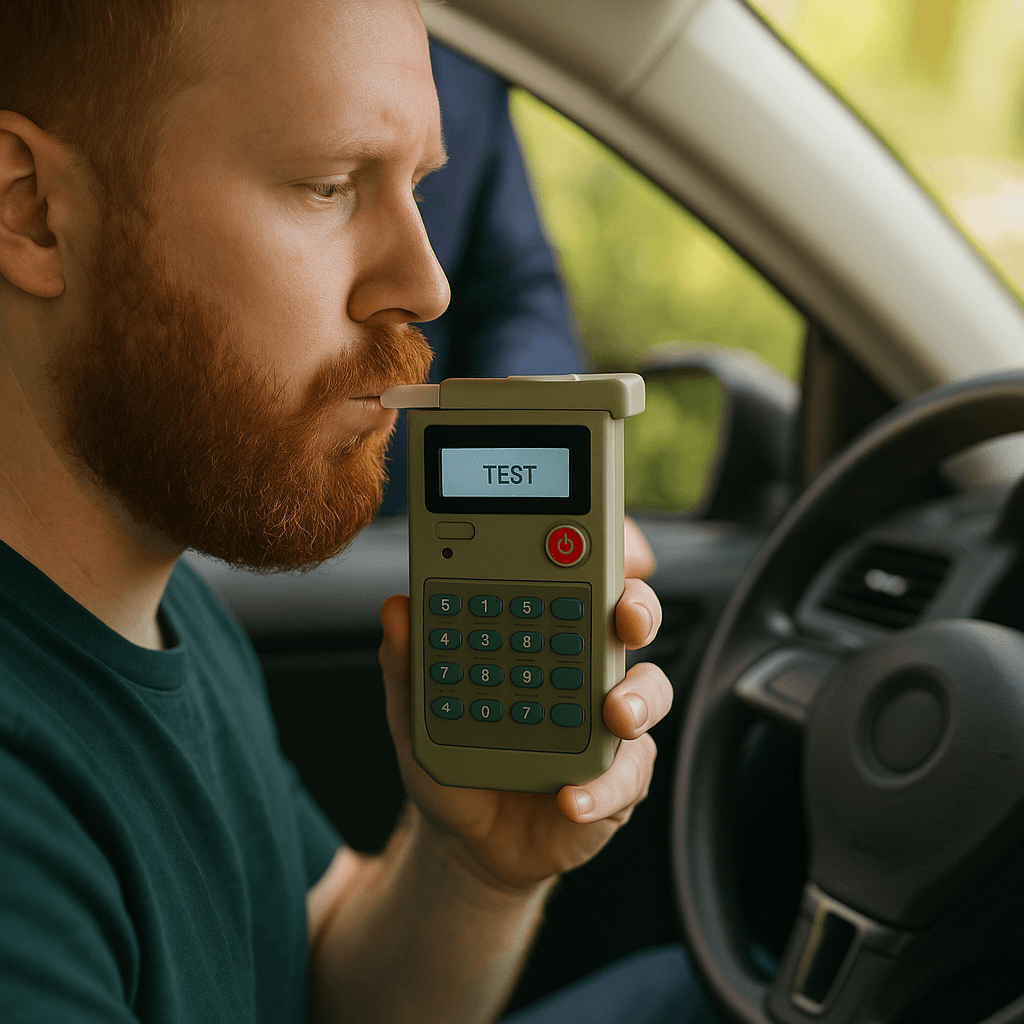
Colorado aggravated DUI with BAC over 0.15% triggers a 4-year SR-22 filing requirement under Persistent Drunk Driver rules—double the standard DUI period most drivers expect.
Colorado Aggravated DUI Extends Your SR-22 Filing Period to 4 Years
A standard first-offense DUI in Colorado requires 2 years of SR-22 filing from your license reinstatement date. Aggravated DUI with BAC over 0.15% changes that calculation entirely—Colorado classifies you as a Persistent Drunk Driver (PDD), and your SR-22 filing requirement jumps to 4 years under C.R.S. § 42-2-132.5.
The PDD designation applies automatically when your BAC exceeds 0.15%, regardless of whether this is your first offense. You don't need multiple convictions to qualify. The DMV imposes the extended filing period at the point of reinstatement, and most drivers discover the 4-year term only when they contact a carrier to file.
This distinction matters for planning. If you're budgeting for 2 years of non-standard insurance and SR-22 filing fees, discovering you're locked into 4 years changes your reinstatement timeline, carrier selection, and total cost projection. The filing period starts the day your license is reinstated—not your conviction date, not your sentencing date.
What Qualifies as Aggravated DUI in Colorado
Colorado defines aggravated DUI as operating a vehicle with BAC of 0.15% or higher. Standard DUI starts at 0.08%. The 0.15% threshold triggers the PDD designation and extends your SR-22 requirement from 2 years to 4 years.
Aggravated DUI also carries enhanced sentencing beyond the SR-22 impact. Courts typically impose mandatory ignition interlock device (IID) installation for the full reinstatement period, Level II alcohol education (instead of Level I), and community service minimums that exceed standard DUI penalties. Your reinstatement checklist stacks: complete sentencing obligations, install IID, complete alcohol education, pay reinstatement fees, and secure SR-22 filing from a licensed carrier.
Other aggravating factors—minor passenger in the vehicle, refusal to submit to chemical testing, accident with injury or property damage—carry separate penalties and may extend revocation periods, but the 4-year SR-22 filing period ties specifically to the BAC threshold and PDD classification.
Find out exactly how long SR-22 is required in your state
How the 4-Year Filing Period Affects Insurance Costs
Non-standard SR-22 insurance after aggravated DUI in Colorado typically costs $180–$320/mo for minimum liability coverage, compared to $85–$140/mo for clean-record drivers. That rate applies for the duration of your filing requirement—4 years for aggravated DUI, meaning total premium outlay of $8,640–$15,360 before you're eligible to return to the standard market.
Carriers price aggravated DUI higher than standard DUI because the conviction signals elevated risk. Expect a 90–150% rate increase over your pre-conviction premium. Most mainstream carriers—State Farm, Geico, Allstate, Progressive—will non-renew your policy at term after aggravated DUI. Your carrier options narrow to the non-standard market: Bristol West, Dairyland, The General, GAINSCO, Direct Auto, and Acceptance write aggravated DUI policies in Colorado, though availability varies by county.
SR-22 filing itself costs $25–$50 as a one-time DMV processing fee, plus your carrier may charge a $15–$25 annual service fee to maintain the filing. The real cost is the doubled premium and the doubled duration—4 years instead of 2 means you're paying non-standard rates twice as long before you can shop the standard market again.
When Your 4-Year SR-22 Clock Starts
Colorado starts your SR-22 filing period on your license reinstatement date, not your conviction date or sentencing date. This timing rule creates a common miscalculation: drivers assume the clock starts when they're sentenced, then discover months or years later that their filing obligation hasn't begun because their license wasn't yet reinstated.
Reinstatement requires completing all sentencing obligations first. If your court orders 12 months of IID installation, Level II alcohol education (21 hours), community service, and probation, your reinstatement date falls after you've completed those requirements and submitted proof to the DMV. Your SR-22 filing must be active on the day you apply for reinstatement—filing late delays your reinstatement and resets any waiting periods.
Once reinstated, your 4-year SR-22 clock runs continuously. A single-day lapse in coverage triggers an automatic license re-suspension in Colorado, and the filing period resets to zero. If you lapse in year three, you start a new 4-year requirement from the date you re-file and reinstate again. Carriers are required to notify the DMV within 15 days of policy cancellation or non-renewal, so switching carriers during your filing period requires zero-gap overlap: new policy effective before old policy cancels.
Persistent Drunk Driver Obligations Beyond SR-22
PDD classification in Colorado imposes stacked compliance requirements that run parallel to your SR-22 filing. Mandatory ignition interlock device installation applies for the full 4-year reinstatement period—your IID obligation ends when your SR-22 obligation ends, not before. Monthly IID monitoring fees add $75–$125/mo to your total cost, on top of non-standard insurance premiums.
Level II alcohol education is mandatory for PDD-classified drivers. The program requires 21 hours of therapy sessions spread over 9 weeks, compared to 12 hours for standard DUI. Completion certificates must be submitted to the DMV before reinstatement is approved. You're also subject to increased monitoring: random sobriety checkpoints, mandatory probation check-ins if ordered by the court, and zero tolerance for any subsequent alcohol-related traffic violations during your 4-year filing period.
A second DUI during your PDD filing period—even if BAC is below 0.15%—triggers felony DUI classification, vehicle impoundment, and a new SR-22 filing requirement that can extend to 8 years or more. Colorado law treats PDD status as a sentencing enhancement, meaning any subsequent alcohol-related offense during your 4-year window carries compounded penalties.
What Happens When You Complete the 4-Year Requirement
Your SR-22 filing requirement ends automatically 4 years from your reinstatement date if you maintain continuous coverage with no lapses. Colorado DMV does not send a notification letter when your obligation ends—the filing simply expires, and you're free to request standard insurance quotes without SR-22.
Contact your carrier 30–60 days before your 4-year mark to confirm your end date and request removal of the SR-22 endorsement from your policy. Removing the endorsement typically reduces your premium by $15–$25/mo immediately, and you can begin shopping the standard market for competitive quotes. Most drivers see a 30–50% rate drop within 6 months of exiting the non-standard market, assuming no additional violations during the filing period.
Your PDD classification remains on your Colorado driving record permanently, but insurers typically look back 5–7 years when pricing policies. After 5 years from conviction, aggravated DUI impact on your rates diminishes significantly. Some carriers offer step-down pricing if you complete your 4-year SR-22 period with zero lapses and zero new violations—ask your carrier about safe-driver discounts before your filing period ends.
Finding Coverage for Aggravated DUI in Colorado
Non-standard carriers write aggravated DUI policies in Colorado, but availability varies by county and your full driving record. Bristol West, Dairyland, and GAINSCO typically offer the most competitive rates for PDD-classified drivers in metro Denver, Colorado Springs, and Aurora. The General and Direct Auto write statewide but may decline coverage in rural counties where claims data is limited.
Request quotes from at least three non-standard carriers before selecting a policy. Rate variation for aggravated DUI can exceed $100/mo between carriers for identical coverage limits. Confirm each carrier can file SR-22 electronically with Colorado DMV—paper filings delay reinstatement by 7–10 business days, and electronic filing posts within 24 hours.
If you don't own a vehicle but need SR-22 to reinstate your license, non-owner SR-22 policies cost $40–$80/mo in Colorado and satisfy the filing requirement. Non-owner policies provide liability coverage when you drive a borrowed or rented vehicle but do not cover a vehicle you own or regularly use. Most non-standard carriers offer non-owner SR-22, though some—like The General—write owner policies only.