California requires 3-year SR-22 filing after aggravated DUI with BAC 0.15%+, but the clock starts at license reinstatement, not conviction. Most drivers miscalculate their end date and file longer than required.
What Qualifies as Aggravated DUI with High BAC in California
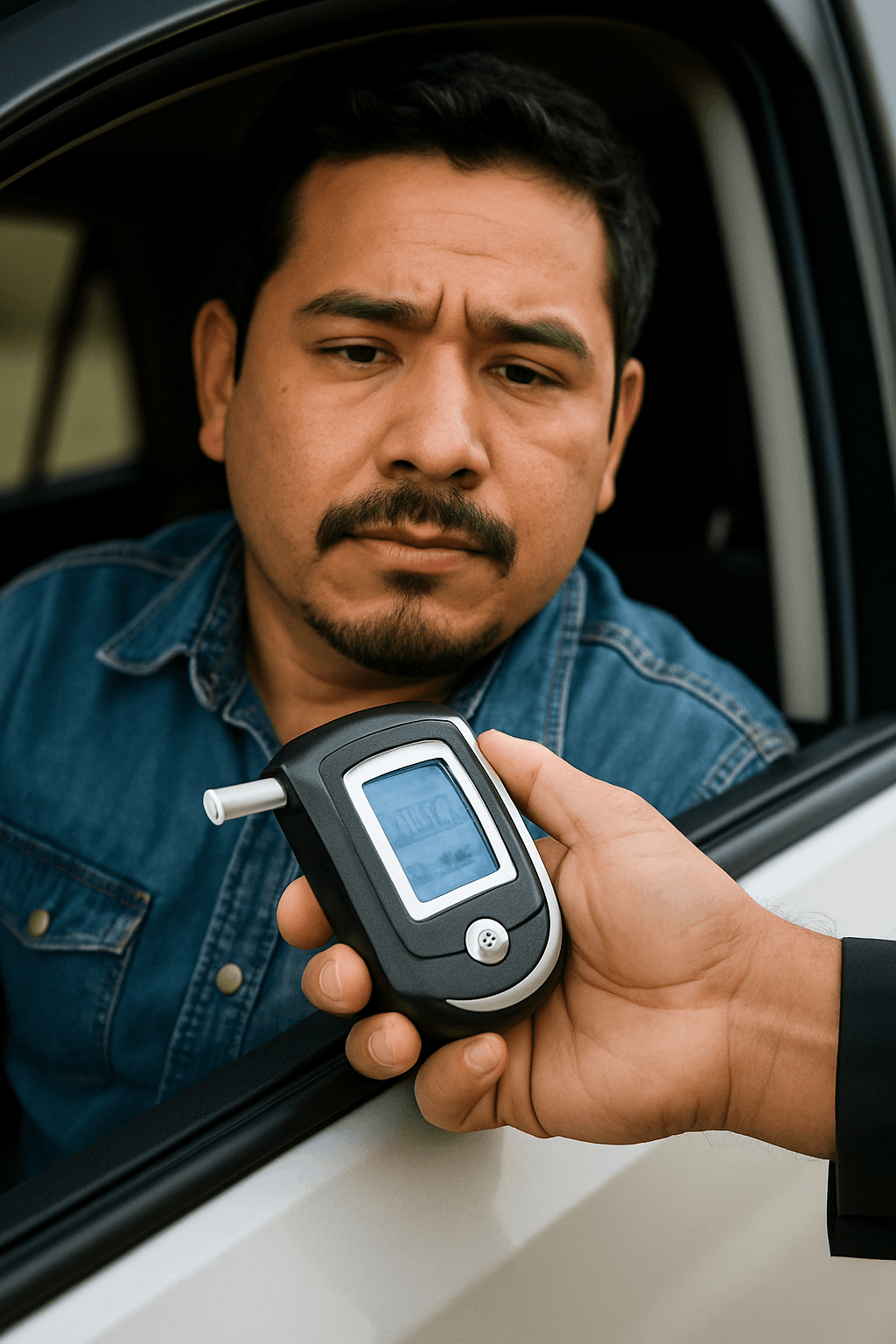
California Vehicle Code 23578 defines aggravated DUI as driving with a blood alcohol concentration of 0.15% or higher. This threshold is nearly double the standard legal limit of 0.08% and triggers enhanced penalties including mandatory jail time, extended license suspension, and a longer DUI education program.
The conviction carries a minimum 48-hour jail sentence for first offense (versus zero mandatory jail for standard DUI), 9-month DUI education program instead of 3 months, and 6-month license suspension instead of 4 months. Second offense with high BAC increases jail time to 96 hours minimum and extends suspension to 2 years.
California does not use the term "aggravated DUI" in statute — courts and DMV classify this as DUI with enhancement. The BAC level appears on your court records and DMV abstract, which every SR-22 carrier pulls when quoting your policy. Carriers price high-BAC DUIs 15-30% higher than standard DUI because actuarial data shows higher repeat-offense rates above 0.15% BAC.
How Long You Must File SR-22 After High BAC DUI
California requires 3-year SR-22 filing after any DUI conviction, regardless of BAC level. The state does not extend filing duration for high BAC the way some states extend it for repeat offenses. What changes is when your filing period starts.
Your SR-22 clock starts the day DMV reinstates your driving privilege, not your conviction date. If you were convicted January 15 but didn't complete your DUI education, pay reinstatement fees, and file SR-22 until August 20, your 3-year requirement runs until August 20 three years later. Most drivers lose 4-8 months between conviction and reinstatement because they didn't realize education completion was required before DMV processes reinstatement.
California DMV does not send a letter when your SR-22 period ends. You must calculate the end date yourself from your reinstatement notice. Drivers commonly call their carrier to cancel SR-22 too early because they counted from conviction date instead of reinstatement date. Canceling even one day early resets your clock to zero and triggers a new suspension.
Find out exactly how long SR-22 is required in your state
Why High BAC DUI Costs More to Insure with SR-22
High BAC DUI convictions increase insurance premiums 90-140% compared to your pre-DUI rate, versus 70-110% for standard DUI. Carriers assign high-BAC convictions to a worse underwriting tier because NAIC data shows drivers convicted above 0.15% BAC have a 22% higher second-offense rate within 5 years compared to drivers convicted between 0.08-0.14% BAC.
SR-22 filing itself adds $25-50 annually depending on carrier. The premium increase comes from the DUI conviction moving you into the non-standard insurance market where base rates are higher. A driver paying $110/mo before DUI typically pays $210-260/mo for SR-22 coverage after high-BAC conviction in California's urban markets.
Most mainstream carriers (State Farm, Geico, Allstate, Progressive) will file SR-22 for existing customers but non-renew your policy at the 6-month or 12-month term. High-BAC DUI typically requires the non-standard market immediately: Bristol West, Dairyland, GAINSCO, Acceptance, or Kemper. These carriers specialize in DUI convictions and price based on time since conviction, not BAC level, which means your rate drops significantly at the 3-year and 5-year marks post-conviction.
California DUI Education Requirements Before SR-22 Reinstatement
You cannot reinstate your license or start your SR-22 filing period until you complete court-ordered DUI education. High BAC DUI with 0.15-0.19% requires a 9-month program. BAC 0.20% or higher requires a 9-month program with additional sessions. First-offense standard DUI requires only 3 months, which is why high-BAC drivers typically add 6 months to their suspension timeline.
California recognizes only state-licensed DUI programs. You must enroll within 21 days of your conviction or DMV will extend your suspension. The program costs $600-900 depending on county, paid in installments. Missing two consecutive sessions triggers automatic program dismissal and you must re-enroll from the beginning, which resets your reinstatement eligibility.
Once you complete the program, the provider submits a completion certificate to DMV electronically. DMV processes reinstatement within 7-10 business days if you've also paid the $125 reissue fee and filed SR-22. Your SR-22 filing period begins the day DMV processes reinstatement, not the day you finished education or the day your carrier filed SR-22. Keep your reinstatement notice — it's the only document showing your SR-22 end date.
Ignition Interlock Device Requirements for High BAC DUI
California offers an Ignition Interlock Device (IID) restricted license as an alternative to serving your full suspension. High BAC first-offense DUI qualifies for a 6-month IID restriction instead of 6-month hard suspension. You can drive anywhere, anytime as long as the IID is installed and you're complying with monitoring requirements.
Choosing the IID path does not reduce your SR-22 filing requirement. You still file SR-22 for 3 years from the date DMV issues your IID-restricted license. The advantage is you can drive legally during suspension, which most DUI drivers need for work. The disadvantage is IID installation costs $70-150 and monthly monitoring costs $60-90, adding $500-750 annually to your DUI compliance costs on top of SR-22 insurance premiums.
If you violate IID requirements — tampering, failed breath test, or missed calibration appointment — DMV extends your IID period and may convert your restriction to a hard suspension. Your SR-22 requirement does not pause during violations. Carriers do not increase premiums for IID violations unless DMV suspends your license again, which triggers a new SR-22 filing for the suspension period.
What Happens If Your SR-22 Lapses During the Filing Period
Your carrier must notify California DMV within 15 days if your SR-22 policy cancels for non-payment or you request SR-22 removal. DMV suspends your license the day they receive the lapse notice, not the day your policy canceled. Most drivers discover the suspension when pulled over 2-4 weeks after their policy lapsed because they didn't realize the notice was in process.
A lapse suspension requires a new SR-22 filing and $55 reinstatement fee to clear. Your original 3-year SR-22 clock does not pause during the lapse — it resets to zero from the new reinstatement date. If you lapsed 2 years into your original 3-year requirement, you now owe 3 more years starting from when DMV reinstates you after the lapse, not 1 remaining year.
California allows same-day reinstatement after SR-22 lapse if you call a carrier, purchase a new policy with SR-22, and pay the $55 fee online through DMV. The suspension clears within 24 hours electronically. Waiting to reinstate adds no penalty beyond losing your ability to drive legally, but every day of suspension counts as a gap in your coverage history, which increases premiums when you finally reinstate.
Which Carriers Write SR-22 After High BAC DUI in California
Bristol West, Dairyland, GAINSCO, Acceptance, and Kemper write new policies for high-BAC DUI with SR-22 in California. These non-standard carriers do not differentiate premium by BAC level — they price based on time since conviction, violation count, and whether you completed DUI education. A driver 6 months post-conviction pays the same rate whether their BAC was 0.09% or 0.19%.
Progressive and Geico will file SR-22 for existing customers with high-BAC DUI but typically non-renew at the 6-month term. If you were insured with either carrier at the time of your DUI, stay with them through the first term because switching to non-standard immediately costs 20-35% more. Once they non-renew, you move to non-standard market at standard non-standard rates.
The General and Safe Auto also write high-BAC DUI but require down payments of 25-40% of the 6-month premium, which is higher than Bristol West or Dairyland's 15-20% down payment requirement. Rates across non-standard carriers vary by 30-50% for identical coverage, which is why comparison shopping saves $400-900 annually even within the high-risk market. Most drivers quote 4-5 non-standard carriers before choosing.