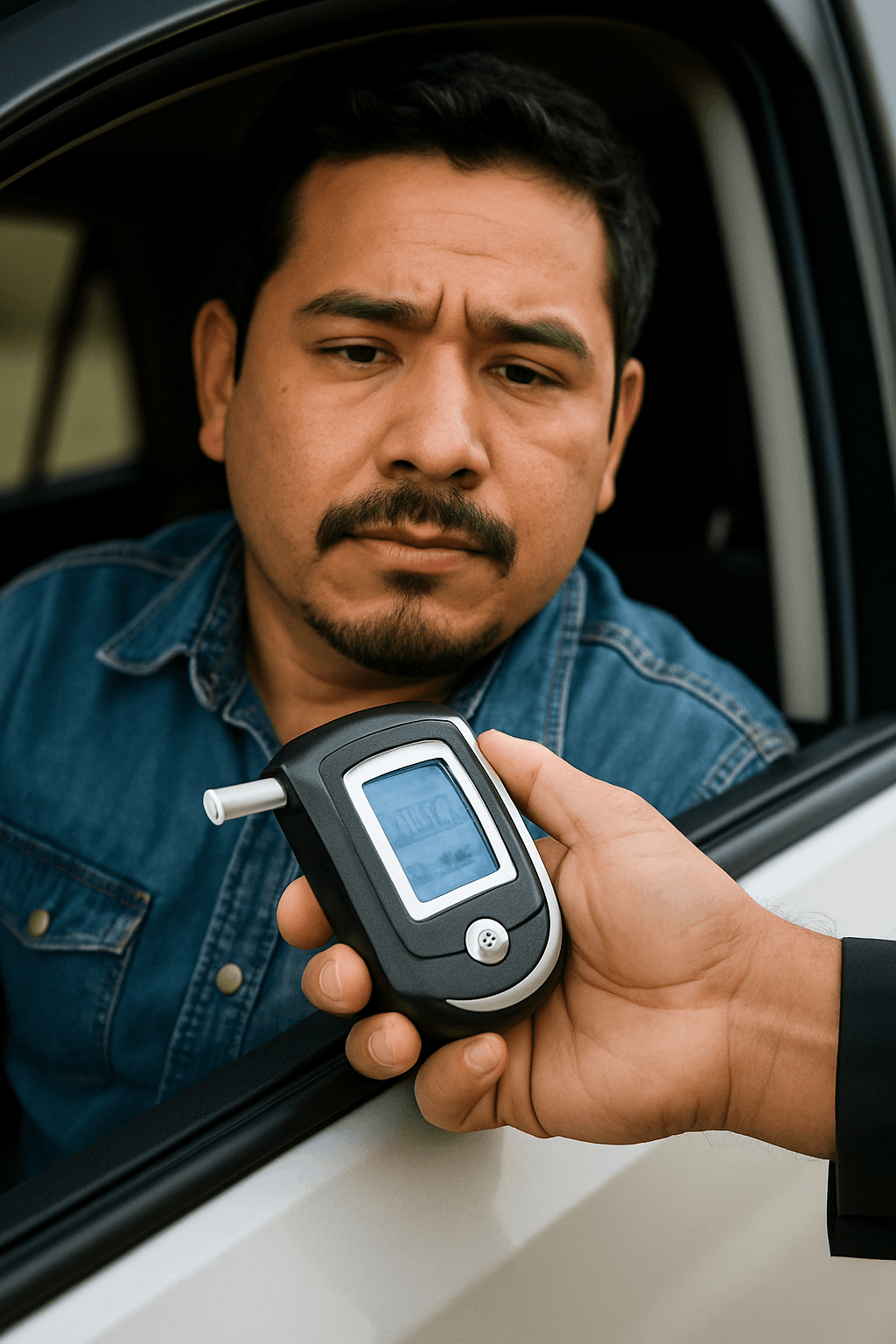
Arizona extends SR-22 filing from 2 years to 3 years for aggravated DUI convictions with BAC at or above 0.15%. That extra year applies even to first-offense convictions, and the clock starts from your reinstatement date, not your conviction date.
Arizona's High BAC Aggravated DUI Triggers a 3-Year SR-22 Filing Period
Arizona requires 3 years of SR-22 filing for aggravated DUI convictions under ARS 28-1383(A)(1), which includes any DUI with a BAC at or above 0.15%. Standard first-offense DUI convictions below 0.15% BAC carry a 2-year SR-22 requirement, but crossing that threshold adds an extra year to your filing obligation. The distinction matters because many drivers assume all first-offense DUIs follow the same timeline.
The 3-year period starts on your license reinstatement date, not your conviction date or arrest date. If your license was suspended for 90 days after conviction and you reinstated on day 91, your SR-22 clock begins that day. Arizona does not allow the filing period to run concurrently with your suspension — the requirement begins only after you regain driving privileges.
Aggravated DUI under ARS 28-1383 also applies to third DUI offenses within 84 months, DUI while license suspended, DUI with a minor under 15 in the vehicle, and DUI with an ignition interlock requirement already in place. Each of these scenarios carries the same 3-year SR-22 filing period, but high BAC is the most common trigger for first-time offenders who enter the aggravated category.
How High BAC Affects Your Insurance Costs After Conviction
Arizona carriers treat aggravated DUI with high BAC as a more severe underwriting risk than standard DUI. Rate increases after aggravated DUI typically range from 90% to 150% over your pre-conviction premium, compared to 70% to 110% for standard DUI. Non-standard carriers price the extra year of SR-22 filing into your premium, and that third year keeps you in the high-risk pool longer.
Most mainstream carriers — State Farm, Geico, Allstate, Progressive — will file SR-22 for existing policyholders but non-renew at the end of your current policy term after an aggravated DUI conviction. New policies after aggravated DUI generally require the non-standard market: Direct Auto, Dairyland, Bristol West, GAINSCO, and Kemper all write Arizona SR-22 policies for aggravated DUI convictions. Availability and pricing vary by ZIP code, and some carriers impose waiting periods of 90 to 180 days after conviction before issuing a new policy.
The 3-year filing period also means you'll pay the SR-22 filing fee three times instead of two. Arizona carriers charge between $15 and $50 per SR-22 filing, and most require annual renewal filings even if your policy term is six months. That filing fee appears each time your carrier submits proof of insurance to the Arizona MVD.
Find out exactly how long SR-22 is required in your state
Why the Filing Period Starts at Reinstatement, Not Conviction
Arizona calculates the SR-22 filing period from your license reinstatement date because the filing serves as proof of future financial responsibility, not a penalty for the conviction itself. Your license suspension period — typically 90 days for first-offense aggravated DUI with high BAC — runs separately from the SR-22 requirement. The MVD will not process your reinstatement application until you submit valid SR-22 proof, which means the filing period cannot begin until you've regained driving privileges.
This structure creates a common miscalculation. Drivers assume the 3-year clock starts at conviction or at the beginning of their suspension, then attempt to cancel SR-22 coverage too early. Canceling SR-22 before the full 3-year period elapses triggers an immediate license suspension, and reinstatement after an SR-22 lapse requires starting the entire 3-year filing period over from day one.
Arizona MVD sends a reinstatement eligibility letter approximately 30 days before your suspension ends, but that letter does not mean your SR-22 period has started. You must submit the SR-22 filing, pay the reinstatement fee, complete Traffic Survival School if required, and install an ignition interlock device if ordered before the MVD will process your reinstatement. Only after the MVD confirms reinstatement does your 3-year SR-22 clock begin.
What Happens If You Let Your SR-22 Lapse During the 3-Year Period
Arizona law requires continuous SR-22 coverage for the full 3-year period with no gaps longer than 30 days. If your SR-22 policy lapses or cancels, your carrier notifies the MVD electronically within 15 days, and the MVD suspends your license immediately. Reinstatement after an SR-22 lapse resets your 3-year filing clock to zero — you start the entire period over, not just the time remaining.
Lapse-related suspensions cost more to reinstate than the original conviction suspension. Arizona charges a $50 reinstatement fee for the initial aggravated DUI suspension, but lapse-based suspensions add a $10 SR-22 noncompliance fee on top of the base reinstatement fee. You also pay a new SR-22 filing fee to your carrier, and most non-standard carriers impose a lapse surcharge ranging from $75 to $200 if you reinstate coverage with the same company.
The 30-day grace period applies only to coverage lapses, not to carrier changes. You can switch carriers during your SR-22 period without penalty as long as the new carrier files SR-22 before the old policy cancels. The MVD system tracks continuous coverage by filing date, not by carrier, so back-to-back SR-22 filings from two different companies maintain compliance.
Ignition Interlock Requirements Stack on Top of SR-22 Filing
Arizona requires ignition interlock devices for all aggravated DUI convictions with BAC at or above 0.15%, and the interlock period runs concurrently with your SR-22 filing period but follows a different timeline. First-offense aggravated DUI with high BAC requires 12 months of interlock use, while the SR-22 filing extends 3 years. That means you'll complete your interlock requirement two years before your SR-22 obligation ends.
Your insurance carrier does not track your interlock compliance, but the MVD does. Failing to install the interlock within 30 days of reinstatement or tampering with the device triggers a new license suspension, and that suspension extends your SR-22 filing period because the SR-22 clock pauses during any suspension. Every day your license is suspended for interlock noncompliance adds a day to the back end of your 3-year SR-22 requirement.
Some carriers offer slight premium reductions after you complete your interlock period, typically 5% to 10%, because the device signals reduced recidivism risk. That discount applies during the final two years of your SR-22 filing, but you remain in the high-risk insurance pool until the full 3-year SR-22 period ends and you file for standard coverage.
How to Track Your SR-22 End Date and Avoid Filing Too Long
Arizona MVD does not send a notice when your SR-22 filing period ends. You are responsible for tracking the 3-year anniversary of your reinstatement date and notifying your carrier that you no longer need SR-22 coverage. Most drivers overcalculate and file SR-22 for 4 or 5 years because they count from the wrong start date or assume the MVD will notify them when the requirement expires.
Request a driver record abstract from the Arizona MVD 60 days before you believe your SR-22 period ends. The abstract shows your reinstatement date and any compliance flags still active on your record. If the SR-22 requirement has cleared, you can request standard coverage from your carrier. If the flag remains active, contact the MVD to confirm the exact end date before canceling SR-22 coverage.
Once your 3-year period ends and the MVD clears the SR-22 flag, request quotes from both your current non-standard carrier and mainstream carriers. Rates drop an average of 30% to 50% when you transition from SR-22 to standard coverage, and mainstream carriers that declined you immediately after conviction will often write you a new policy three years post-reinstatement if you maintained continuous coverage with no additional violations.